

 미리보기
미리보기
 프린트 구매
 공유하기
공유하기 공유하기
공유하기
 상세 정보
상세 정보

 다운로드
다운로드
 유사 작품
유사 작품 X-레이
X-레이 슬라이드 쇼
Annunciation (8)
 Acrylic On Canvas
- WallArt
- Renaissance Early
 1437
1437 64.0 x 23.0 cm
 프릭 컬렉션
 더 보기
더 보기




P118B $10

P118H $10

P118W $10

P438Z $10

P508JH $12

P508YH $12

P805H $10

P805Z $10

P919BZ $10

P919G $10

P919XJ $10

P959ZH $10

P968JZ $12

W106C $8

W218G $10

W218JH $8

W218Y $10

W307PJ $10

W316G $10

W316PJ $8

W316Y $10

W398PJ $8

W4111J $10

W500HY $15

W500JH $15

W692G $12

W849H $8

W940BG $15

W953PJ $8




작품의 원본 비율을 유지하는 미리 설정된 크기 중에서 선택하세요.

특정 프레임이나 공간에 맞도록 직접 크기를 입력할 수 있습니다. 선택하신 크기가 원본 이미지의 비율과 일치하지 않는 경우, 작품을 자르거나 추가적인 손으로 그린 요소를 사용하여 그림을 확장합니다. 제작 시작 전 승인을 위해 디지털 목업을 보내드립니다.
화면 미리 보기는 실제 자르기 또는 확장을 반영하지 않습니다. 최종 구성은 목업을 통해서만 정확하게 확인하실 수 있습니다.
맞춤 크기 제작도 가능하지만, 원본 비율을 유지하기 위해 사전 정의된 목록에서 크기를 선택하시는 것을 권장합니다.
주문 후 OriginalUniqueArt.com 팀에서 상세 안내를 위해 고객님께 이메일을 보내드리며, 미리보기 시안을 제공해 드립니다.


 유리 옵션은 110cm 미만 크기에서만 선택 가능합니다.

Annunciation (8)
재현 기법
복제본 크기
-


최종 결제 금액
$ 300
작품 상세 설명
Filippo Lippi’s Annunciation: A Renaissance Revelation
The Annunciation, painted by Filippo Lippi around 1449-1459, is more than just a depiction of a pivotal biblical moment; it's a window into the burgeoning artistic and spiritual landscape of early Renaissance Florence. This tempera on panel masterpiece, now residing in the National Gallery in London, pulsates with a quiet intensity—a testament to Lippi’s unique approach to religious painting and his deeply personal vision. Initially conceived as part of a larger altarpiece intended for the chapel of the Medici palace in Prato, it retains an exquisite intimacy and emotional resonance that transcends its origins.
Lippi's artistic journey is inextricably linked to the legacy of Masaccio, whose innovative use of perspective and naturalism profoundly influenced his early work. The painting immediately echoes this influence—particularly in the subtly modeled forms of Mary and Gabriel, rendered with a delicate realism that was revolutionary for its time. However, Lippi swiftly developed his own distinctive style, characterized by a luminous palette, graceful figures, and an emphasis on serene contemplation. Unlike many of his contemporaries who favored dramatic gestures and elaborate compositions, Lippi’s Annunciation unfolds with a measured elegance, inviting the viewer to share in the quiet miracle unfolding before them.
A Symphony of Light and Color
The painting's visual impact is immediately striking due to Lippi’s masterful manipulation of light. He employs a technique known as “sfumato,” blurring the edges of forms and creating an atmospheric haze that softens the scene and imbues it with a sense of ethereal beauty. The colors are rich and harmonious—a blend of deep blues, vibrant reds, and delicate golds—that evoke both the sacredness of the event and the warmth of human emotion. Note particularly the luminous glow surrounding Mary’s face, suggesting her receptivity to divine grace. The background is rendered with a subtle depth, creating an illusion of space that draws the viewer into the intimate setting.
Lippi's use of gold leaf—particularly in the depiction of the dove and the halo around Mary—adds further luminosity and emphasizes the spiritual significance of the scene. The careful layering of paint creates a remarkable sense of texture, inviting close inspection and revealing the artist’s meticulous attention to detail. The composition itself is carefully balanced, with Gabriel positioned slightly off-center, drawing the eye towards Mary and the central moment of revelation.
Symbolism and Spiritual Depth
Beyond its technical brilliance, the Annunciation is rich in symbolic meaning. The dove, representing the Holy Spirit, descends from heaven to announce Mary’s impending motherhood—a pivotal event in Christian theology. Gabriel's gesture of presenting the lily—a symbol of purity and innocence—underscores Mary’s virtue. The architectural setting, though simplified, suggests a domestic space—emphasizing the personal nature of this divine encounter. The inclusion of God’s hand at the top of the lunette is a subtle but powerful reminder of his active role in the unfolding drama.
Lippi's decision to depict Mary not as a passive recipient of grace, but as an intelligent and receptive figure—her face filled with wonder and contemplation—is particularly noteworthy. This portrayal reflects a shift in Renaissance art towards a more humanistic understanding of religious subjects, emphasizing the emotional and spiritual experience of faith. The painting speaks to the profound mystery of divine intervention and the transformative power of belief.
A Legacy of Beauty and Innovation
The Annunciation stands as a cornerstone of Lippi’s oeuvre and a significant work within the broader context of Renaissance art. Its influence can be seen in the works of subsequent generations of painters, who continued to draw inspiration from its luminous palette, graceful figures, and profound emotional depth. Today, it remains a captivating masterpiece—a testament to Filippo Lippi's artistic genius and his enduring contribution to the history of Western art. Reproductions capture only a fraction of the original’s power; experiencing this painting in person is an unforgettable encounter with beauty, spirituality, and the transformative spirit of the Renaissance.
작가 약력
피렌체의 반항아: 필리포 리피의 삶과 예술
필리포 디 토마소 리피, 혹은 프라 필리포 리피는 천재적인 예술적 재능과 스캔들과 파격으로 점철된 삶을 살았던 인물이다. 1406년 피렌체에서 도축업자 가정에 태어난 그는 어린 시절 불행한 운명을 맞이했다. 두 살 때 고아가 되어 이모 모나 라파치아의 보호를 받게 되었고, 여덟 살이라는 어린 나이에 카르멜 수도원에 들어가게 되었다. 이 결정은 그의 예술적 발전에 지대한 영향을 미쳤을 뿐만 아니라 그의 복잡한 성격을 형성하는 데 중요한 역할을 했다. 수도원 벽 안에서 필리포는 정식 교육을 시작했고, 무엇보다도 그림에 대한 열정을 발견했다. 이러한 환경의 영향은 그의 작품 곳곳에 나타난다. 영적인 헌신과 점점 더 인간주의적인 감각 사이의 섬세한 균형이 느껴지는 것이다.종교적 서약에서 예술 혁신으로
1420년 카르멜 수도원에 들어선 것은 단순한 우연이 아니라, 필리포 안에서 강렬한 예술적 열망을 불러일으킨 듯하다. 그는 16세에 서약을 하고 1425년경 사제가 되었으며, 1432년까지 수도원에 머물렀다. 이 시기에 미술사가 조르조 바사리는 필리포가 브란카치 예배당의 마사초의 혁신적인 프레스코화를 보고 매료되었다고 전한다. 마사초의 사실주의와 빛의 혁신적인 사용은 그의 초기 작품, 예를 들어 <타르퀴니아의 성모자>에서 분명하게 드러난다. 그러나 필리포는 단순히 모방하는 데 그치지 않았다. 그는 서정적 우아함, 섬세한 색채, 미묘한 감정 깊이를 특징으로 하는 자신만의 독특한 스타일을 빠르게 발전시켰다. 종교적인 장면들에 친밀감과 인간적인 연결을 불어넣으며, 이전 시대의 엄격한 형식에서 벗어나기 시작했다.구성의 대가이자 논란의 중심
필리포 리피의 예술적 경력은 피렌체에서 번성했으며, 메디치 가문과 같은 저명한 가족들로부터 의뢰를 받았다. <수태고지 및 일곱 성인>과 같은 작품들은 상징적인 의미와 우아한 디테일로 가득 찬 복잡한 구성을 창조하는 그의 능력을 보여준다. 1441년에 산탐브로지오 수녀원을 위해 완성된 <성모 마리아의 대관식>은 특히 주목할 만하다. 이 작품에는 필리포 자신이라고 믿어지는 인물이 등장하는데, 종교적인 맥락 안에서 예술적 정체성을 과감하게 주장한 것으로 해석된다. 그러나 그의 삶은 평온하지 않았다. 그는 자주 재정적인 어려움, 법적 분쟁, 위조 혐의에 휘말렸다. 아마도 가장 충격적인 사건은 프라토의 수녀 루크레치아 부티를 납치하여 몇 년간의 스캔들과 논란 끝에 결혼했다는 것이다. 이 행위는 당시로서는 충격적이었지만, 필리포의 반항적인 기질과 사회 규범을 무시하고 개인적인 행복을 추구하려는 의지를 보여준다.유산과 영향
불안정한 삶에도 불구하고 필리포 리피는 르네상스 예술에 지울 수 없는 흔적을 남겼다. 그는 매우 인기가 높은 화가였으며, 그의 작업장은 미래의 거장들을 양성하는 요람이 되었다. 그의 가장 뛰어난 제자 중에는 산드로 보티첼리와 프란체스코 디 페셀로(페셀리노)가 있었는데, 이들은 모두 자신만의 명성을 얻었다. 리피의 영향은 늦은 콰트로첸토 시대 피렌체 그림에서 느껴지는 서정적인 아름다움과 감정 표현에 나타난다. 그는 마사초의 초기 르네상스 사실주의와 고르네상스의 정교한 미학 사이의 간극을 메우면서, 새로운 세대의 예술가들이 인간 형태와 감정을 탐구할 수 있는 길을 열었다. 종교적인 경건함과 현실주의를 결합하고 혁신적인 구성과 뛰어난 기법을 통해 그는 이탈리아 르네상스에서 가장 중요하고 매혹적인 인물 중 한 명으로 자리매김했다. 그는 1469년 스폴레토에서 세상을 떠났지만, 그의 유산은 수세기 동안 경외와 감탄을 불러일으키며 남아있다. <그의 예술은 인간 창조성의 힘과 아름다움의 지속적인 매력을 증명한다.>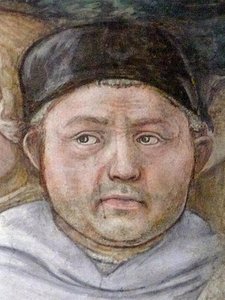
필리포 리피
1406 - 1469 , 이탈리아
주요 정보
- Artistic Movement Or Style: 초기 르네상스
- Artists Or Movements Influenced By This Artist: ['산드로 보티첼리']
- Artists Who Influenced This Artist: ['마사초']
- Date Of Birth: 1406년
- Date Of Death: 1469년
- Full Name: 필리포 디 토마소 리피
- Nationality: 이탈리아인
- Notable Artworks (List Of Titles):
- 타르퀴니아의 성모자
- 수태고지
- 성모대관
- Place Of Birth (City And Country): 이탈리아 피렌체
관련 기사 더 보기

가족 유산의 벽화: 대를 잇는 예술적 전통과 기억의 보존
가족 유산의 벽화에 담긴 예술적 전통과 기억 보존의 의미를 탐구합니다. 프레스코 기법의 역사, 제작 과정, 복원 노력을 심층 분석하고 현대적인 응용 가능성을 제시합니다. 전문가의 시각으로 고품격 미술 정보를 제공합니다.

Celestial Messengers: Angels in Painting – A Historical & Artistic Exploration
Explore the captivating history of angels in painting! Discover symbolism, iconic Renaissance & Byzantine masterpieces, and renowned artists. Expert insights for art lovers & collectors at OriginalUniqueArt.

The Enduring Legacy of Fresco: Technique, History & Artistic Expression Across Cultures
Explore the rich history & enduring legacy of fresco painting! Discover ancient techniques, Giotto's masterpieces, and modern applications. Expert insights for art lovers & professionals.
The Enduring Legacy of Fresco Painting: Techniques, History & Contemporary Relevance
Explore the rich history & enduring artistry of fresco painting – from Giotto to Michelangelo! Discover techniques, conservation efforts, & modern applications. Learn how OriginalUniqueArt brings this timeless art form to your home.

Celestial Messengers: A Comprehensive Exploration of Angelic Representation in Art History
Explore the captivating history of angels in art! Discover symbolism, iconic Renaissance masterpieces & renowned artists. Expert insights for art lovers & collectors at OriginalUniqueArt.



