
 미리보기
미리보기
 공유하기
공유하기 공유하기
공유하기
 상세 정보
상세 정보 가이드 보기

 다운로드
다운로드
 유사 작품 더 보기
 X-레이
X-레이 슬라이드 쇼 보기
 질의응답
질의응답 통계 정보
통계 정보The Outing in the country


 더 보기
더 보기
지클레 / 아트 프린트
빠른 제작과 다양한 마감 옵션을 제공하는 박물관 수준의 지클레이 및 캔버스 프린트. ( 수작업 채색 복제본 주문하기 디지털 이미지로 전환)




P118B ₩10

P118H ₩10

P118W ₩10

P438Z ₩10

P508JH ₩12

P508YH ₩12

P805H ₩10

P805Z ₩10

P919BZ ₩10

P919G ₩10

P919XJ ₩10

P959ZH ₩10

P968JZ ₩12

W106C ₩8

W218G ₩10

W218JH ₩8

W218Y ₩10

W307PJ ₩10

W316G ₩10

W316PJ ₩8

W316Y ₩10

W398PJ ₩8

W4111J ₩10

W500HY ₩15

W500JH ₩15

W692G ₩12

W849H ₩8

W940BG ₩15

W953PJ ₩8




작품의 원본 비율을 그대로 유지하는 프리셋 사이즈 중에서 선택해 보세요.

액자나 벽면 크기에 맞춰 필요한 가로와 세로 길이를 입력해 주세요. 프린트는 원본 이미지보다 크게 제작할 수 없으며 오직 자르는 것만 가능하므로, 비율이 다른 사이즈를 선택할 경우 이미지의 일부가 잘려 나갈 수 있습니다. 인쇄 작업에 들어가기 전, 최종 확인을 위해 디지털 목업을 보내드립니다. 이 페이지에 표시된 이미지는 실제 잘리는 영역을 나타내지 않으며, 오직 목업을 통해서만 정확한 확인이 가능합니다.


 유리 옵션은 110cm 미만 크기에서만 선택 가능합니다.

The Outing in the country
지클레 / 아트 프린트
복제본 크기
-


최종 결제 금액
₩ 108730
Fernand Léger’s “The Outing in the Country”: A Celebration of Modern Leisure
Fernand Léger's "The Outing in the Country," painted in 1954, isn’t merely a depiction of a picnic; it’s a vibrant manifesto for a new kind of modern life. This captivating work, rendered in Léger’s signature “Tubism,” explodes with color and energy, capturing a moment of communal joy amidst a stylized landscape. It's a piece that speaks to the burgeoning optimism of post-war Europe, reflecting a desire to embrace progress while retaining a sense of playful spontaneity. Léger, deeply influenced by the machine age – he’d spent time observing factories and locomotives – sought to integrate its dynamic forms into his art, eschewing traditional representational techniques in favor of simplified geometric shapes and bold, primary colors.
The scene unfolds with remarkable immediacy. A group of figures, rendered in a deliberately rough and unpolished manner, are engaged in various activities: some reclining on chairs, others playing games, while a few seem to be simply enjoying the company of one another. Notice how Léger avoids detailed facial features, opting instead for blocky, almost sculptural representations of the individuals. This simplification wasn’t an attempt at abstraction, but rather a way of conveying the essence of the figures – their presence and their interaction – without getting bogged down in fussy detail. The background, too, is treated with similar disregard for naturalism; trees are depicted as simplified cylinders, and clouds morph into geometric shapes, mirroring Léger's fascination with industrial forms.
Tubism: A Revolutionary Approach to Form
Léger’s “Tubism,” a term he himself coined, represents a pivotal moment in 20th-century art. It emerged as a reaction against the perceived limitations of traditional representation and sought to capture the dynamism and efficiency of modern life. The core principle of Tubism is the reduction of objects and figures to their essential geometric forms – cylinders, cones, spheres, and cubes – arranged in a rhythmic, almost mechanical composition. This approach wasn’t about creating purely abstract art; Léger aimed to represent reality through simplified shapes that conveyed movement, energy, and the underlying structure of the world around him.
The influence of industrial design is palpable throughout “The Outing in the Country.” The figures themselves seem almost like mechanical components, arranged within a carefully constructed tableau. This deliberate juxtaposition of human form and machine-like geometry reflects Léger’s belief that art could not only reflect but also shape our understanding of the modern world. The use of bold black outlines further emphasizes this sense of geometric precision, creating a striking visual impact.
Symbolism and Emotional Resonance
Beyond its formal innovations, “The Outing in the Country” is rich with symbolic meaning. The presence of two clocks – one at the top left corner and another on the right side – subtly underscores the passage of time and the fleeting nature of leisure. The boat in the center of the scene could represent escape, adventure, or simply a connection to the natural world—a vital counterpoint to the increasingly mechanized aspects of modern life. The overall atmosphere is one of relaxed conviviality, suggesting a desire for respite from the pressures of urban existence.
Despite its stylized and simplified forms, “The Outing in the Country” evokes a powerful sense of emotional warmth. It’s not simply a record of a picnic; it's an invitation to participate in a shared moment of joy and connection. Léger masterfully captures the spirit of communal leisure—a fundamental human need that he sought to celebrate through his distinctive artistic vision. Reproductions of this work offer a beautiful glimpse into a pivotal era of artistic experimentation and a reminder of the enduring appeal of simple pleasures.
Bringing “The Outing in the Country” Home
OriginalUniqueArt offers meticulously crafted, hand-painted reproductions of Fernand Léger’s "The Outing in the Country," allowing you to bring this iconic artwork into your home or office. Our skilled artists faithfully recreate Léger's bold colors and distinctive geometric style, ensuring that every detail is captured with exceptional accuracy. Whether you are an art collector, interior designer, or simply someone who appreciates beautiful art, a OriginalUniqueArt reproduction of “The Outing in the Country” will add a touch of modern elegance and artistic flair to any space.
질의응답
페르난 레제의 "The Outing in the country"에는 어떤 색상 팔레트가 사용되었나요?
페르난 레제의 "The Outing in the country"은(는) Dark 색조의 팔레트를 사용합니다. 이 팔레트는 작품 전체의 색채적 특징을 집약적으로 보여줍니다.
The Outing in the country은(는) 페르난 레제의 예술적 여정 중 어느 시기의 작품인가요?
"The Outing in the country"은(는) 페르난 레제의 예술적 생애 중 Tubist Period 시기의 작품입니다. 이 분류를 통해 해당 작품을 작가의 예술적 발전 과정과 연결해 볼 수 있습니다.
"The Outing in the country"이(가) 페르난 레제의 가장 인기 있는 작품 중 하나인가요?
"The Outing in the country"은(는) Recognized 등급의 작품입니다.
작가 정보
르네상스에서 기계의 시대로: 페르낭 레제의 삶과 예술
페르낭 레제는 1881년 노르망디의 아쟁탕에서 태어났으며, 그의 이름은 20세기 미술사의 중요한 전환점을 상징합니다. 농부의 아들로 태어나 건축을 공부했지만, 결국 회화에 전념하며 현대 미술의 새로운 지평을 열었습니다. 레제의 삶은 자연과 산업, 유기체와 기계 사이의 끊임없는 긴장 속에서 펼쳐졌으며, 그의 예술은 이러한 긴장을 시각적으로 표현하고 조화시키려는 노력의 결과였습니다. 초기에는 전통적인 회화 교육을 받았지만, 폴 세잔의 작품을 접한 이후 그의 예술적 여정은 완전히 새로운 방향으로 나아갔습니다. 세잔의 형태 분석과 구조에 대한 탐구는 레제에게 기존의 재현 방식에서 벗어나 자신만의 독특한 시각 언어를 구축하도록 영감을 주었습니다.입방주의를 넘어선 ‘튜브즘’의 탄생
레제는 입방주의 운동에 참여했지만, 피카소나 브라크의 스타일을 단순히 모방하는 데 그치지 않았습니다. 그는 자신만의 독특한 표현 방식을 발전시켜 “튜브즘(Tubism)”이라는 새로운 용어를 낳았습니다. 튜브즘은 원통형 형태, 평면적인 비행기, 대담한 색상 대비를 특징으로 하며, 기계의 미학을 예견하는 듯한 강렬함을 지닙니다. 레제의 작품 속에서 우리는 단순화된 인물과 기하학적 형태들이 조화를 이루며 현대 사회의 역동성을 표현하고 있습니다. 1909년 몽파르나스로 이주하여 알렉산드르 아르치펜코, 자크 리피츠, 샤임 수틴 등 당대 최고의 예술가들과 교류하며 그의 예술적 실험은 더욱 가속화되었습니다. 특히 ‘황금 비율(Section d’Or)’ 그룹에 참여하면서 수학적 원리를 활용한 작품들을 선보이며 입방주의의 새로운 가능성을 탐구했습니다.전쟁과 기계 문명, 그리고 새로운 미학
제1차 세계 대전은 레제의 삶과 예술에 깊은 영향을 미쳤습니다. 전장에서 경험한 참혹함은 그에게 전쟁이라는 현실을 직시하게 했으며, 동시에 기계 문명의 힘과 효율성에 대한 그의 관심을 더욱 증폭시켰습니다. 군 복무 중 스케치한 작품들은 파괴의 도구인 군사 기술을 예술적 대상으로 승화시키는 듯한 인상을 줍니다. 전후 시대에 레제는 산업 사회의 역동성을 반영하는 작품들을 제작하며, 기계적인 요소와 유기적인 형태를 결합하여 독특한 시각적 조화를 이루어냈습니다. *살롱에서 만난 여인들*과 같은 작품들은 단순화된 인물들과 간결한 배경이 어우러져 현대 도시의 활력을 생생하게 전달합니다.팝 아트의 선구자, 그리고 유산
레제의 예술은 2차 세계 대전 이후 더욱 추상적인 경향을 보이며 색채와 형태의 투명성을 강조했습니다. 그의 작품들은 기계 문명의 아름다움을 찬양하는 동시에 인간 존재의 의미를 탐구하는 듯한 깊이를 지닙니다. 레제는 회화뿐만 아니라 조각, 영화 등 다양한 매체를 통해 자신의 예술적 비전을 확장했으며, 이는 후대 예술가들에게 큰 영향을 미쳤습니다. 특히 그의 작품은 팝 아트 운동의 등장에 중요한 토대를 마련했습니다. 로이 리히텐슈타인이나 앤디 워홀과 같은 예술가들은 레제의 대담한 형태 단순화와 산업 이미지 활용 방식에서 영감을 얻어 자신들의 독창적인 스타일을 구축했습니다. 오늘날 페르낭 레제의 작품은 전 세계 주요 미술관에 소장되어 있으며, 그의 유산은 현대 미술의 중요한 한 페이지를 장식하고 있습니다. 그는 기계 문명의 시대를 예술적으로 해석하고 표현한 선구자로서, 끊임없이 변화하는 시대 속에서 인간과 기술의 관계를 탐구하는 예술가들의 영원한 스승으로 기억될 것입니다. 그의 작품은 단순한 그림이 아닌, 현대 사회에 대한 깊은 성찰이자 미래를 향한 긍정적인 시각을 담고 있습니다.
페르난 레제
1881 - 1955 , 프랑스
작가 정보 요약
- 국적: 프랑스
- 사망일: 1955년 8월 17일
- 영향을 받은 예술 사조: ['팝 아트']
- 영향을 준 예술가: ['폴 세잔']
- 예술 사조: 입체주의, 튜브즘
- 전체 이름: 페르난 레제
- 주요 작품:
- 시티드 우먼
- 머신 엘리먼트
- 그레이트 퍼레이드
- 더 시티
- 출생일: 1881년 2월 4일
- 출생지: 아쟁탕, 프랑스
관련 콘텐츠

Modern Geometry & Machine Age Beauty: A Collector's Guide to the Cubist Vision of Fernand Léger
Explore the profound geometric mastery of Fernand Léger. Discover how his 'Tubism' and Machine Age aesthetics redefined modern art, offering timeless inspiration for discerning collectors seeking to integrate Cubist dynamism into sophisticated contemporary interiors.
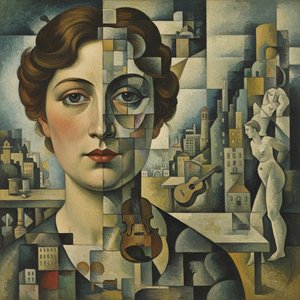
Deconstructing Reality: Cubism's Revolutionary Impact on 20th-Century Art
Explore the revolutionary world of Cubism with OriginalUniqueArt. Discover Picasso & Braque's groundbreaking techniques, its philosophical roots, and lasting impact on modern art. Expert insights for collectors.

Modern Geometry & Machine Age Beauty: A Collector's Guide to the Cubist Vision of Fernand Léger
Explore the vibrant world of Fernand Léger. Discover how his 'Tubism' and Machine Age aesthetics redefined modern art, offering profound inspiration for discerning collectors seeking geometric beauty and industrial dynamism.
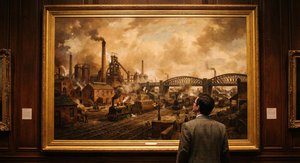
Industrial Revolution on Canvas: 10 Artworks That Define a Modern Aesthetic
Explore 10 iconic artworks capturing the Industrial Revolution’s grit & beauty. From Monet to Manet, discover realism, impressionism & powerful scenes of urban life. Find museum-quality reproductions for your home at OriginalUniqueArt.com.

페르낭 레제 최고 걸작 25선: 현대 미술의 거장을 만나다 | OriginalUniqueArt
페르낭 레제의 최고 걸작 25선을 만나보세요. 큐비즘, 추상 미술의 거장이 그린 명작들의 탄생 비화와 예술적 의미를 탐구합니다. OriginalUniqueArt에서 고품질 아트 프린트와 인테리어 액자로 공간에 예술을 더하세요. 지금 바로 컬렉션을 확인하세요!


