프린트 판매로 전환
 더 보기
더 보기







































 가로 또는 세로 중 어느 한 면이라도 105cm(약 41인치)를 초과하는 작품이나 복제화의 경우, 프레임은 분해된 키트 형태로 배송됩니다. 이는 안전한 배송을 보장하고 운송 중 발생할 수 있는 손상을 방지하기 위함입니다.


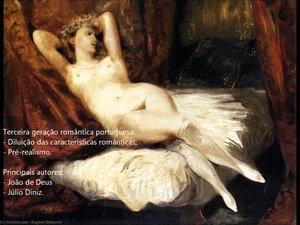
Delacroix's *Odalisque*: A Window into Romantic Exoticism
Eugène Delacroix’s *Odalisque*, completed in 1857, is more than simply a portrait; it’s an immersive experience, a carefully constructed tableau that transports the viewer to the opulent and enigmatic world of the Ottoman harem. Measuring a modest 35 x 30 cm, this oil on canvas radiates a quiet intensity, a testament to Delacroix's mastery of color and his profound understanding of human emotion. The painting’s enduring appeal lies not just in its technical brilliance but also in its potent symbolism – a visual embodiment of the Romantic fascination with the ‘other,’ specifically the alluring mystery of the East.
- A Masterclass in Romantic Technique: Delacroix, deeply influenced by Rubens and the Venetian Renaissance, employed loose brushstrokes and vibrant color to evoke movement and atmosphere. Notice how he doesn’t meticulously render every detail; instead, he uses broad washes of pigment to suggest form and texture, creating a sense of immediacy and dynamism.
- The Allure of the Odalisque: The term “odalisque” itself – a female attendant or concubine in an Ottoman harem – carries connotations of exotic beauty, sensuality, and veiled secrets. Delacroix’s subject is presented with a languid grace, her pose inviting contemplation and fueling the viewer's imagination about her story.
Color and Light: The Language of Emotion
Delacroix’s palette in *Odalisque* is dominated by warm, sensual tones – rich golds, deep blues, and subtle pinks – that contribute significantly to the painting’s emotional impact. He skillfully manipulates light to create a sense of depth and volume, bathing the subject in a soft, diffused glow. The play of light on her skin isn't merely descriptive; it’s deliberately employed to evoke feelings of tranquility, vulnerability, and perhaps even a hint of melancholy. This careful orchestration of color and light is characteristic of Delacroix’s Romantic approach, prioritizing emotional expression over strict realism.
Historical Context and Symbolism
Painted during a period of intense social and political change in France – the July Revolution of 1830 had just taken place – *Odalisque* reflects the broader Romantic movement's rejection of classical restraint. Delacroix’s interest in Orientalism was not simply aesthetic; it represented a desire to escape the confines of European society and explore new worlds, both real and imagined. The harem itself became a potent symbol of forbidden desires and exotic allure, frequently depicted in Western art as a space of sensual indulgence and hidden power.
A Timeless Masterpiece – Recreated for Today
*Odalisque* remains one of Delacroix’s most celebrated works, admired for its beauty, its emotional depth, and its historical significance. OriginalUniqueArt offers meticulously crafted hand-painted reproductions that capture the essence of this iconic painting, allowing you to bring a piece of art history into your home or office. Each reproduction is created using archival quality materials, ensuring lasting vibrancy and authenticity.
질의응답
외젠 들라크루아의 "Odalisque"은 미술사에서 어떤 위치를 차지하고 있나요?
역사적으로 "Odalisque"은(는) 더 넓은 의미의 19th Century 시대에 속하는 Romantic Movement 양식의 작품입니다.
외젠 들라크루아의 "Odalisque"의 저작권 상태는 어떻게 되나요?
"Odalisque"의 저작권 상태(퍼블릭 도메인 - 저작권 보호 기간이 만료되었습니다)는 작가의 1863년 사망 시점을 기준으로 결정됩니다.
외젠 들라크루아의 "Odalisque"의 엑스레이(X-ray) 이미지를 확인할 수 있을까요?
외젠 들라크루아의 "Odalisque"의 X선 분석 페이지는 엑스레이 스타일의 뷰를 포함하여 작품 이미지의 11개 광학 레이어를 슬라이드하며 살펴볼 수 있는 인터랙티브 뷰어를 제공합니다.
이 작품에 대해 더 알아보기
 미리보기
미리보기
 공유하기
공유하기 공유하기
공유하기
 상세 정보
상세 정보 가이드 보기

 다운로드
다운로드
 유사 작품 더 보기
 X-레이
X-레이 슬라이드 쇼 보기
 질의응답
질의응답 통계 정보
통계 정보