실제 크기로 보기
 보내기
보내기 공유하기
공유하기
 상세 보기
상세 보기 가이드 보기

 이미지 다운로드
 유사 작품 더 보기
 X-레이
X-레이 슬라이드 쇼 보기
 통계 정보
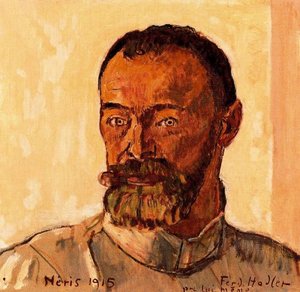
통계 정보Study of
 Acrylic On Canvas
- WallArt
- Symbolic Expressionism
 1912
1912 25.0 x 29.0 cm
 보스니아 헤르체고비나 국립 미술관
 상세 보기
상세 보기
지클레 / 아트 프린트
빠른 제작과 다양한 마감 옵션을 선택할 수 있는 박물관 수준의 지클레이 및 캔버스 프린트. ( 수작업 채색 복제본 주문하기 디지털 이미지 판매 채널로 전환)




P118B ₩10

P118H ₩10

P118W ₩10

P438Z ₩10

P508JH ₩12

P508YH ₩12

P805H ₩10

P805Z ₩10

P919BZ ₩10

P919G ₩10

P919XJ ₩10

P959ZH ₩10

P968JZ ₩12

W106C ₩8

W218G ₩10

W218JH ₩8

W218Y ₩10

W307PJ ₩10

W316G ₩10

W316PJ ₩8

W316Y ₩10

W398PJ ₩8

W4111J ₩10

W500HY ₩15

W500JH ₩15

W692G ₩12

W849H ₩8

W940BG ₩15

W953PJ ₩8




작품의 원본 비율을 그대로 유지하는 프리셋 사이즈 중에서 선택해 보세요.

액자나 벽면 크기에 맞춰 필요한 가로와 세로 길이를 입력해 주세요. 프린트는 원본 이미지보다 크게 제작할 수 없으며 오직 자르는 것만 가능하므로, 비율이 다른 사이즈를 선택할 경우 이미지의 일부가 잘려 나갈 수 있습니다. 인쇄 작업에 들어가기 전, 최종 확인을 위해 디지털 목업을 보내드립니다. 이 페이지에 표시된 이미지는 실제 잘리는 영역을 나타내지 않으며, 오직 목업을 통해서만 정확한 확인이 가능합니다.


 유리 옵션은 110cm 미만 크기에서만 선택 가능합니다.

Study of
지클레 / 아트 프린트
복제본 규격
-


총 결제 금액
₩ 108354
Ferdinand Hodler: Echoes of Loss in Baseball’s Silent Dance
The late nineteenth century witnessed an artistic fervor unlike any seen before, fueled by burgeoning industrialization and a profound questioning of traditional values. Amidst this turbulent backdrop emerged Ferdinand Hodler (1853-1918), a Swiss painter whose distinctive style—characterized by bold contours, flattened planes, and a haunting stillness—captured the essence of his era while simultaneously grappling with deeply personal anxieties. Hodler’s oeuvre is marked by recurring motifs of death, decay, and vulnerability, reflecting not merely an awareness of mortality but also a deliberate embrace of its transformative power. This preoccupation found particularly poignant expression in works like “Study for Banknote,” a captivating pen drawing that exemplifies his signature approach to portraying the human figure within landscapes imbued with symbolic resonance.A Landscape Steeped in Symbolism
Hodler’s canvases rarely depict idyllic vistas; instead, they present environments rendered with meticulous detail yet stripped of vibrant color—a deliberate tactic designed to heighten emotional impact. The muted palette—dominated by shades of grey, ochre, and brown—mirrors the melancholic mood that pervades his compositions. Consider “Study for Banknote,” where a solitary male figure stands amidst a tranquil meadow bathed in diffused sunlight. This seemingly serene setting serves as a foil to the figure’s muscular physique and unwavering gaze, conveying a sense of resolute contemplation against the backdrop of inevitable decline. The landscape itself embodies concepts of eternity and permanence—a deliberate contrast intended to underscore the fleeting nature of human existence.Technique: Bold Contours and Flattened Planes
Hodler's artistic technique was revolutionary for its time. Rejecting academic conventions that prioritized realistic representation, he championed a style rooted in expressive gesture and simplified form. He achieved this effect through the use of bold contours—thick lines delineating shapes with unwavering precision—which create an illusion of depth without resorting to traditional shading techniques. Furthermore, Hodler flattened planes—reducing dimensionality—to emphasize surface texture and heighten visual impact. This approach is particularly evident in “Figure Study,” where a simplified human form dominates the canvas, conveying emotion through subtle variations in line weight and tonal modulation. The resulting images possess an arresting immediacy that transcends mere visual observation; they invite contemplation and resonate with visceral feeling.Historical Context: Nietzsche’s Influence and Fin-de-Siècle Anxiety
Hodler's artistic vision was profoundly influenced by the philosophical ideas of Friedrich Nietzsche, whose proclamation that “God is dead” shook the foundations of Western morality and ushered in an era of existential uncertainty. Nietzsche’s critique of Christian dogma resonated deeply with Hodler, who embraced nihilistic notions—the belief that life lacks inherent meaning—as a catalyst for artistic exploration. This intellectual engagement fueled his preoccupation with themes of death and decay, reflecting the pervasive anxieties of the Fin-de-Siècle—the period preceding World War I—when artists wrestled with questions of identity, purpose, and societal transformation. Hodler’s work stands as testament to this cultural moment, capturing the spirit of disillusionment yet simultaneously affirming the enduring power of human emotion.Emotional Resonance: Quiet Strength Amidst Decay
Ultimately, Hodler's art transcends mere stylistic innovation; it communicates profound emotional truths—a quiet strength born from confronting mortality and embracing vulnerability. “Study for Banknote,” in particular, embodies this ethos. The figure’s unwavering gaze conveys a sense of inner resilience—a refusal to succumb to despair—despite the surrounding landscape’s suggestion of inevitable ruin. Hodler's masterful manipulation of line and tone creates an image that is both unsettling and profoundly beautiful, prompting viewers to contemplate the complexities of human experience. Like all great art, it lingers in the memory long after initial encounter, offering solace and inspiration amidst the uncertainties of life itself.질의응답
페르디난트 홀러의 "Study of" 복제본은 어떤 용도로 사용하기에 좋나요?
페르디난트 홀러의 "Study of"의 복제본은 Accent에 활용하시기에 좋습니다. 이는 작품의 주제와 분위기, 그리고 색감을 고려한 제안입니다.
"Study of"의 뒤에 숨겨진 예술가와 화풍은 무엇인가요?
"Study of"의 뒤에는 페르디난트 홀러와 Symbolic Expressionism 운동이 자리하고 있습니다.
"Study of"의 복제 작품은 집 안 어느 공간에 잘 어울릴까요?
페르디난트 홀러의 "Study of"은(는) Living Room에 추천하는 작품입니다. 이 제안은 작품의 주제, 색상 및 분위기를 바탕으로 합니다.
작가 소개
페르디난트 홀러: 스위스 풍경과 심볼리즘의 깊은 울림
페르디난트 홀러는 19세기 후반부터 20세기 초반까지 스위스 미술을 대표하는 거장으로, 그의 작품은 자연에 대한 깊은 애정과 심오한 상징주의적 표현이 조화를 이루며 독자적인 예술 세계를 구축했습니다. 1853년 베른에서 태어난 홀러는 어린 시절 아버지와 두 동생을 잃는 비극을 겪으며 삶의 유한함과 자연의 아름다움에 대한 깊은 사색에 잠겼습니다. 이러한 경험들은 그의 작품 전반에 걸쳐 나타나는 주제적 토대가 되었고, 단순한 현실 재현을 넘어 인간 존재의 근원적인 질문들을 탐구하는 예술가로 성장하는 원동력이 되었습니다. 장식화가 견습으로 미술 인생을 시작했지만, 홀러는 곧 형식적인 제약에서 벗어나 자신만의 독창적인 예술 세계를 구축하고자 했습니다. 제네바에서 과학 강연을 들으며 이론적 지식을 쌓고 박물관의 명작들을 모사하며 실력을 연마한 그는, 점차 현실주의에서 벗어나 심볼리즘이라는 새로운 흐름에 매료되었습니다.현실주의에서 '평행성'으로: 독창적인 비전의 탄생
홀러는 초기에는 현실주의 양식에 충실하며 초상화와 풍경화를 그렸지만, 점차 이러한 표현 방식으로는 자신의 내면세계를 충분히 담아낼 수 없다는 것을 깨닫습니다. 그는 주관적인 경험과 상징적인 이미지를 통해 더 깊은 감정적 진실을 전달하고자 했고, 이를 위해 심볼리즘의 영향을 받았습니다. 그러나 홀러는 단순히 심볼리즘의 기법들을 모방하는 데 그치지 않고, 자신만의 독창적인 예술 사조인 '평행성(Parallelism)'을 발전시켰습니다. 평행성은 인물과 형태를 리듬감 있는 패턴으로 배열하여 조화와 긴장감을 동시에 표현하는 기법입니다. 홀러는 이를 통해 인간 사회의 연결성과 보편성을 시각적으로 드러내고자 했습니다. 1890년에 완성된 <밤>은 그의 예술적 전환점을 보여주는 작품으로, 어둠 속에서 잠든 인물들의 모습은 죽음과 안식을 상징하며 당시 미술계에 큰 논란을 불러일으켰습니다. 그러나 파리 살롱에서의 성공적인 전시를 통해 홀러는 스위스를 넘어 유럽 전역에 자신의 이름을 알렸고, 진정한 예술가로서의 입지를 확고히 했습니다.걸작들을 통해 본 홀러의 예술 세계: 삶과 죽음, 자연과의 조화
홀러의 작품 세계에서 빼놓을 수 없는 걸작으로는 1893년에 완성된 <낮>이 있습니다. 취리히 국립 박물관에 소장되어 있는 이 대규모 작품은 삶, 죽음, 그리고 재생이라는 주제를 다루며 홀러의 뛰어난 구도 구성 능력과 상징적 표현력을 보여줍니다. <낮>는 그의 예술적 성숙도를 입증하는 동시에 유럽 미술계에서 그의 위상을 공고히 하는 데 기여했습니다. 또한 스위스 알프스를 배경으로 한 수많은 풍경화들은 자연에 대한 홀러의 경외심을 드러냅니다. 그는 제네바 호수를 자주 화폭에 담았으며, 그곳에서 바라본 산맥의 모습은 그의 작품 전반에 걸쳐 일관된 주제로 나타납니다. <진실 2>와 같은 작품에서는 고전적인 형태와 현대적인 감성이 조화롭게 어우러져 시대를 초월하는 아름다움을 선사합니다. 홀러는 자신의 작품을 통해 인간의 내면세계를 탐구하고, 삶과 죽음, 자연과의 조화를 모색하며 깊은 울림을 전달하고자 했습니다.미술사에 남긴 유산: 표현주의에 미친 영향과 역사적 의미
페르디난트 홀러는 그의 혁신적인 예술 기법과 상징주의적 표현을 통해 스위스 미술뿐만 아니라 유럽 전반의 미술계에 큰 영향을 미쳤습니다. 특히 '평행성'은 이후 표현주의 화가들에게 주관적인 감정과 왜곡된 형태를 탐구하는 데 영감을 제공했습니다. 홀러는 급격한 사회 변화와 과학 기술 발전, 그리고 실존적 불안감이 팽배했던 19세기 말과 20세기 초의 시대적 배경 속에서 인간 존재의 근원적인 질문에 대한 시각적 언어를 제시하며 대중에게 위로와 통찰력을 선사했습니다. 오늘날 그의 작품은 유럽을 넘어 전 세계 주요 미술관에 소장되어 있으며, 수많은 관람객들에게 영감을 주고 있습니다. 홀러는 스위스 미술사의 거대한 족적을 남긴 예술가로서, 그의 작품은 시대를 초월하여 인간의 삶과 자연의 아름다움을 탐구하는 예술의 힘을 보여줍니다.더 깊이 있는 홀러의 세계
- 자세한 생애와 작품 해설: 위키백과 - 페르디난트 홀러
- 홀러의 작품 컬렉션: OriginalUniqueArt - 페르디난트 홀러 작품 모음
- <낮> 감상하기: OriginalUniqueArt - 낮
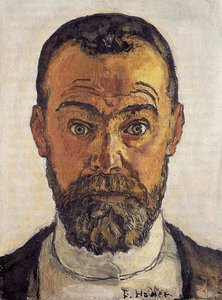
페르디난트 홀러
1853 - 1918 , 스위스
작가 정보 요약
- 국적: 스위스
- 대표 작품: ['밤', '낮', '진실 II']
- 사망일: 1918년 5월 19일
- 영향을 받은 예술가: ['표현주의']
- 예술 사조: 상징주의, 병렬주의
- 전체 이름: 페르디난트 홀러
- 출생일: 1853년 3월 14일
- 출생지: 베른, 스위스
관련 기사
Lamp Black & Masterpieces: 10 Paintings That Define Shadow & Light |
Delve into the captivating world of 'Lamp Black' tones with 10 iconic paintings by masters like Rembrandt & Caravaggio. Explore Baroque chiaroscuro, dramatic lighting & shadow in art history. Find museum-quality reproductions at
The Nuances of Graphite: Exploring Emotional Depth & Technical Mastery in Pencil Drawing
Explore the captivating world of graphite drawing! Discover its rich history, master essential techniques like chiaroscuro, and learn how artists evoke emotion through this timeless medium. Expert insights for art enthusiasts.

Ferdinand Hodler: Symbolism, Parallelism & the Quest for Universal Harmony
Explore the captivating world of Ferdinand Hodler, Swiss Symbolist painter renowned for his evocative landscapes & pioneering 'parallelism'. Discover his life, key works, and lasting influence on art history. Own a hand-painted reproduction today!
Mars Black Masterpieces: 10 Iconic Paintings & Timeless Art Decor Ideas
Delve into the power of 'Mars Black' with 10 iconic paintings by masters like Rembrandt & Caravaggio. Explore dramatic chiaroscuro, gothic art, and timeless beauty. Find museum-quality reproductions & elevate your home decor on .

Dark Masterpieces: 10 Iconic Paintings Dominated by Black Tones |
Explore 10 iconic paintings dominated by black tones, from Rembrandt’s chiaroscuro to Goya's dark expressions. Discover the stories behind these masterpieces & find museum-quality art reproductions for your home at .