
 미리보기
미리보기
 공유하기
공유하기 공유하기
공유하기
 상세 정보
상세 정보

 다운로드
다운로드
 유사 작품
유사 작품 X-레이
X-레이 슬라이드 쇼
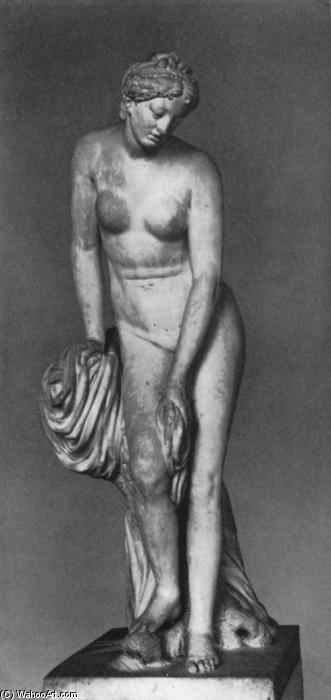
Venus


 더 보기
더 보기
지클레 / 아트 프린트
빠른 제작과 다양한 마감 옵션을 제공하는 박물관 품질의 지클레이 또는 캔버스 프린트. ( 손으로 그린 그림 구매 이미지 구매)




































작품의 원본 비율을 유지하는 미리 설정된 크기 중에서 선택하세요.

특정 프레임이나 공간에 맞춰 직접 치수를 입력하실 수 있습니다. 선택하신 사이즈가 원본 이미지의 비율과 일치하지 않을 경우, 작품을 크롭(자르기)하거나 이미지를 대칭 또는 단색 채우기로 확장하여 제작합니다. 제작 시작 전, 최종 확인을 위해 디지털 목업이 전송됩니다.
화면상의 미리보기는 실제 크롭이나 확장 상태를 반영하지 않으므로, 최종 구도는 오직 목업을 통해서만 정확하게 확인하실 수 있습니다.
맞춤 사이즈 제작도 가능하지만, 원본 비율을 유지하기 위해서는 사전 정의된 목록에서 치수를 선택하시는 것을 권장합니다.


 유리 옵션은 110cm 미만 크기에서만 선택 가능합니다.

Venus
지클레 / 아트 프린트
복제본 크기
-


최종 결제 금액
$ 80
작가 약력
Early Life and Academic Foundations
Feodosy Fyodorovich Shchedrin, born in the vibrant city of Saint Petersburg in 1751, emerged as a significant figure within the burgeoning Russian Neoclassical art scene. His artistic journey began under the tutelage of Nicolas-François Gillet at the Imperial Academy of Arts from 1764 to 1773. This foundational period instilled in him a rigorous understanding of classical principles and sculptural techniques. Shchedrin’s early promise earned him a scholarship, propelling him towards further studies abroad—a pivotal step that would shape his artistic vision. He embarked on an extended sojourn to France and Rome, immersing himself in the heart of European artistic innovation. His time in Paris, from 1775 to 1784, under the guidance of Christophe-Gabriel Ballard, proved particularly influential, exposing him to the prevailing aesthetic currents and honing his skills in capturing form and emotion.The Roman Years and Neoclassical Embrace
Rome became a crucible for Shchedrin’s artistic development. The city's rich heritage of classical sculpture—the works of antiquity that had captivated generations of artists—deeply resonated with him. He absorbed the ideals of proportion, balance, and idealized beauty that defined the Neoclassical style. This influence is readily apparent in his sculptures, which often drew inspiration from mythological subjects and historical narratives. Shchedrin’s work during this period wasn't merely imitation; he infused classical forms with a distinctly Russian sensibility, creating pieces that were both elegant and emotionally evocative. He began to establish a reputation for intricate detail and refined craftsmanship, qualities that would become hallmarks of his oeuvre.Return to Russia and Artistic Maturity
Upon his return to Russia, Shchedrin quickly ascended within the artistic hierarchy. His sculptures found favor with the Imperial court and aristocratic patrons, securing him commissions for both public monuments and private collections. He became a respected member of the Academy of Arts, contributing to its educational programs and shaping the next generation of Russian sculptors. While he embraced Neoclassical principles, Shchedrin’s work also reflected a growing interest in portraiture, capturing the likenesses of prominent figures with sensitivity and psychological depth. His portraits weren't simply representations of physical appearance; they sought to convey character and social standing.Major Works and Lasting Legacy
Shchedrin’s artistic output encompassed a diverse range of subjects and materials, including marble, bronze, and plaster. Notable works include his sculptures of *Marsyas*, *Venus*, and the *Caryatids*. These pieces demonstrate his mastery of anatomical detail, graceful composition, and expressive form. His engravings, though less widely known today, also showcase his technical skill and artistic sensibility. Shchedrin’s influence extended beyond his own creations; he played a crucial role in disseminating Neoclassical ideals throughout Russia, shaping the aesthetic landscape of the late 18th and early 19th centuries. He died in Saint Petersburg in 1825, leaving behind a legacy as one of Russia's foremost sculptors—a bridge between European artistic traditions and a uniquely Russian expression of classical beauty.Influences and Historical Context
Shchedrin’s art was deeply rooted in the historical context of his time. The reign of Catherine the Great witnessed a flourishing of arts and culture, fueled by her patronage and desire to establish Russia as a major European power. Neoclassicism, with its emphasis on reason, order, and classical antiquity, became the dominant aesthetic style of the era—a reflection of Enlightenment ideals and Catherine’s own aspirations for an enlightened empire. Shchedrin's work can be seen as part of this broader cultural movement, embodying the values of clarity, restraint, and intellectual rigor. His sculptures were not merely decorative objects; they served as symbols of power, virtue, and artistic achievement. He drew inspiration from artists like Antonio Canova and Jean-Antoine Houdon, but he also infused his work with a distinctly Russian spirit—a sensitivity to emotion and a nuanced understanding of human character. His ability to blend classical forms with local sensibilities cemented his place as a pivotal figure in the development of Russian sculpture.
feodosy fyodorovich shchedrin
1751 - 1825 , Russia
주요 정보
- Artistic Movement Or Style: Neoclassical
- Date Of Birth: Saint Petersburg, Russia (1751)
- Date Of Death: October 27, 1830
- Full Name: Feodosy Fyodorovich Shchedrin
- Nationality: Russian
- Notable Artworks:
- Marsyas
- Venus
- Caryatids
- Place Of Birth: Saint Petersburg

