- 홈

- 유화 복제화
- feng qiyong
- Landscape

 미리보기
미리보기
 공유하기
공유하기 공유하기
공유하기
 상세 정보
상세 정보

 다운로드
다운로드
 유사 작품
유사 작품 X-레이
X-레이 슬라이드 쇼
Landscape


 더 보기
더 보기
수제 유화 복제품
원하는 크기와 액자로 주문 제작되는, 작가들이 직접 캔버스에 손으로 그린 유화 작품입니다. ( 프린트 주문으로 전환 이미지로 전환)




































작품의 원본 비율을 유지하는 미리 설정된 크기 중에서 선택하세요.

특정 프레임이나 공간에 맞도록 직접 크기를 입력할 수 있습니다. 선택하신 크기가 원본 이미지의 비율과 일치하지 않는 경우, 작품을 자르거나 추가적인 손으로 그린 요소를 사용하여 그림을 확장합니다. 제작 시작 전 승인을 위해 디지털 목업을 보내드립니다.
화면 미리 보기는 실제 자르기 또는 확장을 반영하지 않습니다. 최종 구성은 목업을 통해서만 정확하게 확인하실 수 있습니다.
맞춤 크기 제작도 가능하지만, 원본 비율을 유지하기 위해 사전 정의된 목록에서 크기를 선택하시는 것을 권장합니다.
주문 후 OriginalUniqueArt.com 팀에서 상세 안내를 위해 고객님께 이메일을 보내드리며, 미리보기 시안을 제공해 드립니다.


 유리 옵션은 110cm 미만 크기에서만 선택 가능합니다.

Landscape
재현 기법
복제본 크기
-


최종 결제 금액
$ 300
작가 약력
A Life Dedicated to the Dream: Feng Qiyong and the World of Redology
Feng Qiyong, born in Beijing in 1924 and passing away in 2017 at the age of 95, was more than just a Chinese artist; he was a devoted scholar, a masterful calligrapher, and a pivotal figure in the study of one of China’s greatest literary treasures: *Dream of the Red Chamber*. His life unfolded against a backdrop of immense cultural and political change, yet his dedication to preserving and understanding this complex novel remained unwavering. Qiyong wasn't simply an observer of Chinese culture; he was an active participant in its preservation, navigating turbulent times with a quiet determination that ultimately cemented his legacy as a leading Redologist – a scholar specializing in *Dream of the Red Chamber*.Early Life and Scholarly Pursuits
From a young age, Feng Qiyong demonstrated a profound aptitude for literature and art. He immersed himself in classical texts, developing a deep appreciation for the nuances of Chinese language and aesthetics. This early passion laid the foundation for his future work, particularly his fascination with Cao Xueqin’s sprawling masterpiece. His formal education was interrupted by the tumultuous years of the Cultural Revolution, a period during which many cultural artifacts were threatened. It was during this time that Qiyong undertook a remarkable act of preservation: he secretly copied *Dream of the Red Chamber* entirely by hand, a testament to his unwavering commitment and a symbolic defiance against the destruction of China’s literary heritage. This handwritten copy, completed between December 1967 and June 1968, became a cherished artifact in itself, representing not only the novel but also Qiyong's personal resilience. He later pursued formal studies at the University of China, becoming a professor in the Department of Chinese Literature, where he shared his knowledge and passion with generations of students.Mastering Calligraphy and Painting
While best known for his Redological work, Feng Qiyong was also a highly respected calligrapher and painter. After turning 70, he developed a unique calligraphic style that blended classical techniques with romantic expression. His paintings often reflected the themes and imagery found in *Dream of the Red Chamber*, creating a harmonious connection between his scholarly pursuits and artistic practice. He wasn’t merely illustrating the novel; he was embodying its spirit through brushstrokes and ink washes, capturing the delicate emotions and subtle symbolism that define Cao Xueqin's work. His ability to seamlessly integrate these two disciplines earned him recognition within Chinese art circles, establishing him as an outstanding master in both calligraphy and painting.The 1982 Edition and a Legacy of Scholarship
Feng Qiyong’s most significant contribution to the study of *Dream of the Red Chamber* was his leadership of the team that produced the revised edition published by the People’s Literature Publishing House in 1982. This edition, with its meticulous corrections and extensive annotations, quickly became the standard version of the novel, widely regarded as the most authoritative text available. The process was a monumental undertaking, requiring years of painstaking research and collaboration. Qiyong's dedication to accuracy and his deep understanding of the novel’s complexities ensured that this edition would serve as a cornerstone for future scholarship. Beyond the 1982 edition, he authored over twenty books on Chinese literature and history, edited dictionaries dedicated to *Dream of the Red Mansions*, and contributed significantly to encyclopedias of Chinese art.A Lasting Impact on Chinese Culture
In 1986, Feng Qiyong was appointed vice chairman of the Chinese Art Research Institute, a testament to his esteemed position within the cultural community. His work extended beyond academic circles; he actively promoted the study and appreciation of *Dream of the Red Chamber* through public lectures, exhibitions, and publications. He also pursued research in other areas of Chinese history and archaeology, demonstrating a broad intellectual curiosity that enriched his understanding of the novel’s context. Feng Qiyong's life was a testament to the power of dedication, resilience, and a deep love for Chinese culture. His legacy continues to inspire scholars, artists, and readers alike, ensuring that *Dream of the Red Chamber* remains a vibrant and enduring part of China’s literary heritage. He left behind not just scholarly works but also a profound sense of responsibility towards preserving and understanding the nation's cultural treasures.
feng qiyong
1924 - 2017 , China
주요 정보
- Artistic Movement Or Style: Calligraphy, Shanshui
- Date Of Birth: 1924
- Date Of Death: 2017
- Full Name: Feng Qiyong
- Nationality: Chinese
- Notable Artworks: ['Landscape']
- Place Of Birth: Beijing, China
관련 기사 더 보기

인상주의 풍경화의 황홀한 순간들: 10대 걸작에 담긴 예술혼
인상주의 풍경화의 정수를 담은 10대 걸작! 모네, 르누아르 등 거장의 작품 비하인드 스토리와 예술혼을 만나보세요. OriginalUniqueArt에서 고품격 미술 복제 및 인테리어 영감을 얻고, 당신의 공간에 예술적 감성을 더하세요. 지금 바로 OriginalUniqueArt.com에서 모든 걸작을 발견해보세요!
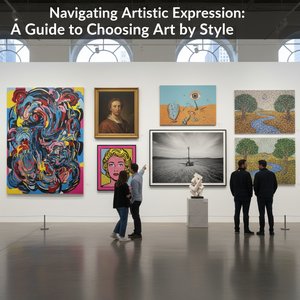
예술적 표현 탐구: 스타일 선택 가이드 (감각과 시대정신을 반영한 심층 분석)
OriginalUniqueArt에서 시대별 미술사조의 흐름을 심층 분석하고, 개인의 취향과 공간에 맞는 최적의 예술 스타일을 찾아보세요. 유명 화가들의 작품 세계와 구매 가이드까지 제공합니다.
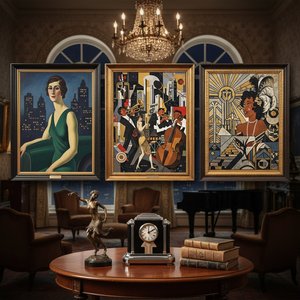
Roaring '20s Art: 10 Masterpieces of Jazz Age Style | OriginalUniqueArt
Step back into the glamour of the Roaring '20s! Explore 10 iconic artworks by artists like Tamara de Lempicka & Edward Hopper. Discover Art Deco, Jazz Age style & museum-quality reproductions at OriginalUniqueArt.com. Explore the full collection online.
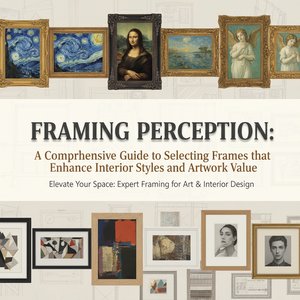
Framing Perception: A Comprehensive Guide to Selecting Frames that Enhance Interior Styles and Artwork Value
Elevate your space with expert art framing guidance! Discover how to choose frames that enhance artwork & interior design, protect valuable pieces, and create stunning displays. Trusted advice for designers & collectors.

Evocations of Place: A Historical Journey Through Landscape Art
Explore the rich history of landscape art with OriginalUniqueArt. Discover renowned artists, movements like Impressionism & tonalism, and expert guidance for collecting timeless pieces. Find your perfect serene escape today!

