

 미리보기
미리보기
 공유하기
공유하기 공유하기
공유하기
 상세 정보
상세 정보 Guide
Guide

 다운로드
다운로드
 유사 작품
유사 작품 X-레이
X-레이 슬라이드 쇼
 통계 정보
통계 정보Self-Portrait
 Oil On Canvas
- WallArt
- Baroque Period
 1570
1570 33.0 x 25.0 cm
 우피치 미술관
 더 보기
더 보기
지클레 / 아트 프린트
빠른 제작과 다양한 마감 옵션을 제공하는 박물관 품질의 지클레이 또는 캔버스 프린트. ( 손으로 그린 그림 구매 디지털 이미지로 전환)




P118B $10

P118H $10

P118W $10

P438Z $10

P508JH $12

P508YH $12

P805H $10

P805Z $10

P919BZ $10

P919G $10

P919XJ $10

P959ZH $10

P968JZ $12

W106C $8

W218G $10

W218JH $8

W218Y $10

W307PJ $10

W316G $10

W316PJ $8

W316Y $10

W398PJ $8

W4111J $10

W500HY $15

W500JH $15

W692G $12

W849H $8

W940BG $15

W953PJ $8




작품의 원본 비율을 유지하는 미리 설정된 크기 중에서 선택하세요.

특정 프레임이나 공간에 맞춰 직접 치수를 입력하실 수 있습니다. 선택하신 사이즈가 원본 이미지의 비율과 일치하지 않을 경우, 작품을 크롭(자르기)하거나 이미지를 대칭 또는 단색 채우기로 확장하여 제작합니다. 제작 시작 전, 최종 확인을 위해 디지털 목업이 전송됩니다.
화면상의 미리보기는 실제 크롭이나 확장 상태를 반영하지 않으므로, 최종 구도는 오직 목업을 통해서만 정확하게 확인하실 수 있습니다.
맞춤 사이즈 제작도 가능하지만, 원본 비율을 유지하기 위해서는 사전 정의된 목록에서 치수를 선택하시는 것을 권장합니다.


 유리 옵션은 110cm 미만 크기에서만 선택 가능합니다.

Self-Portrait
지클레 / 아트 프린트
복제본 크기
-


최종 결제 금액
$ 80
A Window to the Soul: Federico Fiori Barocci’s “Self-Portrait”
Federico Fiori Barocci's "Self-Portrait," painted in 1570, isn't merely a likeness; it’s a carefully constructed invitation into the artist’s mind and spirit. Housed within the hallowed halls of the Galleria degli Uffizi in Florence, this oil on canvas offers a remarkably intimate glimpse into the world of a pivotal figure bridging the Renaissance and the burgeoning Baroque era. Measuring just 33 x 25 centimeters, its modest scale belies the profound depth of emotion and technical mastery contained within.
Barocci’s style, as evidenced here, is characterized by an exquisite balance between classical restraint and a growing expressive intensity – a hallmark that would later define his most celebrated works. The painting immediately draws the eye to the subject's face, rendered with meticulous detail; the subtle play of light and shadow sculpts his features, hinting at both age and a contemplative demeanor. The artist’s skill is undeniable: visible brushstrokes create a textured surface, lending a sense of immediacy and vitality to the portrait. The careful rendering of the beard and mustache – meticulously detailed strands capturing the texture and sheen of hair – speaks volumes about Barocci's dedication to his craft.
The Baroque’s Embrace: Emotion and Drama
Painted during a period of significant artistic transition, “Self-Portrait” embodies the shift from the idealized formality of the High Renaissance towards the dramatic emotionalism of the Baroque. While retaining elements of Renaissance portraiture – particularly in the careful attention to anatomical accuracy – Barocci introduces a new level of psychological depth. The subject’s gaze is direct and engaging, almost challenging the viewer to connect with his inner world. This deliberate engagement was a key element of the Baroque's focus on evoking emotion and conveying spiritual experience.
The dark background serves not as mere backdrop but as a strategic device, intensifying the luminosity of the subject’s face and drawing all attention to his expression. It’s a technique frequently employed during this period, prioritizing the psychological impact of the portrait over elaborate settings or distracting details. The inclusion of the lace collar – a detail suggesting wealth and perhaps even a position of authority – subtly hints at Barocci's social standing within Urbino’s aristocratic circles.
A Masterpiece in Miniature: Technique and Materials
The choice of oil on canvas was crucial to Barocci’s artistic vision. This medium allowed for rich, vibrant colors and a remarkable level of detail – essential for capturing the nuances of skin tone, fabric texture, and the subtle play of light. The layering of paint creates a sense of depth and volume, while the visible brushstrokes contribute to the painting's overall dynamism. The artist’s masterful control over chiaroscuro—the dramatic contrast between light and dark—further enhances the portrait’s emotional impact, creating a captivating interplay of shadows and highlights.
Beyond the Canvas: A Legacy of Emotion
Federico Fiori Barocci's "Self-Portrait" is more than just a representation of an individual; it’s a window into the artist’s soul. It stands as a testament to his technical skill, his understanding of human psychology, and his pivotal role in shaping the artistic landscape of the 16th century. The painting's enduring appeal lies not only in its aesthetic beauty but also in its ability to evoke a sense of empathy and connection – a reminder that even within a small canvas, a profound story can be told.
Further exploration into Barocci’s life and work is encouraged through the resources linked below. Consider commissioning a high-quality reproduction to bring this captivating masterpiece into your own home or office—a tangible connection to one of art history's most intriguing figures.
작가 약력
르네상스와 바로크를 잇는 거장, 페데리코 바록키
1535년 이탈리아 우르비노에서 태어난 페데리코 피오리(Federico Fiori)라는 이름으로 세상에 빛을 본 화가는 ‘일 바록키오(il Baroccio)’라는 별명으로 더욱 널리 알려지게 된다. ‘바록키오’는 북서부 이탈리아 방언에서 소가 끄는 두 바퀴 수레를 의미하는데, 그의 삶과 예술 세계에 대한 흥미로운 암시를 담고 있다. 어린 시절 아버지 암브로조 바록키에게 조각의 기초를 배우며 예술적 재능을 키운 그는 이후 우르비노에서 활동하던 화가 바티스타 프랑코에게 본격적인 미술 교육을 받으며 미래의 성공을 위한 기반을 다졌다.예술 여정과 영향
바록키는 뛰어난 기량과 독창적인 스타일로 빠르게 명성을 얻어갔다. 그의 작품은 곧바로 바로크 양식을 예견할 만큼 혁신적이었으며, 특히 페테르 파울 루벤스와 같은 후대 거장들에게 지대한 영향을 미쳤다. 로마에서 타데오 주카리와 페데리코 주카리의 화실에서 활동하며 다양한 예술적 흐름을 접한 바록키는 자신만의 독특한 화풍을 구축해 나갔다. 초기 대표작인 ‘성 마가렛’은 그의 섬세한 표현력과 뛰어난 색채 감각을 보여주는 작품으로, 성사회의 형제회로부터 큰 호평을 받았다. 이후 교황 피우스 4세의 초청을 받아 바티칸 벨베데레 궁전 장식에 참여하면서 ‘성모자와 성인들’ 그리고 천장화 ‘수태고지’를 완성하며 예술가로서 입지를 확고히 다졌다. 그의 스타일은 마니에리스모와 바로크 양식이 절묘하게 혼합된 특징을 지니며, 극적인 표현과 생동감 넘치는 구도가 돋보인다.주요 작품과 유산
바록키의 예술적 역량을 잘 보여주는 대표작들은 오늘날 세계 각지의 주요 미술관에 소장되어 있다. 피렌체 우피치 미술관에 있는 ‘남성 누드 다섯 점과 오른팔 두 점’은 인체의 아름다움을 완벽하게 포착한 그의 뛰어난 드로잉 실력을 증명한다. 파리 루브르 박물관의 ‘할례를 위한 구도 연구’는 작품의 구성 능력과 감정 표현 능력을 엿볼 수 있는 중요한 자료이다. 브뤼셀 왕립 미술관에 소장된 ‘성 안드레아의 소명을 위한 머리 스케치’는 그의 세밀한 관찰력과 인물 표현 기법을 잘 보여준다. 또한, 프라도 미술관에 있는 ‘탄생(1597)’은 섬세하고 따뜻한 분위기로 많은 사랑을 받고 있으며, 우피치 미술관의 ‘민중의 성모자’ 역시 그의 대표작 중 하나이다. 특히 ‘고양이 성모자(La Madonna del Gatto)’는 바록키 특유의 부드러운 색감과 현실적인 묘사가 돋보이는 작품으로, 많은 이들에게 감동을 선사한다. 1582년에 완성된 ‘수태고지’ 역시 그의 뛰어난 기량을 보여주는 대표작이다.예술적 영향과 후대
바록키의 예술은 단순히 당대의 미술계를 넘어, 후대 화가들에게도 지대한 영향을 미쳤다. 특히 페테르 파울 루벤스는 바록키의 극적인 표현과 생동감 넘치는 붓터치를 깊이 연구하고 자신의 작품에 적극적으로 반영했다. 그의 유산은 오늘날에도 수많은 작품을 통해 이어지고 있으며, 우피치 미술관(피렌체)과 루브르 박물관(파리) 등 세계 각지의 주요 미술관에서 그의 작품들을 감상할 수 있다. 바록키는 르네상스 시대의 고전적인 아름다움과 바로크 시대의 역동성을 조화롭게 결합하여 새로운 예술적 지평을 열었다. 그는 이탈리아 미술사뿐만 아니라 유럽 전체 미술사에 중요한 발자취를 남긴 위대한 거장으로 평가받고 있다. 그의 작품은 시대를 초월하여 많은 사람들에게 깊은 감동과 영감을 주고 있으며, 앞으로도 오랫동안 사랑받을 것이다.
페데리코 바록키
1535 - 1612 , 이탈리아
주요 정보
- Artistic Movement Or Style: 르네상스, 바로크
- Artists Or Movements Influenced By This Artist: ['피터 폴 루벤스']
- Artists Who Influenced This Artist: ['바티스타 프랑코']
- Date Of Birth: 1535년
- Date Of Death: 1612년
- Full Name: 페데리코 피오리 바록키
- Nationality: 이탈리아인
- Notable Artworks (List Of Titles):
- 성탄
- 마돈나 델 포폴로
- 수태고지
- Place Of Birth (City And Country): 이탈리아, 우르비노
관련 기사 더 보기

The Enduring Legacy of Oil on Canvas: Technique, History & Aesthetic Impact
Explore the rich history & techniques of oil painting – from Renaissance masters to Impressionism. Discover pigments, layering methods, and why this timeless medium endures. Expert insights for artists & art enthusiasts.
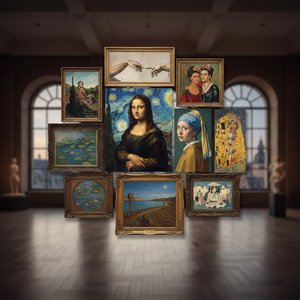
Oil on Canvas Masters: 10 Paintings That Redefined Art History |
Journey through art history with our guide to 10 legendary oil on canvas masterpieces! Explore iconic works by Van Gogh, Monet & Rembrandt. Find museum-quality reproductions and elevate your home decor at . Discover all masterpieces online.
The Soul of Impressionism: Why Oil on Canvas Captures Eternal Light and Timeless Emotion
Discover the enchanting alchemy of Impressionism. Explore how the mastery of oil on canvas, through glazing and impasto, captures eternal light and emotion. Perfect for lovers of Monet and Van Gogh seeking the profound depth of hand-painted fine art.

캔버스의 유산: 기법, 역사 그리고 현대적 실천
유화의 역사와 기법부터 현대적 실천까지, 캔버스의 모든 것을 심도 있게 다룹니다. 주요 화가들의 작품 분석과 유화 제작 과정을 상세히 안내하며, 아트 컬렉션을 위한 최고의 정보를 제공합니다.

Oil on Canvas: A Historical & Technical Exploration of a Timeless Artistic Medium
Explore the rich history & enduring techniques of oil painting on canvas. Discover the science behind its longevity, conservation practices, and contemporary relevance. Expert insights for art enthusiasts.