

 보내기
보내기 공유하기
공유하기
 상세 보기
상세 보기 가이드 보기

 이미지 다운로드
 유사 작품 더 보기
 슬라이드 쇼 보기
 통계 정보
통계 정보Slave Rape Story Quilt


 상세 보기
상세 보기
지클레 / 아트 프린트
빠른 제작과 다양한 마감 옵션을 선택할 수 있는 박물관 수준의 지클레이 및 캔버스 프린트. ( 수작업 채색 복제본 주문하기 디지털 이미지 판매 채널로 전환)




































작품의 원본 비율을 그대로 유지하는 프리셋 사이즈 중에서 선택해 보세요.

특정 프레임이나 공간에 맞춰 직접 치수를 입력하실 수 있습니다. 선택하신 사이즈가 원본 이미지의 비율과 일치하지 않을 경우, 작품을 크롭(자르기)하거나 이미지를 대칭 또는 단색 채우기로 확장하여 제작합니다. 제작 시작 전, 최종 확인을 위해 디지털 목업이 전송됩니다.
화면상의 미리보기는 실제 크롭이나 확장 상태를 반영하지 않으므로, 최종 구도는 오직 목업을 통해서만 정확하게 확인하실 수 있습니다.
맞춤 사이즈 제작도 가능하지만, 원본 비율을 유지하기 위해서는 사전 정의된 목록에서 치수를 선택하시는 것을 권장합니다.


 유리 옵션은 110cm 미만 크기에서만 선택 가능합니다.

Slave Rape Story Quilt
지클레 / 아트 프린트
복제본 규격
-


총 결제 금액
$ 80
A Tapestry of Resilience and Memory
In the profound and visceral work Slave Rape Story Quilt, created in 1985, the legendary artist Faith Ringgold invites us into a space where textile meets testimony. This piece is not merely an object of craft but a powerful narrative vessel, part of her groundbreaking series of story quilts that redefined the boundaries between fine art and folk tradition. At first glance, the viewer is met with a vibrant explosion of color—deep reds, celestial blues, sun-drenched yellows, and earthy greens—yet this visual richness serves as a complex veil for the heavy, historical truths woven into its very fibers. The quilt functions as a fragmented mosaic of memory, where each patch of fabric acts as a syllable in a much larger, more painful story of survival and systemic struggle.
The technique employed by Ringgold is a masterful blend of mixed media and traditional quilting, a method that allows her to bridge the gap between the domestic sphere and the political arena. By utilizing small, meticulously pieced squares of diverse fabrics, she creates a rhythmic, almost percussive visual texture. Some segments feature intricate patterns, while others are adorned with hand-drawn illustrations and poignant inscriptions. This layering of media—fabric, ink, and thread—mirrors the layered nature of history itself, where personal trauma is inextricably bound to the broader socio-political landscape of Black American life. The tactile quality of the work invites a sense of intimacy, drawing the observer closer to witness the delicate interplay between the softness of the cloth and the harshness of the subject matter.
Symbolism and the Weight of History
Every stitch in this quilt carries the weight of an ancestral legacy. Ringgold utilizes the medium of the quilt as a symbol of protection, warmth, and communal heritage, yet she subverts these comforting associations to confront the brutal realities of racial violence and oppression. The use of disparate patterns and colors can be seen as a metaphor for the fragmented identities forced upon individuals by the institution of slavery. The presence of writing within the fabric pieces transforms the artwork into a living document, an archive of voices that were historically silenced. Through this technique, the artist ensures that the "story" in her story quilts is not just observed but read and felt, turning the viewer into a witness to a historical truth that refuses to be forgotten.
For the discerning collector or interior designer, a reproduction of such a profound work offers more than mere decoration; it provides a focal point of deep intellectual and emotional resonance. To hang such a piece is to curate a conversation about justice, endurance, and the power of art to reclaim agency. The Slave Rape Story Quilt stands as a testament to the transformative power of creativity—how the hands of an artist can take the scraps of a broken history and stitch them into a cohesive, undeniable statement of human dignity. It is a masterpiece of intersectional activism, making it an essential acquisition for those who value art that challenges the soul and enriches the spirit.
작가 소개
A Tapestry of Resilience: The Life and Legacy of Faith Ringgold
Born in the vibrant heart of Harlem on October 8, 1930, as Faith Willi Jones, the artist who would become known to the world as Faith Ringgold emerged from a lineage of strength and intellect. Raised by Andrew Louis Jones and Willi Posey Jones, her early years in New York City provided the cultural crucible that would later shape her profound explorations of identity. Her academic journey at the City College of New York, where she earned both her bachelor’s and master’s degrees, laid the foundation for a career that refused to be confined by the traditional boundaries of fine art. Ringgold did not merely paint; she wove together the disparate threads of race, class, gender, and family into a singular, powerful visual language.
As her career unfolded, Ringgold became much more than a painter; she evolved into an intersectional activist whose brushstrokes served as tools for social change. Her work has always been deeply rooted in the lived experiences of Black Americans, capturing the nuances of struggle and triumph with an unflinching gaze. Throughout her decades-long journey, she navigated the complexities of the art world, often finding herself at the forefront of movements to challenge the marginalization of Black artists within major institutions like the Museum of Arts and Design. Her activism was never separate from her aesthetic; rather, her art was the very vessel through which she rallied against systemic inequality.
The Innovation of the Story Quilt
Perhaps the most transformative moment in Ringgold’s artistic evolution arrived in the 1980s with the birth of her signature story quilts. By merging the traditional, domestic craft of quilting with the high-art medium of painting, she bridged the gap between folk art and fine art, reclaiming a medium historically associated with women's labor and elevating it to a stage of global importance. These works are not merely textiles; they are epic narratives that utilize fabric, dye, and paint to tell stories of migration, resistance, and personal history. This technique allowed her to create a tactile intimacy that invites the viewer to step directly into the heart of the Black American experience.
Her mastery extended far beyond the quilt, encompassing a diverse range of disciplines including printmaking, sculpture, and performance art. One of her most celebrated series, The French Collection (1991–1997), serves as a testament to her global perspective. Inspired by her travels through Europe and her profound encounters with masterpieces in the Louvre, this series demonstrates her ability to dialogue with the Western canon while simultaneously asserting a unique, non-Western narrative voice. This period of her work reflects a sophisticated synthesis of classical inspiration and contemporary social commentary.
A Lasting Impression on Global Culture
The historical significance of Faith Ringgold lies in her refusal to accept the status quo. Her contributions have left an indelible mark on the landscape of American art, ensuring that the stories of those often left out of the historical record are preserved with dignity and brilliance. Her influence is felt not only in the galleries but also in the hearts of young readers, as she authored and illustrated over a dozen children's books, bringing her powerful themes of justice and identity to a new generation.
Today, the legacy of Ringgold is enshrined in some of the most prestigious institutions in the world. Her works serve as permanent pillars in the collections of:
- The Guggenheim Museum
- The Metropolitan Museum of Art
- The Schomburg Center for Research in Black Culture
Through her relentless pursuit of truth and her mastery of mixed media, Faith Ringgold remains a towering figure whose art continues to breathe, challenge, and inspire the world.

faith willi jones
1930 - , United States of America
작가 정보 요약
- Artists Or Movements Influenced By This Artist: ['']
- Artists Who Influenced This Artist: ['']
- Date Of Birth: 1930
- Nationality: Origin
- Notable Artworks: ['']
- Place Of Birth: WahooArt
관련 기사
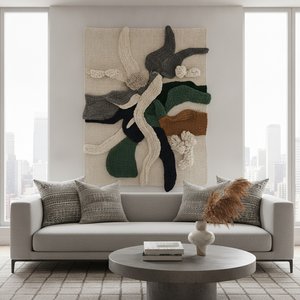
Beyond Canvas: Why Textile Art is the Next High-Impact Trend for Modern Interior Design
Discover why textile art is the next major trend in interior design. Explore how tactile fibers, bold textures, and sustainable mixed media are redefining modern urban spaces and bringing high-impact energy to contemporary collections.

Mixed Media Art for Hospitality: A Professional Guide to Texture, Layering, and High-Impact Interior Design
Elevate hospitality interiors with professional mixed media art. Our guide explores texture, layering, and durability for hotel designers and procurement managers seeking high-impact, custom-commissioned artworks that define luxury guest experiences.
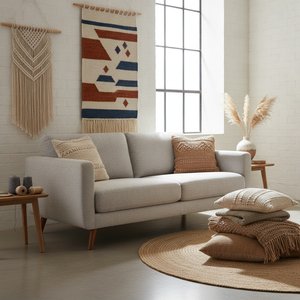
Woven Wonders: A Beginner's Guide to Elevating Your New Home with Timeless Textile Art
Discover how to transform your new home with the warmth of textile art. Our expert guide for newlyweds explores handwoven tapestries, tactile fibers, and timeless ways to curate a soulful, sophisticated interior through beautiful woven wonders.
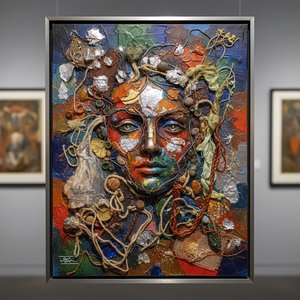
Beyond the Brush: An Expert Guide to Mastering Mixed Media Art Techniques and Materiality
Elevate your artistic practice with our expert guide to mastering mixed media art. Discover professional techniques for layering, material integration, and creating structural depth to transform your creative vision into sophisticated, multi-dimensional masterpieces.

Mixed Media Magic: How to Layer Texture and Street Style for High-Impact Art
Master the art of high-impact decor with our trend forecast on mixed media. Discover how to layer street style textures and dimensional elements to create a bold, urban aesthetic for your modern space. Elevate your collection with professional insights into contemporary art trends.