

 미리보기
미리보기
 공유하기
공유하기 공유하기
공유하기
 상세 정보
상세 정보

 다운로드
다운로드
 유사 작품
유사 작품 X-레이
X-레이 슬라이드 쇼
 통계 정보
통계 정보Maternite


 더 보기
더 보기
지클레 / 아트 프린트
빠른 제작과 다양한 마감 옵션을 제공하는 박물관 품질의 지클레이 또는 캔버스 프린트. ( 손으로 그린 그림 구매 디지털 이미지로 전환)




P118B $10

P118H $10

P118W $10

P438Z $10

P508JH $12

P508YH $12

P805H $10

P805Z $10

P919BZ $10

P919G $10

P919XJ $10

P959ZH $10

P968JZ $12

W106C $8

W218G $10

W218JH $8

W218Y $10

W307PJ $10

W316G $10

W316PJ $8

W316Y $10

W398PJ $8

W4111J $10

W500HY $15

W500JH $15

W692G $12

W849H $8

W940BG $15

W953PJ $8




작품의 원본 비율을 유지하는 미리 설정된 크기 중에서 선택하세요.

특정 프레임이나 공간에 맞춰 직접 치수를 입력하실 수 있습니다. 선택하신 사이즈가 원본 이미지의 비율과 일치하지 않을 경우, 작품을 크롭(자르기)하거나 이미지를 대칭 또는 단색 채우기로 확장하여 제작합니다. 제작 시작 전, 최종 확인을 위해 디지털 목업이 전송됩니다.
화면상의 미리보기는 실제 크롭이나 확장 상태를 반영하지 않으므로, 최종 구도는 오직 목업을 통해서만 정확하게 확인하실 수 있습니다.
맞춤 사이즈 제작도 가능하지만, 원본 비율을 유지하기 위해서는 사전 정의된 목록에서 치수를 선택하시는 것을 권장합니다.


 유리 옵션은 110cm 미만 크기에서만 선택 가능합니다.

Maternite
지클레 / 아트 프린트
복제본 크기
-


최종 결제 금액
$ 80
Maternité: A Tapestry of Light, Color, and Maternal Grace
Paul Gauguin’s *Maternité* (1899) isn't merely a depiction of three women tending to their infants; it’s an immersion into a world saturated with the vibrant hues of Tahiti and imbued with a profound sense of serenity. Painted during his second sojourn on the island, this oil-on-canvas masterpiece represents a pivotal shift in Gauguin’s artistic trajectory – moving away from the stark realism of his earlier voyages towards a more expressive, symbolic language. The scene unfolds within a lush, verdant landscape, a carefully constructed tableau that speaks volumes about Gauguin's fascination with Polynesian culture and his desire to capture its essence on canvas. Notice immediately the bold, almost aggressively bright palette; deep greens and blues dominate, punctuated by flashes of ochre, crimson, and gold – colors drawn directly from the natural world around him, applied with a confident, almost impulsive brushstroke. This isn’t an attempt at photographic accuracy, but rather a distillation of feeling, a translation of experience into pure color. The figures themselves are simplified, their forms rendered with a deliberate looseness that reflects Gauguin's embrace of Synthetism – a style he developed to prioritize the essential qualities of form and color over meticulous detail.- The Composition: Three women, each deeply engaged in the act of nurturing, occupy the foreground. The central figure, seated with a baby nestled against her chest, exudes a quiet dignity. To her left, another woman holds her child close, while the third stands, offering sustenance to her infant. Gauguin masterfully uses spatial relationships – the figures are arranged in a gentle curve that draws the eye through the scene – creating a sense of harmonious unity.
- Symbolism and Meaning: *Maternité* is rich with symbolic weight. The act of motherhood itself represents fertility, continuity, and the cyclical nature of life. Gauguin’s deliberate choice to depict women in such a relaxed, intimate setting suggests a rejection of Western societal pressures and an embrace of a more primal connection to nature and family. The abundance of flowers – hibiscus, tiare, and other tropical blooms – further reinforces this theme of fertility and vitality.
- Technique: Gauguin’s distinctive technique is immediately apparent. He employs broad, sweeping brushstrokes, often applying the paint directly from the tube, creating a textured surface that seems to shimmer with light. The use of *impasto*—thickly applied paint—adds depth and physicality to the scene, bringing the figures and foliage to life. Notice how he uses color not just to represent reality but also to evoke emotion – the warm yellows and oranges suggest happiness and contentment, while the cooler blues and greens convey a sense of tranquility.
Gauguin’s Post-Impressionist Vision
As a key figure in the Post-Impressionist movement, Gauguin pushed beyond the limitations of Impressionism, seeking to express his subjective emotions and ideas through color and form. He rejected the fleeting effects of light and atmosphere favored by his Impressionist predecessors, opting instead for bolder, more expressive brushstrokes and a greater emphasis on symbolic content. *Maternité* exemplifies this shift – it’s not simply a representation of a scene; it's an emotional response to it. Gauguin’s use of color is particularly striking, employing vibrant hues that are often derived from the natural world around him. He deliberately distorted forms and simplified details, prioritizing the essential qualities of his subjects over photographic accuracy. This approach paved the way for later movements such as Fauvism and Expressionism, demonstrating Gauguin's profound influence on 20th-century art.Reproductions & Artistic Legacy
OriginalUniqueArt offers meticulously crafted hand-painted reproductions of *Maternité*, capturing the essence of Gauguin’s original masterpiece with unparalleled fidelity. Each reproduction is created by skilled artists who have a deep understanding of Gauguin's techniques and artistic vision. We offer various sizes and canvas materials to suit your individual needs and preferences, ensuring that you receive a high-quality artwork that will enhance any space. Beyond the visual beauty of the painting itself, *Maternité* represents a significant moment in art history – a bold departure from traditional representation and a powerful expression of Gauguin’s unique artistic vision. Explore more Post-Impressionist masterpieces by Gauguin and his contemporaries on OriginalUniqueArt.com, including works like “A Henhouse” and “The Boss's Daughter,” to further appreciate the breadth and depth of this revolutionary artist’s oeuvre.작가 약력
대담한 붓터치로 그려낸 삶: 폴 고갱의 세계
강렬한 색채와 반항적인 정신을 떠올리게 하는 이름, 에갱 앙리 폴 고갱은 인상주의에서 현대 미술로 넘어가는 전환기의 핵심적인 인물입니다. 1848년 파리에서 태어난 그의 삶은 결코 평범하지 않았습니다. 그의 어린 시절은 매우 독특한 환경 속에서 형성되었습니다. 언론인이었던 아버지와 페루 귀족 가문의 혈통을 이어받은 어머니 사이에서 자란 그는, 선구적인 페미니스트이자 사회주의 작가였던 외할머니 플로라 트리스탄의 이상주의적 정신이 흐르는 가정 환경 속에서 성장했습니다. 이러한 유산은 고갱의 예술적 비전에 깊은 영향을 미쳤으며, 유럽 너머의 문화에 대한 매혹을 심어주었습니다. 1850년 가족과 함께 페루로 이주하여 보낸 유년 시절은 파리 사회와는 전혀 다른 세계를 경험하게 했고, 이 기억은 마음속에 남아 결국 예술적 진정성을 찾아 떠나는 그의 여정에 불을 지폈습니다. 아버지가 세상을 떠난 후 프랑스로 돌아온 고갱은 정규 교육을 받았으나, 학문보다는 급성장하던 금융계에 매료되어 주식 중개인으로서의 커리어를 시작했습니다. 이는 그를 기다리고 있던 예술적 운명과는 상호 모순되어 보이는 길이었습니다.금융가에서 예술적 소명으로
수년 동안 고갱은 사업을 성실히 수행하면서도 마음 한편으로는 그림에 대한 열정을 몰래 키워나가는 이중적인 삶을 살았습니다. 초기에는 인상주의자들의 영향을 받아 여가 시간에 색채와 빛을 실험하기 시작했으나, 곧 찰나의 현실을 포착하는 데만 집중하는 그들의 방식에 한계를 느끼게 되었습니다. 1882년의 경제 위기는 전환점이 되었고, 그는 수익성 높은 직업을 포기하고 예술적 소명을 온전히 받아들이기로 결심합니다. 이는 단순한 직업의 변화가 아닌, 세계관의 근본적인 전환이었습니다. 그는 카미유 피사로에게 가르침을 구하며 파리의 아방가르드 예술계에 발을 들였으나, 곧 인상주의적 원칙에서 벗어나기 시작했습니다. 그는 단순히 눈에 보이는 것뿐만 아니라 자신이 *느끼는* 것을 전달할 수 있는, 더욱 표현적이고 상징적인 매체를 갈망했습니다. 이러한 열망은 그를 파리의 살롱을 넘어 '원시' 문화의 심장부로 이끄는 예술적 탐험의 여정으로 인도했습니다. 그는 단순히 이 문화를 묘사하는 데 그치지 않고, 서구 문명에서 상실된 순수함이 그곳에 있다고 믿으며 그 본질을 흡수하고자 했습니다.브르타뉴와 타히티의 부름
고갱의 예술적 진화는 그의 여행과 떼려나 놓을 수 없는 관계였습니다. 그는 브르타뉴에서 시간을 보내며 그 지역의 거친 풍경과 깊게 뿌리 내린 전통에 매료되었습니다. 이 시기에 그는 형태를 평면화하고, 대담한 윤곽선을 사용하며, 구도를 단순화하는 실험을 이어갔습니다. 이러한 기법들은 그를 사실주의로부터 멀어지게 하고 더욱 상징적인 언어에 가깝게 만들었습니다. 하지만 그의 창조적 잠재력을 진정으로 폭발시킨 것은 1891년 타히티로 떠난 여정이었습니다. 유럽 문명의 답답한 제약으로부터 도피처를 찾던 고갱은 폴리네시아 문화가 더 순수하고 진정한 삶의 방식을 제공할 것이라 믿으며 영감을 얻고자 했습니다. 이는 단순한 예술적 추구가 아닌 영적인 탐구였습니다. 그는 현지의 관습과 신앙에 몰입하여 폴리네시아 여성, 풍경, 그리고 종교적 의례를 자신만의 독특한 시각으로 그려냈습니다. 일본 판화의 영향인 자포니즘(Japonisme)과 중세 미술의 영향을 받아, 그는 강렬한 색채와 이국적인 소재, 그리고 신비로운 분위기가 특징인 독창적인 미학을 구축했습니다. “망고를 든 여인(Vahine no te miti)”, “죽은 자의 영혼이 지켜보는 모습(Manao Tupapau)”, 그리고 “신의 날(The Day of Gods)”과 같은 상징적인 작품들이 이 시기에 탄생하며 선구적인 예술가로서 그의 명성을 공고히 했습니다. 그의 색채 사용은 점점 더 대담해지고 비사실적으로 변해갔는데, 이는 현실을 복제하기 위함이 아니라 감정과 영적 의미를 표현하기 위한 수단이었습니다.유산과 논쟁
예술적 돌파구에도 불구하고 고갱의 삶은 종종 고난으로 점철되었습니다. 타히티와 이후 정착한 마르키즈 제도에서의 삶은 경제적 어려움과 건강 악화로 힘들었습니다. 그럼에도 그는 삶과 죽음, 그리고 영성에 대한 주제를 끊임없이 탐구하며 다작을 이어갔습니다. 1903년 마르키즈 제도의 외딴 섬인 히바 오아에서 그는 자신의 천재성을 거의 인정받지 못한 채 생을 마감했습니다. 고갱의 작품이 마땅한 찬사를 받기 시작한 것은 그가 죽은 이후였습니다. 오늘날 그는 인상주의와 상징주의 사이의 가교 역할을 하며 야수파와 같은 운동의 길을 닦은 현대 미술 발전의 핵심 인물로 추앙받습니다. 그의 색채 사용, 단순화된 형태, 그리고 상징적 이미지는 파블로 피카소, 앙리 마티스 등 수많은 예술가에게 깊은 영향을 미쳤습니다. 그러나 고갱은 개인적인 삶의 측면, 특히 젊은 폴리네시아 여성들과의 관계 때문에 여전히 논쟁적인 인물로 남아 있으며, 이는 현대의 윤리적 관점에서 계속해서 재해해석되고 있습니다. 그럼에도 불구하고 그의 예술적 공헌은 부정할 수 없으며, 그의 유산은 전 세계 예술가와 애호가들에게 끊임없는 영감을 주고 있습니다. 그는 관습에 도전하고 자신만의 길을 개척한 진정한 혁신가였으며, 그 자신만큼이나 매혹적이고 수수께끼 같은 작품들을 세상에 남겼습니다.주요 영향 및 예술적 특징
- 인상주의: 초기 색채와 빛에 영향을 주었으나, 찰나의 현실에만 집중한다는 이유로 이후 거부함.
- 자포니즘(Japonisme): 평면적인 원근법, 대담한 윤곽선, 그리고 장식적인 패턴에 영감을 줌.
- 중세 미술: 상징적인 이미지와 엄격한 사실주의의 거부에 영향을 미침.
- 종합주의(Synthetism): 객관적 관찰보다는 주관적 경험에 기반하여 예술을 창조하는 고갱만의 양식.
- 원시주의(Primitivism): 비서구 문화가 더 진정성 있고 영적인 삶의 방식을 제공한다고 믿으며 가졌던 매혹. 이는 그의 소재와 양식적 선택에 그대로 반영됨.
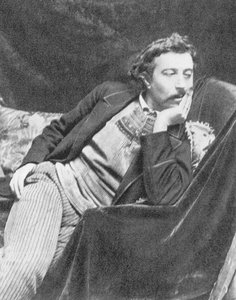
폴 가우거인
1848 - 1903 , 프랑스
주요 정보
- Artistic Movement Or Style: 후기인상주의 및 상징주의
- Artists Or Movements Influenced By This Artist: ['파블로 피카소']
- Artists Who Influenced This Artist: ['카밀 페사로']
- Date Of Birth: 1848년 6월 7일
- Date Of Death: 1903년 5월 8일
- Full Name: Eugène Henri Paul Gauguin
- Nationality: 프랑스인
- Notable Artworks:
- 클리어링
- 바히네 노 테 미티
- 마나오 투파우
- Place Of Birth: 파리 프랑스
관련 기사 더 보기

폴 세잔 명작 25선: 시대를 초월하는 예술과 공간의 미학 | OriginalUniqueArt
폴 세잔의 시대를 초월하는 명작 25점을 만나보세요. 인상주의를 넘어 후기 인상주의를 개척한 화가의 예술 세계와 정물화, 풍경화 속 숨겨진 이야기를 OriginalUniqueArt에서 감상하세요. 고품질 아트 프린트와 캔버스 액자로 공간에 예술을 더해보세요! 지금 바로 컬렉션을 탐험하세요.

후기인상주의를 정의한 10대 걸작: 예술과 홈데코의 새로운 영감
후기인상주의를 빛낸 10대 명작! 고흐, 세잔 등 거장의 작품 비하인드 스토리와 예술적 의미를 만나보세요. OriginalUniqueArt에서 최고급 미술 복제 및 인테리어 영감을 얻고, 당신의 공간을 예술로 채워보세요. 지금 바로 확인하세요!
Beyond Impressionism: Exploring the Emotional Depth of Post-Impressionist Painting
Explore the profound emotional depth & innovative techniques of Post-Impressionism with OriginalUniqueArt. Discover Cézanne, Van Gogh, Gauguin & more – and their lasting impact on modern art.
Beyond Impressionism: Exploring Emotional Depth & Formal Innovation in Post-Impressionist Art
Explore the profound emotional depth & formal innovations of Post-Impressionism with our expert guide. Discover Cézanne, Van Gogh, Gauguin & more. Learn about art history, collecting, and investing in this pivotal movement.

폴 클레 최고작 25선: 색채와 형식이 빚어낸 예술의 정수 | OriginalUniqueArt
폴 클레 최고작 25선을 만나보세요. 추상 미술의 거장 폴 클레의 색채와 감성이 담긴 명화들을 감상하고, 작품 속 숨겨진 이야기와 화풍을 탐구하세요. OriginalUniqueArt에서 고품질 아트 프린트와 인테리어 아이디어를 찾아보세요! 지금 바로 컬렉션을 둘러보세요.


