

 미리보기
미리보기
 공유하기
공유하기 공유하기
공유하기
 상세 정보
상세 정보

 다운로드
다운로드
 유사 작품
유사 작품 X-레이
X-레이 슬라이드 쇼
 통계 정보
통계 정보Le Racou


 더 보기
더 보기
수제 유화 복제품
원하는 크기와 액자로 주문 제작되는, 작가들이 직접 캔버스에 손으로 그린 유화 작품입니다. ( 프린트 판매로 전환 디지털 이미지로 전환)




































작품의 원본 비율을 유지하는 미리 설정된 크기 중에서 선택하세요.

특정 프레임이나 공간에 맞도록 직접 크기를 입력할 수 있습니다. 선택하신 크기가 원본 이미지의 비율과 일치하지 않는 경우, 작품을 자르거나 추가적인 손으로 그린 요소를 사용하여 그림을 확장합니다. 제작 시작 전 승인을 위해 디지털 목업을 보내드립니다.
화면 미리 보기는 실제 자르기 또는 확장을 반영하지 않습니다. 최종 구성은 목업을 통해서만 정확하게 확인하실 수 있습니다.
맞춤 크기 제작도 가능하지만, 원본 비율을 유지하기 위해 사전 정의된 목록에서 크기를 선택하시는 것을 권장합니다.
주문 후 OriginalUniqueArt.com 팀에서 상세 안내를 위해 고객님께 이메일을 보내드리며, 미리보기 시안을 제공해 드립니다.


 유리 옵션은 110cm 미만 크기에서만 선택 가능합니다.

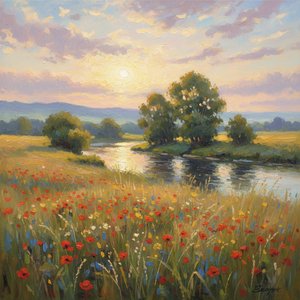
Le Racou
재현 기법
복제본 크기
-


최종 결제 금액
$ 300
작가 약력
Étienne Terrus: A Pioneer of Fauvist Landscape Painting
Étienne Joseph Mathieu Terrus (1857 – 1922) stands as a significant figure in the burgeoning landscape painting movement of early 20th-century France, particularly recognized as one of the formative influences on Fauvism. Born in Elne, Pyrénées-Orientales, Terrus’s artistic journey began with formal studies in Paris but swiftly returned him to his native region where he established himself as a prolific artist and cultivated enduring friendships with fellow luminaries like George Daniel de Monfreid, André Derain, and Henri Matisse—relationships that profoundly shaped his creative vision.- Early Life & Education: Terrus’s formative years were marked by an upbringing steeped in the traditions of Roussillon, a region celebrated for its vibrant pigments and dramatic landscapes. Despite pursuing academic training in Paris, he consistently prioritized capturing the essence of his homeland through painting.
- Style & Technique: Terrus's distinctive style is characterized by bold brushstrokes, expressive color palettes—often dominated by intense reds, yellows, and blues—and a deliberate rejection of traditional tonal shading. He embraced Impressionistic principles while simultaneously forging a path toward Fauvist experimentation, prioritizing emotional impact over meticulous realism.
- Notable Works: Among Terrus’s most celebrated paintings are “La Plage d’Argelès” (1907), depicting the coastal scenery of Argeles-sur-Mer with remarkable luminosity and dynamism, and “Le Racou” (1908), a panoramic vista capturing the rugged beauty of the Pyrenees mountains. These canvases exemplify his masterful ability to convey atmosphere and emotion through color and texture.
- Connections & Collaborations: Terrus’s correspondence with Matisse proved invaluable in shaping his artistic sensibilities, fostering intellectual exchange and inspiring mutual encouragement. Their shared passion for landscape painting cemented their position as pivotal figures within the avant-garde movement.
The Influence of Impressionism and Fauvism
Terrus's artistic development was undeniably shaped by the prevailing currents of Impressionism, which championed capturing fleeting moments of light and color—a departure from academic conventions that prioritized detailed representation. However, Terrus transcended mere imitation, pushing beyond Impressionistic boundaries into the realm of Fauvism. This movement, spearheaded by Matisse and Derain, advocated for unrestrained artistic expression through vibrant hues and simplified forms, prioritizing emotional intensity over objective observation. Terrus’s embrace of Fauvist techniques—particularly his bold use of color—demonstrated a willingness to challenge established norms and forge new paths in landscape painting.Recognition & Legacy
Terrus's work gained considerable acclaim during his lifetime, securing him a respected place within the artistic community of Paris and Roussillon. The Musée Terrus in Elne serves as a testament to his enduring legacy, showcasing a comprehensive collection of his paintings—a remarkable achievement considering the relatively limited scope of his oeuvre. Furthermore, the discovery that over half of his artworks were fraudulent underscored the importance of meticulous provenance research and highlighted the challenges faced by art historians attempting to reconstruct Terrus’s artistic history. Despite this setback, Terrus's contribution to landscape painting remains undeniable, securing him a prominent position in the annals of modern art.Further Exploration
For deeper insights into Étienne Terrus’s life and work, consult scholarly publications exploring his stylistic innovations and contextualizing his contributions within the broader artistic landscape of early 20th-century France. Examining biographical accounts alongside critical analyses offers a nuanced understanding of Terrus's artistic journey and lasting impact on Fauvist aesthetics.
étienne terrus
1857 - 1922
주요 정보
- Artistic Movement Or Style: Fauvism Precursor
- Artists Or Movements Influenced By This Artist:
- Barbizon
- Impressionism
- Artists Who Influenced This Artist:
- George Daniel de Monfreid
- André Derain
- Henri Matisse
- Date Of Birth: September 22, 1857
- Full Name: Étienne Joseph Mathieu Terrus
- Nationality: French
- Notable Artworks:
- Le Racou
- La plage d’Argelès
- Place Of Birth: Elne, Pyrénées-Orientales
관련 기사 더 보기

Evocations of Place: A Historical Journey Through Landscape Art
Explore the rich history of landscape art with OriginalUniqueArt. Discover renowned artists, movements like Impressionism & Romanticism, and expert guidance for collecting timeless pieces. Find your perfect serene escape today!

Capturing Light: A Masterclass in the Ethereal Beauty of Impressionistic Landscapes
Explore the ethereal beauty of Impressionist landscapes. Discover how masters like Monet captured fleeting light through color and texture, and learn to curate these timeless, luminous masterpieces for your home collection.

Impressionistic Landscapes: 10 Masterpieces That Changed Art & Decor
Journey into the heart of Impressionism! Explore 10 masterpieces by Monet, Renoir & Degas that revolutionized landscape art. Discover their stories, techniques & find museum-quality reproductions to elevate your home decor on OriginalUniqueArt.com.

인상주의 풍경화의 황홀한 순간들: 10대 걸작에 담긴 예술혼
인상주의 풍경화의 정수를 담은 10대 걸작! 모네, 르누아르 등 거장의 작품 비하인드 스토리와 예술혼을 만나보세요. OriginalUniqueArt에서 고품격 미술 복제 및 인테리어 영감을 얻고, 당신의 공간에 예술적 감성을 더하세요. 지금 바로 OriginalUniqueArt.com에서 모든 걸작을 발견해보세요!
Capturing Fleeting Light: A Comprehensive Exploration of Impressionistic Landscape Painting
Explore the captivating world of Impressionistic landscape painting! Discover techniques, key artists like Monet & Renoir, and its lasting influence on art history. A comprehensive guide for enthusiasts.