

 프린트 구매
 공유하기
공유하기 공유하기
공유하기
 상세 정보
상세 정보

 다운로드
다운로드
 유사 작품
유사 작품 슬라이드 쇼
Seated Cupid


 더 보기
더 보기




































작품의 원본 비율을 유지하는 미리 설정된 크기 중에서 선택하세요.

특정 프레임이나 공간에 맞도록 직접 크기를 입력할 수 있습니다. 선택하신 크기가 원본 이미지의 비율과 일치하지 않는 경우, 작품을 자르거나 추가적인 손으로 그린 요소를 사용하여 그림을 확장합니다. 제작 시작 전 승인을 위해 디지털 목업을 보내드립니다.
화면 미리 보기는 실제 자르기 또는 확장을 반영하지 않습니다. 최종 구성은 목업을 통해서만 정확하게 확인하실 수 있습니다.
맞춤 크기 제작도 가능하지만, 원본 비율을 유지하기 위해 사전 정의된 목록에서 크기를 선택하시는 것을 권장합니다.
주문 후 OriginalUniqueArt.com 팀에서 상세 안내를 위해 고객님께 이메일을 보내드리며, 미리보기 시안을 제공해 드립니다.


 유리 옵션은 110cm 미만 크기에서만 선택 가능합니다.

Seated Cupid
재현 기법
복제본 크기
-


최종 결제 금액
$ 300
작품 상세 설명
The Enigmatic Embrace: Introducing Seated Cupid
Étienne-Maurice Falconet’s “Seated Cupid,” crafted around 1757, is more than just a depiction of the Roman god; it's an exquisitely rendered meditation on desire, secrecy, and the potent allure of youthful passion. This marble sculpture, now housed in various collections including the Rijksmuseum in Amsterdam, immediately captivates with its poised elegance and subtly unsettling atmosphere. Falconet masterfully captures a moment suspended between invitation and warning – a visual embodiment of the complex emotions associated with love’s initial bloom.
A Rococo Masterpiece: Style and Technique
Falconet’s style is firmly rooted in the Rococo period, a time of refined beauty, playful asymmetry, and an emphasis on sensuality. The sculpture showcases this perfectly – observe the gentle curves of Cupid's body, the delicate folds of his drapery, and the almost languid pose that suggests both readiness and restraint. The use of Carrara marble is crucial; its pristine white provides a luminous backdrop for the figure’s subtle details, while allowing the sculptor to demonstrate remarkable skill in capturing texture and form. The meticulous carving reveals an astonishing level of detail – from the individual strands of his hair to the delicate quiver at his side – demonstrating Falconet's mastery of his medium.
Technically, Falconet employed a subtractive approach, carefully removing material from a larger block of marble to reveal the desired form. This method allowed for incredible precision and control, particularly evident in the rendering of Cupid’s face—a study in youthful innocence tempered with a hint of knowing mischief. The subtle shading and highlights create a remarkable sense of volume and depth, bringing the statue to life.
Historical Context: Pompadour's Patronage and Sèvres Porcelain
The sculpture’s creation coincided with a period of immense artistic patronage under Madame de Pompadour, mistress of King Louis XV. She was renowned for her discerning taste and her support of the arts, commissioning numerous works from leading sculptors and artists. “Seated Cupid” was specifically created for her, embodying the ideals of beauty and pleasure that she championed. Furthermore, Falconet’s appointment as director of the sculpture atelier at the Royal Sèvres Porcelain Manufactory in 1757 marked a pivotal moment in the history of porcelain sculpture. He revolutionized the production of small-scale figurines, elevating them to an art form through his innovative designs and meticulous execution.
Symbolism: The Language of Desire
The symbolism within “Seated Cupid” is layered and intriguing. His pose—seated on a cloud-like pedestal – immediately establishes him as a divine figure, elevated above the mundane world. The finger to his lips is perhaps the most compelling element; it’s an invitation to secrecy, a suggestion that love's promises are best kept hidden. The quiver of arrows hints at Cupid’s power to inflict both joy and pain, while the delicate rose sprigs symbolize beauty and romance. The overall effect is one of alluring mystery – a reminder that love can be both intoxicatingly beautiful and potentially dangerous.
A Timeless Appeal: Reproduction and Interior Design
“Seated Cupid” remains an enduring symbol of romantic allure, making it a popular subject for reproductions. When selecting a high-quality reproduction, consider the materials used – hand-painted marble or resin offer the most authentic representation of Falconet’s original work. This sculpture's graceful form and evocative symbolism make it a perfect addition to any interior space, bringing a touch of timeless elegance and romantic intrigue to your home.
작가 약력
The Sculptor of Grandeur and Delicate Beauty
Étienne Maurice Falconet stands as a pivotal figure in the late Baroque, Rococo, and early Neoclassical periods of French sculpture. Born in Paris in 1716, his journey from a humble apprenticeship to becoming one of the most celebrated artists of his time is a testament to talent, ambition, and an extraordinary ability to capture both power and grace. Falconet’s early life was marked by practical labor; he began as a marble cutter’s assistant, a far cry from the prestigious artistic circles he would eventually command. However, his innate talent for sculpting quickly shone through, producing clay and wood figures during his leisure hours that attracted the attention of Jean-Baptiste Lemoyne the Younger. This mentorship proved crucial, providing the formal training and guidance necessary to transform a skilled craftsman into a master of fine art.
As Falconet’s reputation grew, so did his ability to navigate the shifting aesthetic tides of the 18th century. His work seamlessly bridged the gap between the ornate, playful energy of the Rococo and the disciplined, heroic ideals of Neoclassicism. Early masterpieces like Milo of Croton (1754) secured his admission to the Académie des Beaux-Arts, marking a significant milestone in his career. In this work, Falconet demonstrated a remarkable capacity for realism and emotional depth, imbuing cold stone with the visceral struggle and legendary strength of the Greek athlete. His talent for capturing human feeling through anatomical precision established him as a rising star within the Parisian art world.
A Legacy in Bronze and Porcelain
While many sculptors are remembered for a single medium, Falconet’s versatility allowed him to leave an indelible mark on both monumental bronze and delicate porcelain. Perhaps his most enduring achievement is the colossal bronze statue of Peter the Great, known as "The Bronze Horseman," located in St. Petersburg, Russia. This monumental work serves as a triumph of scale and symbolism, capturing the imperial spirit of the Russian Tsar through dynamic movement and commanding presence. It remains one of the most iconic sculptural landmarks in Europe, representing the pinnacle of his ability to execute large-scale, historical narratives.
Parallel to his monumental bronze works, Falconet played a transformative role in the Royal Sèvres porcelain manufactory. Here, he elevated small-scale sculpture to an art form in its own right, infusing delicate porcelain figures with the same grace and sophistication found in his marble works. His contributions to Sèvres helped define the aesthetic of the era, blending elegance with intricate detail. His ability to master both the massive and the miniature is reflected in a diverse body of work that includes:
- Pygmalion and Galatea: A stunning marble sculpture capturing the mythical moment Aphrodite breathes life into stone, embodying the essence of artistic creation.
- Flora: A 1751 marble masterpiece that showcases his Neoclassical mastery through serene beauty and elegant form.
- Milo of Croton: A dynamic depiction of strength and struggle that highlights his skill in capturing intense physical emotion.
Through his mastery of various scales and styles, Étienne Maurice Falconet shaped the visual language of his century. Whether through the sweeping drama of a public monument or the intimate charm of a porcelain figurine, his work continues to resonate as a profound exploration of human emotion, myth, and the enduring beauty of form.

étienne maurice falconet
1716 - 1791 , France
주요 정보
- Artistic Movement Or Style: Baroque, Rococo, Neoclassical
- Artists Or Movements Influenced By This Artist: ['Boucher']
- Artists Who Influenced This Artist: ['Jean-Baptiste Lemoyne']
- Date Of Birth: December 1, 1716
- Date Of Death: January 24, 1791
- Full Name: Étienne Maurice Falconet
- Nationality: French
- Notable Artworks:
- Bronze Horseman Statue
- Flora
- Milo of Croton
- Place Of Birth: Paris, France
관련 기사 더 보기

The Enduring Allure of Marble in Art History: From Classical Sculpture to Modern Abstraction
Explore the captivating history of marble sculpture from ancient Greece to modern art. Discover renowned artists like Canova & Michelangelo, carving techniques, and investment insights at OriginalUniqueArt.

Bronze Sculptures That Defined Art History | OriginalUniqueArt
Journey through art history with our Top 10 bronze sculptures! Explore masterpieces by Rodin, Michelangelo & more. Discover stories behind iconic statues and find museum-quality reproductions for your home decor at OriginalUniqueArt.com.

The Enduring Form: Exploring Themes & Techniques in Sculpture Across Historical Periods
Explore the rich history of sculpture from ancient masterpieces to contemporary innovations. Discover key techniques, influential artists & investment potential for discerning art collectors.
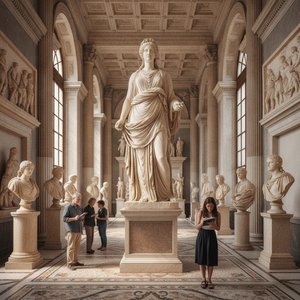
Timeless Grandeur: Exploring the Eternal Beauty and Art-Historical Legacy of Marble Sculpture
Explore the profound legacy of marble sculpture, from Classical antiquity to Neoclassical mastery. A definitive guide for elite collectors and designers seeking to integrate the luminous, eternal beauty of stone into sophisticated, high-end architectural spaces.
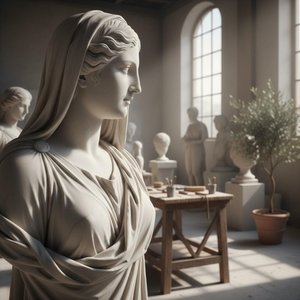
Timeless Elegance: A Complete Guide to the Sublime Beauty and Artistry of Marble Sculpture
Discover the sublime beauty of marble art through an expert exploration of Renaissance and Neoclassical masterpieces. From the delicate textures of Carpeaux to the grandeur of Sansovino, immerse yourself in a guide to timeless elegance and sculptural perfection.

