

 실제 크기로 보기
 보내기
보내기 공유하기
공유하기
 상세 보기
상세 보기 가이드 보기

 이미지 다운로드
 유사 작품 더 보기
 X-레이
X-레이 슬라이드 쇼 보기
 통계 정보
통계 정보Sitzender weiblicher Akt


 상세 보기
상세 보기
지클레 / 아트 프린트
빠른 제작과 다양한 마감 옵션을 선택할 수 있는 박물관 수준의 지클레이 및 캔버스 프린트. ( 수작업 채색 복제본 주문하기 디지털 이미지 판매 채널로 전환)




P118B $10

P118H $10

P118W $10

P438Z $10

P508JH $12

P508YH $12

P805H $10

P805Z $10

P919BZ $10

P919G $10

P919XJ $10

P959ZH $10

P968JZ $12

W106C $8

W218G $10

W218JH $8

W218Y $10

W307PJ $10

W316G $10

W316PJ $8

W316Y $10

W398PJ $8

W4111J $10

W500HY $15

W500JH $15

W692G $12

W849H $8

W940BG $15

W953PJ $8




작품의 원본 비율을 그대로 유지하는 프리셋 사이즈 중에서 선택해 보세요.

특정 프레임이나 공간에 맞춰 직접 치수를 입력하실 수 있습니다. 선택하신 사이즈가 원본 이미지의 비율과 일치하지 않을 경우, 작품을 크롭(자르기)하거나 이미지를 대칭 또는 단색 채우기로 확장하여 제작합니다. 제작 시작 전, 최종 확인을 위해 디지털 목업이 전송됩니다.
화면상의 미리보기는 실제 크롭이나 확장 상태를 반영하지 않으므로, 최종 구도는 오직 목업을 통해서만 정확하게 확인하실 수 있습니다.
맞춤 사이즈 제작도 가능하지만, 원본 비율을 유지하기 위해서는 사전 정의된 목록에서 치수를 선택하시는 것을 권장합니다.


 유리 옵션은 110cm 미만 크기에서만 선택 가능합니다.

Sitzender weiblicher Akt
지클레 / 아트 프린트
복제본 규격
-


총 결제 금액
$ 80
Sitzender weiblicher Akt: A Study in Expressionist Emotion
Ernst Ludwig Kirchner's "Sitzender weiblicher Akt" (Seated Female Nude), created in 1913, is a powerful pastel drawing that exemplifies the core tenets of German Expressionism. Housed within the Sprengel Museum in Germany, this artwork transcends mere representation, delving into the realm of intense emotion and psychological exploration through distorted forms and vibrant color.
Delving into the Artwork
The composition centers on a woman seated gracefully on the floor, her legs crossed in a pose that suggests introspection. She appears lost in thought, gazing beyond the viewer's perspective, creating an immediate sense of mystery. The presence of two indistinct figures in the background adds depth and complexity to the scene, hinting at underlying tensions or unspoken narratives. Kirchner’s masterful use of bold lines and unconventional colors—sickly yellows, greens, blues, reds, and browns—contributes significantly to the artwork's emotionally charged atmosphere. These choices deviate from naturalistic representation, prioritizing subjective experience over objective reality.
Expressionism and Artistic Influences
“Sitzender weiblicher Akt” is deeply rooted in the Expressionist movement, which sought to convey inner feelings rather than external appearances. Kirchner’s style was profoundly influenced by African and Oceanian art, evident in the simplification of forms and the use of non-naturalistic colors. This fusion of influences resulted in a unique brand of Expressionism that distinguished him from his contemporaries. The drawing's dynamic composition, characterized by overlapping planes and fragmented shapes, further emphasizes the movement and instability inherent in the subject’s emotional state.
Symbolism and Emotional Impact
Beyond its aesthetic qualities, "Sitzender weiblicher Akt" carries symbolic weight. The elongated and angular features of the figure, coupled with the unsettling color palette, evoke feelings of anxiety or unease. The flattened perspective and directional lighting amplify these emotions, creating a dramatic effect that draws the viewer into the artwork's psychological landscape. Kirchner’s technique—direct application of pastel strokes to paper—results in an energetic mark-making process that further enhances the sense of immediacy and raw emotion.
Kirchner's Legacy and the Brücke Movement
Ernst Ludwig Kirchner was a pivotal figure within the "Brücke" (Bridge) movement, a collective of artists who challenged traditional artistic conventions. His work significantly impacted the development of modern art, paving the way for future generations of Expressionist painters. Other notable works by Kirchner, such as “Fehmarn Coast” and “Gut Staberhof, Fahmarn I,” demonstrate his mastery of oil on panel and canvas techniques. "Sitzender weiblicher Akt" stands as a testament to Kirchner's innovative spirit and artistic genius—a compelling masterpiece that continues to resonate with art lovers worldwide.
- Visit the Sprengel Museum: Experience Kirchner’s artwork firsthand at the Sprengel Museum in Germany.
- Explore Related Artists: Discover other notable artists like Werner Peiner, known for his realism and New Objectivity styles.
작가 소개
Ernst Ludwig Kirchner (1880-1938): A Life Forged in Expression
Ernst Ludwig Kirchner, a name inextricably linked to the visceral heart of German Expressionism, wasn’t merely an artist; he was a conduit for anxieties simmering beneath the surface of early 20th-century Europe. Born into Bavaria's quiet countryside in 1880, his formative years instilled within him a profound awareness of displacement—a feeling that would become a cornerstone of his artistic vision. From Frankfurt’s bustling streets to Perlen’s serene lakes and finally settling in Chemnitz, Kirchner absorbed the unsettling pulse of industrializing Germany, shaping his worldview and informing his oeuvre. Initially pursuing architecture at Dresden University, he swiftly recognized painting as his true calling—a path fueled by admiration for masters like Albrecht Dürer and a resolute rejection of academic formalism. He found solace and camaraderie amongst fellow rebels – Fritz Bleyl, Karl Schmidt-Rottluff, Erich Heckel – forging bonds that would propel them to the forefront of artistic innovation.The Genesis of Die Brücke: Seeking Artistic Liberation
Kirchner’s artistic journey gained momentum in 1905 with his founding membership of *Die Brücke* (“The Bridge”), an artistic collective determined to transcend the limitations of prevailing aesthetic conventions. This wasn't simply stylistic ambition; it represented a fundamental philosophical stance—a yearning for authenticity amidst the encroaching homogenizing forces of modernity. The group’s inspiration drew from sources often dismissed by the mainstream art world: primitive art from Africa and Oceania, mirroring the bold chromatic palettes championed by Vincent van Gogh, and delving into the unsettling psychological depths explored by Edvard Munch. Rejecting idealized beauty—the hallmark of Impressionism—they embraced distortion, jarring color combinations, and expressive brushwork to convey the pervasive anxieties associated with urban life and societal transformation. Kirchner’s early canvases pulsed with restless energy, reflecting the collective desire for liberation from artistic constraints. The studio became a crucible for experimentation, where social norms were challenged alongside established artistic traditions.Early Influences & Artistic Style: Embracing Distortion
Kirchner's artistic style is immediately recognizable for its distinctive characteristics—a deliberate departure from academic conventions. He wielded color not as a faithful representation of reality but as an instrument to evoke emotional responses—often vibrant, non-naturalistic hues that heightened the sense of unease or intensity within his compositions. His brushstrokes were energetic and visible, contributing to the overall feeling of immediacy and raw emotion. Figures and objects frequently appeared distorted or elongated, mirroring Kirchner’s subjective perception of the world rather than striving for objective accuracy. This stylistic choice wasn't arbitrary; it stemmed from a deep engagement with artistic precedents—particularly Dürer’s meticulous detail contrasted against Munch’s haunting psychological exploration. He absorbed influences from Henri Matisse and Vincent van Gogh, embracing bold color palettes and simplified forms as tools to express profound emotional truths. The group’s fascination with primitive art – specifically African sculpture – further fueled Kirchner's stylistic explorations, prompting him to adopt a technique characterized by rough-hewn surfaces and partially painted textures.Berlin Street Scenes & Psychological Depth: Capturing Modern Anxiety
Kirchner’s artistic output powerfully documented the anxieties of his time—the alienation, anonymity, and overwhelming scale of urban existence that defined the burgeoning metropolis of Berlin during the early 20th century. Paintings like *The Street* (1908) aren't merely depictions of cityscape; they are portraits of psychological states—capturing the frenetic energy and emotional detachment experienced by individuals navigating a rapidly changing social landscape. He eschewed sentimental idealism, confronting uncomfortable truths about human experience with unflinching honesty. His canvases conveyed a palpable sense of unease—a reflection of his own internal struggles and a broader preoccupation with existential questions. Kirchner’s masterful use of color and brushwork created an immersive visual experience that mirrored the psychological complexity he sought to portray.Legacy & Recognition: A Troubled Genius
Kirchner's artistic legacy extends far beyond his immediate contemporaries—inspiring generations of artists who embraced Expressionism as a means of confronting societal anxieties and exploring the depths of human emotion. Despite facing persecution during the Nazi era—over 600 of his works confiscated and deemed “degenerate”—Kirchner’s unwavering commitment to artistic truth endured. Tragically, he succumbed to illness in Davos, Switzerland, in 1938—a poignant end to a life marked by both creative brilliance and profound personal turmoil. Nevertheless, Ernst Ludwig Kirchner remains an enduring symbol of German Expressionism—his canvases continue to resonate with audiences worldwide, serving as a testament to the transformative power of art to illuminate the human condition and challenge conventional perspectives. His influence can be seen in countless subsequent artistic endeavors, cementing his place as one of the most significant figures in 20th-century art history.
에른스트 루드비히 키르슈너
1880 - 1938 , 독일
작가 정보 요약
- Artistic Movement Or Style: 표현주의
- Artists Who Influenced This Artist:
- 알브레히트 뒤러
- 빈센트 반 고흐
- 에드바르트 먼히
- Date Of Birth: 5월 6일 1880년
- Date Of Death: 6월 15일 1938년
- Full Name: Ernst Ludwig Kirchner
- Nationality: 독일인
- Notable Artworks:
- 거리의 그림들
- 춤추는 여성들
- 자기 얼굴 초상화
- Place Of Birth: 아슈바펜부르크 독일
관련 기사
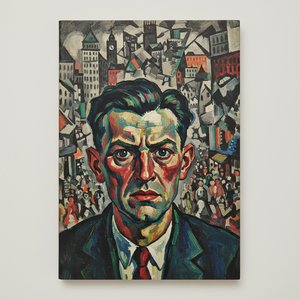
The Vibrant World of Ernst Ludwig Kirchner: A Definitive Guide to German Expressionism
Explore the raw emotion of German Expressionism through a definitive guide to Ernst Ludwig Kirchner. Discover how his bold colors and distorted forms redefined modern art history, from Berlin street scenes to iconic masterpieces.

German Expressionism's 10 Defining Masterpieces | Art for Your Home
Explore 10 defining German Expressionism masterpieces – from Munch's 'The Scream' to Kandinsky’s abstracts. Discover the artists, stories & bold colors behind this powerful art movement. Find museum-quality reproductions at OriginalUniqueArt.com.
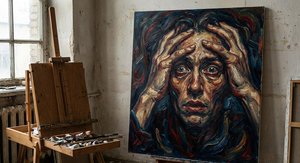
Figurative Expressionism: Emotional Intensity & Subjective Reality in 20th-Century Art
Explore the powerful world of Figurative Expressionism with OriginalUniqueArt. Discover key artists like Kirchner & Beckmann, understand its emotional depth, and learn how to collect this influential 20th-century art movement.

맥스 어른스트 최고 걸작 25선: 꿈과 무의식의 화가, 공간에 예술을 더하다
맥스 어른스트 최고 걸작 25선을 만나보세요. 초현실주의 화가 어른스트의 꿈, 무의식, 혁신적인 기법이 담긴 명화들을 감상하고, 공간에 예술적 영감을 불어넣으세요. OriginalUniqueArt.com에서 고품질 미술 작품을 컬렉션하세요.
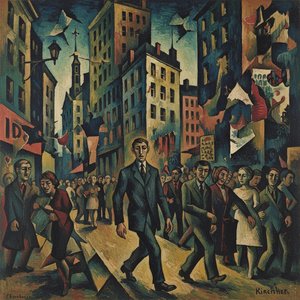
Ernst Ludwig Kirchner: Expressionism's Urban Anxiety & the Fragmentation of Modern Identity
Explore the powerful world of Ernst Ludwig Kirchner and German Expressionism. Discover his iconic paintings, Die Brücke group, and the movement's exploration of urban anxiety & modern identity. Expert analysis for collectors & enthusiasts.


