
 미리보기
미리보기
 공유하기
공유하기 공유하기
공유하기
 상세 정보
상세 정보 가이드 보기

 다운로드
다운로드
 유사 작품 더 보기
 X-레이
X-레이 슬라이드 쇼 보기
 질의응답
질의응답 통계 정보
통계 정보하레의 적색 탑

- 92.0 x 120.0 cm


 더 보기
더 보기
지클레 / 아트 프린트
빠른 제작과 다양한 마감 옵션을 제공하는 박물관 수준의 지클레이 및 캔버스 프린트. ( 수작업 채색 복제본 주문하기 디지털 이미지로 전환)




P118B ₩10

P118H ₩10

P118W ₩10

P438Z ₩10

P508JH ₩12

P508YH ₩12

P805H ₩10

P805Z ₩10

P919BZ ₩10

P919G ₩10

P919XJ ₩10

P959ZH ₩10

P968JZ ₩12

W106C ₩8

W218G ₩10

W218JH ₩8

W218Y ₩10

W307PJ ₩10

W316G ₩10

W316PJ ₩8

W316Y ₩10

W398PJ ₩8

W4111J ₩10

W500HY ₩15

W500JH ₩15

W692G ₩12

W849H ₩8

W940BG ₩15

W953PJ ₩8




작품의 원본 비율을 그대로 유지하는 프리셋 사이즈 중에서 선택해 보세요.

액자나 벽면 크기에 맞춰 필요한 가로와 세로 길이를 입력해 주세요. 프린트는 원본 이미지보다 크게 제작할 수 없으며 오직 자르는 것만 가능하므로, 비율이 다른 사이즈를 선택할 경우 이미지의 일부가 잘려 나갈 수 있습니다. 인쇄 작업에 들어가기 전, 최종 확인을 위해 디지털 목업을 보내드립니다. 이 페이지에 표시된 이미지는 실제 잘리는 영역을 나타내지 않으며, 오직 목업을 통해서만 정확한 확인이 가능합니다.


 유리 옵션은 110cm 미만 크기에서만 선택 가능합니다.

하레의 적색 탑
지클레 / 아트 프린트
복제본 크기
-


최종 결제 금액
₩ 108730
Der Rote Turm in Halle: Ein Ausdrucksstück der deutschen Moderne
Die Darstellung des roten Turms von Halle ist ein beeindruckendes Beispiel für die Kunstrichtung Expressionismus und wurde 1914 von Ernst Ludwig Kirchner geschaffen. Dieser großformatige Ölgemälde befindet sich im Folkwang Museum Essen und bietet einen einzigartigen Blick auf eine Stadtlandschaft, die tief geprägt ist von sozialer Veränderung und künstlerischem Aufbruch. Kirchners Werk ist mehr als nur eine einfache Landschaftsskizze; es ist ein Ausdruck von Emotionen und Erfahrungen, der durch eine besondere Perspektive und Farbgebung verstärkt wird. ### Komposition und Stil Kirchner nutzt eine diagonale Perspektive, um den Betrachter direkt auf die zentrale Struktur des Gemäldes zu ziehen – den roten Turm selbst. Diese ungewöhnliche Blickrichtung unterstreicht nicht nur die Dynamik der Stadt, sondern auch die subjektive Wahrnehmung des Künstlers. Die Komposition ist bewusst chaotisch und wirkt intensiv durch eine Vielzahl von Linien und Formen, die einen Eindruck von Bewegung und Energie vermitteln. Stilistisch lässt sich das Gemälde als Ausdrucksstück des Expressionismus einordnen, dessen Ziel es war, traditionelle künstlerische Konventionen zu hinterfragen und Emotionen direkt auf Leinwand zu bringen. Die Verwendung von großen Flächen und Farbflächen sowie eine reduzierte Darstellung von Details tragen zur Gesamtwirkung bei. ### Technik und Farbe Kirchner setzt eine beeindruckende Öltechnik ein, die durch ihre hohe Farbkraft und Textur besonders hervorsticht. Mit großzügigen Pinselstrichen wird eine Vielzahl von Farben eingesetzt – hauptsächlich tiefblaue und warme Orangetöne –, um eine lebendige Atmosphäre zu schaffen und gleichzeitig einen starken emotionalen Eindruck zu hinterlassen. Die Technik des Impasto, bei der Farbe dick aufgetragen wird, verleiht dem Gemälde eine besondere Tiefe und Plastizität und betont die Bedeutung von Gefühlsausdruck über reine Wiedergabe hinaus. Durch diese außergewöhnliche Farbgebung und Textur wird ein tiefgreifendes Erlebnis für den Betrachter ermöglicht. ### Historischer Kontext und Bedeutung Die Erschaffung von „Der Rote Turm in Halle“ fällt in eine Zeit großer gesellschaftlicher Umwälzungen und künstlerischer Innovationen – die Zeit des deutschen Expressionismus. Diese Bewegung strebte danach, neue Wege zu finden, um menschliche Erfahrungen auszudrücken und sich gegen den zunehmenden Einfluss der akademischen Kunst einzukaufen. Kirchner und seine Kollegen wollten eine Sprache sprechen, die über reine Darstellung hinausgeht und tiefere Emotionen und Gedanken aufrufen konnte. Der rote Turm selbst steht für Stärke und Monumentalität, während die Stadtlandschaft als Gesamtkunstwerk die Herausforderungen und Chancen der modernen Welt widerspiegelt. Das Gemälde ist somit ein Schlüssel zum Verständnis der künstlerischen und gesellschaftlichen Entwicklungen dieser Epoche. ### Symbolik und Emotionale Wirkung Die Verwendung von Farbe und Form dient dazu, eine bestimmte Stimmung zu erzeugen – eine Mischung aus Spannung und Melancholie, die jedoch auch Hoffnung und Energie beinhaltet. Durch die Darstellung einer Stadtlandschaft wird nicht nur ein Ort eingefangen, sondern auch eine menschliche Erfahrung. Das Gemälde spricht direkt zum Betrachter und fordert ihn auf, über seine eigene Wahrnehmung der Welt nachzudenken. „Der Rote Turm in Halle“ bleibt ein beeindruckendes Beispiel für die Kunstrichtung Expressionismus und erinnert daran, dass Kunst nicht nur Schönheit vermitteln kann, sondern auch tiefgreifende Emotionen und Gedanken hervorrufen kann – eine Botschaft, die bis heute relevant ist.질의응답
"하레의 적색 탑"은(는) 어떤 화풍에 속하나요?
에른스트 루드비히 키르슈너의 "하레의 적색 탑"은(는) German Expressionism 사조에 속하며, 이 사조는 해당 작품의 양식적 배경을 잘 보여줍니다.
1914년에 "하레의 적색 탑"을(를) 제작할 당시 에른스트 루드비히 키르슈너의 나이는 몇 세였나요?
에른스트 루드비히 키르슈너은(는) 34세에 "하레의 적색 탑"을(를) 제작했습니다. 작가는 1880년에 태어났으며, 이 작품의 제작 연도는 1914년입니다.
에른스트 루드비히 키르슈너의 "하레의 적색 탑"의 형태와 크기는 어떻게 되나요?
에른스트 루드비히 키르슈너의 "하레의 적색 탑"은(는) 원작 기준 92 x 120 cm 크기의 세로형 구성입니다.
작가 정보
Ernst Ludwig Kirchner (1880-1938): A Life Forged in Expression
Ernst Ludwig Kirchner, a name inextricably linked to the visceral heart of German Expressionism, wasn’t merely an artist; he was a conduit for anxieties simmering beneath the surface of early 20th-century Europe. Born into Bavaria's quiet countryside in 1880, his formative years instilled within him a profound awareness of displacement—a feeling that would become a cornerstone of his artistic vision. From Frankfurt’s bustling streets to Perlen’s serene lakes and finally settling in Chemnitz, Kirchner absorbed the unsettling pulse of industrializing Germany, shaping his worldview and informing his oeuvre. Initially pursuing architecture at Dresden University, he swiftly recognized painting as his true calling—a path fueled by admiration for masters like Albrecht Dürer and a resolute rejection of academic formalism. He found solace and camaraderie amongst fellow rebels – Fritz Bleyl, Karl Schmidt-Rottluff, Erich Heckel – forging bonds that would propel them to the forefront of artistic innovation.The Genesis of Die Brücke: Seeking Artistic Liberation
Kirchner’s artistic journey gained momentum in 1905 with his founding membership of *Die Brücke* (“The Bridge”), an artistic collective determined to transcend the limitations of prevailing aesthetic conventions. This wasn't simply stylistic ambition; it represented a fundamental philosophical stance—a yearning for authenticity amidst the encroaching homogenizing forces of modernity. The group’s inspiration drew from sources often dismissed by the mainstream art world: primitive art from Africa and Oceania, mirroring the bold chromatic palettes championed by Vincent van Gogh, and delving into the unsettling psychological depths explored by Edvard Munch. Rejecting idealized beauty—the hallmark of Impressionism—they embraced distortion, jarring color combinations, and expressive brushwork to convey the pervasive anxieties associated with urban life and societal transformation. Kirchner’s early canvases pulsed with restless energy, reflecting the collective desire for liberation from artistic constraints. The studio became a crucible for experimentation, where social norms were challenged alongside established artistic traditions.Early Influences & Artistic Style: Embracing Distortion
Kirchner's artistic style is immediately recognizable for its distinctive characteristics—a deliberate departure from academic conventions. He wielded color not as a faithful representation of reality but as an instrument to evoke emotional responses—often vibrant, non-naturalistic hues that heightened the sense of unease or intensity within his compositions. His brushstrokes were energetic and visible, contributing to the overall feeling of immediacy and raw emotion. Figures and objects frequently appeared distorted or elongated, mirroring Kirchner’s subjective perception of the world rather than striving for objective accuracy. This stylistic choice wasn't arbitrary; it stemmed from a deep engagement with artistic precedents—particularly Dürer’s meticulous detail contrasted against Munch’s haunting psychological exploration. He absorbed influences from Henri Matisse and Vincent van Gogh, embracing bold color palettes and simplified forms as tools to express profound emotional truths. The group’s fascination with primitive art – specifically African sculpture – further fueled Kirchner's stylistic explorations, prompting him to adopt a technique characterized by rough-hewn surfaces and partially painted textures.Berlin Street Scenes & Psychological Depth: Capturing Modern Anxiety
Kirchner’s artistic output powerfully documented the anxieties of his time—the alienation, anonymity, and overwhelming scale of urban existence that defined the burgeoning metropolis of Berlin during the early 20th century. Paintings like *The Street* (1908) aren't merely depictions of cityscape; they are portraits of psychological states—capturing the frenetic energy and emotional detachment experienced by individuals navigating a rapidly changing social landscape. He eschewed sentimental idealism, confronting uncomfortable truths about human experience with unflinching honesty. His canvases conveyed a palpable sense of unease—a reflection of his own internal struggles and a broader preoccupation with existential questions. Kirchner’s masterful use of color and brushwork created an immersive visual experience that mirrored the psychological complexity he sought to portray.Legacy & Recognition: A Troubled Genius
Kirchner's artistic legacy extends far beyond his immediate contemporaries—inspiring generations of artists who embraced Expressionism as a means of confronting societal anxieties and exploring the depths of human emotion. Despite facing persecution during the Nazi era—over 600 of his works confiscated and deemed “degenerate”—Kirchner’s unwavering commitment to artistic truth endured. Tragically, he succumbed to illness in Davos, Switzerland, in 1938—a poignant end to a life marked by both creative brilliance and profound personal turmoil. Nevertheless, Ernst Ludwig Kirchner remains an enduring symbol of German Expressionism—his canvases continue to resonate with audiences worldwide, serving as a testament to the transformative power of art to illuminate the human condition and challenge conventional perspectives. His influence can be seen in countless subsequent artistic endeavors, cementing his place as one of the most significant figures in 20th-century art history.
에른스트 루드비히 키르슈너
1880 - 1938 , 독일
작가 정보 요약
- Artistic Movement Or Style: 표현주의
- Artists Who Influenced This Artist:
- 알브레히트 뒤러
- 빈센트 반 고흐
- 에드바르트 먼히
- Date Of Birth: 5월 6일 1880년
- Date Of Death: 6월 15일 1938년
- Full Name: Ernst Ludwig Kirchner
- Nationality: 독일인
- Notable Artworks:
- 거리의 그림들
- 춤추는 여성들
- 자기 얼굴 초상화
- Place Of Birth: 아슈바펜부르크 독일
관련 콘텐츠
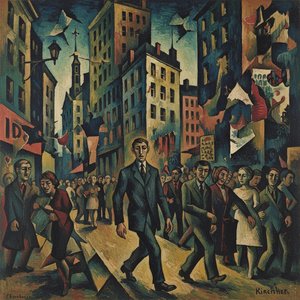
Ernst Ludwig Kirchner: Expressionism's Urban Anxiety & the Fragmentation of Modern Identity
Explore the powerful world of Ernst Ludwig Kirchner and German Expressionism. Discover his iconic paintings, Die Brücke group, and the movement's exploration of urban anxiety & modern identity. Expert analysis for collectors & enthusiasts.
The Visceral Cry of a Nation: Exploring Emotion & Distortion in German Expressionism
Explore the powerful world of German Expressionism with OriginalUniqueArt. Discover Kirchner, Nolde & Die Brücke's emotive masterpieces. Learn about this pivotal art movement and its lasting impact on modern art.
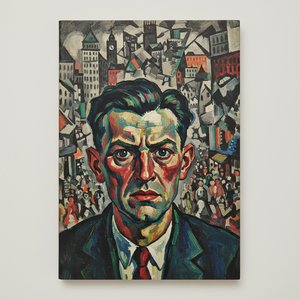
The Vibrant World of Ernst Ludwig Kirchner: A Definitive Guide to German Expressionism
Explore the raw emotion of German Expressionism through a definitive guide to Ernst Ludwig Kirchner. Discover how his bold colors and distorted forms redefined modern art history, from Berlin street scenes to iconic masterpieces.
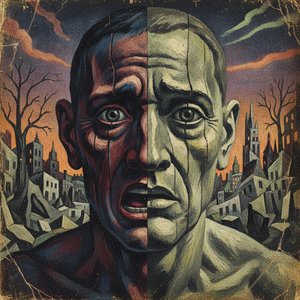
Unmasking Emotion: A Definitive Guide to the Raw Power and Visceral Beauty of German Expressionism
Explore the visceral power of German Expressionism. From Ernst Ludwig Kirchner to Die Brücke, discover how bold colors and distorted forms unmask raw human emotion in this expert art history guide for collectors and enthusiasts.

German Expressionism's 10 Defining Masterpieces | Art for Your Home
Explore 10 defining German Expressionism masterpieces – from Munch's 'The Scream' to Kandinsky’s abstracts. Discover the artists, stories & bold colors behind this powerful art movement. Find museum-quality reproductions at OriginalUniqueArt.com.


