텍스트 크기

() ·

당신만을 위해 손으로 직접 그린 그림

Dancing Mary Wigman

핸드메이드 유화 복제화

작가가 직접 캔버스에 손으로 그린 유화 작품으로, 원하는 크기와 액자로 맞춤 제작해 드립니다. ( 프린트 판매로 전환 디지털 이미지로 전환)

수집품 상세 설명

Kirchner’s "Dancing Mary Wigman" – a striking woodcut capturing movement & expressionism. Explore this 1933 masterpiece by the German artist, perfect for art collectors.

작가 프로필

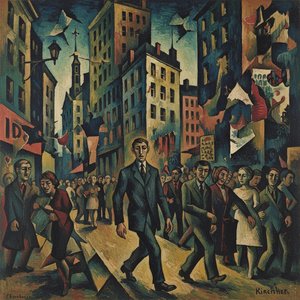
경식은 독일 표현주의의 핵심 인물로 디 브뤼케 그룹의 공동 창립자로서 도시 풍경과 누드 그림 등 강렬한 감정 표현이 특징인 작품들을 통해 초기 20세기 미술에 큰 영향력을 미쳤습니다. 그의 예술적 스타일은 독특하며, 색상과 기법을 활용하여 인간 내면의 불안과 고뇌를 효과적으로 전달했습니다.

~부터 ·

제1장

어느 정도 크기가 적당할까요?

슬라이드를 움직여 크기를 변경해 보세요. 왼쪽의 이미지는 프레임의 실제 너비를 보여줍니다. 원작의 비율은 그대로 유지됩니다.

표준 규격
맞춤형
CM
INCH

작품의 원본 비율을 그대로 유지하는 프리셋 사이즈 중에서 선택해 보세요.

가로 너비
세로 길이

액자나 벽면 크기에 맞춰 필요한 가로와 세로 길이를 입력해 주세요. 본 작품은 수작업으로 제작되므로, 요청하신 비율에 따라 작가가 그림의 가장자리를 조금 더 넓게 그리거나 일부를 조정하여 작업할 수 있습니다. 작업 시작 전, 최종 확인을 위해 디지털 목업 이미지를 보내드립니다. 이 페이지에 표시된 이미지는 실제 결과물과 다를 수 있으며, 오직 목업 이미지만이 정확한 결과물을 보여줍니다.

제2장

어떤 방식으로 배송받기를 원하시나요?

캔버스 옆면 스타일 선택

프레임을 선택하세요

Corner sample of the WhiteWrap canvas edge finish, stretched on 원목 bars
화이트 테두리 ₩1
Corner sample of the BlurSideWrap canvas edge finish, stretched on 원목 bars
블러사이드 ₩1
Corner sample of the ExtendedWrap canvas edge finish, stretched on 원목 bars
옆면 확장형 ₩1
Corner sample of the P118B picture frame: 성형 폴리스티렌, 5 cm wide and 3 cm thick
P118B ₩10
Corner sample of the P118H picture frame: 성형 폴리스티렌, 5 cm wide and 3 cm thick
P118H ₩10
Corner sample of the P118W picture frame: 성형 폴리스티렌, 5 cm wide and 3 cm thick
P118W ₩10
Corner sample of the P438Z picture frame: 성형 폴리스티렌, 5.5 cm wide and 3.5 cm thick
P438Z ₩10
Corner sample of the P508JH picture frame: 성형 폴리스티렌, 7 cm wide and 3.5 cm thick
P508JH ₩12
Corner sample of the P508YH picture frame: 성형 폴리스티렌, 7 cm wide and 3.5 cm thick
P508YH ₩12
Corner sample of the P805H picture frame: 성형 폴리스티렌, 5 cm wide and 3.5 cm thick
P805H ₩10
Corner sample of the P805Z picture frame: 성형 폴리스티렌, 5 cm wide and 3.5 cm thick
P805Z ₩10
Corner sample of the P919BZ picture frame: 성형 폴리스티렌, 7 cm wide and 3.5 cm thick
P919BZ ₩10
Corner sample of the P919G picture frame: 성형 폴리스티렌, 7 cm wide and 3.5 cm thick
P919G ₩10
Corner sample of the P919XJ picture frame: 성형 폴리스티렌, 7 cm wide and 3.5 cm thick
P919XJ ₩10
Corner sample of the P959ZH picture frame: 성형 폴리스티렌, 5 cm wide and 3 cm thick
P959ZH ₩10
Corner sample of the P968JZ picture frame: 성형 폴리스티렌, 6 cm wide and 4 cm thick
P968JZ ₩12
Corner sample of the W106C picture frame: 원목, 5 cm wide and 3 cm thick
W106C ₩8
Corner sample of the W218G picture frame: 원목, 5 cm wide and 3 cm thick
W218G ₩10
Corner sample of the W218JH picture frame: 원목, 5 cm wide and 3 cm thick
W218JH ₩8
Corner sample of the W218Y picture frame: 원목, 5 cm wide and 3 cm thick
W218Y ₩10
Corner sample of the W307PJ picture frame: 원목, 6 cm wide and 3 cm thick
W307PJ ₩10
Corner sample of the W316G picture frame: 원목, 6 cm wide and 3 cm thick
W316G ₩10
Corner sample of the W316PJ picture frame: 원목, 6 cm wide and 3 cm thick
W316PJ ₩8
Corner sample of the W316Y picture frame: 원목, 6 cm wide and 3 cm thick
W316Y ₩10
Corner sample of the W398PJ picture frame: 원목, 5 cm wide and 3 cm thick
W398PJ ₩8
Corner sample of the W4111J picture frame: 원목, 6.5 cm wide and 3.5 cm thick
W4111J ₩10
Corner sample of the W500HY picture frame: 원목, 7 cm wide and 5 cm thick
W500HY ₩15
Corner sample of the W500JH picture frame: 원목, 7 cm wide and 5 cm thick
W500JH ₩15
Corner sample of the W692G picture frame: 원목, 8 cm wide and 4 cm thick
W692G ₩12
Corner sample of the W849H picture frame: 원목, 5 cm wide and 3 cm thick
W849H ₩8
Corner sample of the W940BG picture frame: 원목, 7.5 cm wide and 4.5 cm thick
W940BG ₩15
Corner sample of the W953PJ picture frame: 원목, 6 cm wide and 3.5 cm thick
W953PJ ₩8
Corner sample of the H24-GOLD picture frame: 젯소 처리를 한 조각 목재, 10 cm wide and 6 cm thick
H24-GOLD ₩30
Corner sample of the H24-SILVER picture frame: 젯소 처리를 한 조각 목재, 10 cm wide and 6 cm thick
H24-SILVER ₩30
Corner sample of the H36-GOLD picture frame: 젯소 처리를 한 조각 목재, 15 cm wide and 6.5 cm thick
H36-GOLD ₩45
Corner sample of the H36-SILVER picture frame: 젯소 처리를 한 조각 목재, 15 cm wide and 6.5 cm thick
H36-SILVER ₩45

몰딩: . 액자 포함 전체 크기: .

제3장

누가 그리며, 변경해야 할 사항이 있나요?

변경 가능한 예시: 얼굴을 고객의 사진으로 교체, 반려동물 추가 (예: 고양이를 강아지로 변경), 배경에 숨겨진 메시지 포함, 배경 풍경 또는 요소 변경.
주문 완료 후, OriginalUniqueArt.com 팀에서 상세 안내를 위해 고객님께 이메일을 보내드리며, 시안 미리보기를 제공해 드립니다.

전 세계 배송()은 표준 5주 대신 3~4주 내에 완료됩니다. (3 11월). 품질에는 어떠한 타협도 하지 않습니다.

제4장

마지막 마무리 작업

박물관에 있는 것과 같은 명판을 원하시나요?

동판 각인 상세 정보

This elegant plaque features the artist's name and the title of the artwork, finely engraved for a timeless presentation.

It is made from bronze with a refined, elegant finish. The text is precisely laser-engraved for a sharp and permanent result. Measuring 9x2 cm, the plaque is compact yet easy to read. It's built to be durable and scratch-resistant, offering a professional, museum-quality look. Mounting is simple thanks to the included adhesive backing.

투명 아크릴 명판 상세 정보

The plaque includes essential engraved details such as the artist's name, the title of the artwork, the date it was created, the type of media used-like oil on canvas or watercolor-a brief description of the piece, and a QR code that links to the complete artwork information.

It is crafted from clear acrylic, offering a sleek, modern appearance. The text is UV-engraved in black to ensure strong visual contrast. With a size of 10x15 cm, it ensures optimal readability. It comes equipped with two metal hooks for secure wall mounting. The plaque is designed to be weather-resistant, making it suitable for various environments, and it includes interactive features that work seamlessly with smartphone scanning.

블랙 아크릴 명판 상세 정보

This elegant plaque includes engraved information such as the artist's name, the title of the artwork, the date it was created, the type of media used (like oil on canvas or watercolor), a short description of the artwork, and a QR code for quick access to more information.

The plaque itself is made from refined black acrylic with a premium finish. The text is laser-engraved in white for high contrast and readability. Its size is 10x15 cm, designed to be easy to read. It comes with two metal hooks for professional mounting. The design is sleek and fits any interior style. It is also weather-resistant and durable, with built-in digital integration for mobile compatibility.

보호용 바니시를 선택하시겠습니까?

언제 받기를 원하시나요?

제5장

주문하신 그대로의 작품

Dancing Mary Wigman

재현 기법

복제본 크기

-

엄선된 시니어 아티스트

더욱 세밀한 묘사와 정교함, 그리고 충분한 제작 시간

-

복제화 액자 구성

-

-

가로 또는 세로 중 어느 한 면이라도 105cm(약 41인치)를 초과하는 작품이나 복제화의 경우, 프레임은 분해된 키트 형태로 배송됩니다. 이는 안전한 배송을 보장하고 운송 중 발생할 수 있는 손상을 방지하기 위함입니다.

전문가 조립 권장 - 본 제품은 DIY용이 아닙니다.
해당 키트는 숙련된 전문 프레임 제작자가 목공용 풀(별도 구매), 캔버스 스트레칭 플라이어 및 풀이 마르는 동안 나무 틀의 수평을 유지할 클램프를 사용하여 캔버스를 팽팽하게 고정하고 조립해야 합니다. 잘못된 조립이나 불균형한 캔버스 장력은 작품에 영구적인 손상을 입힐 수 있으며, 이로 인한 손상은 보증 범위에 포함되지 않습니다.

  • 모든 원목 부재가 포함되어 있으며, 조립에 딱 맞게 정밀하게 재단되었습니다.

  • 제공된 나사와 함께, 별도로 준비해야 하는 모서리 접합부용 목공용 풀을 사용하여 조립합니다. (목공용 풀은 포함되어 있지 않으므로 제작자께서 직접 준비해 주셔야 합니다.)

  • 전문가용 도구가 필요하며 키트에 포함되어 있지 않습니다: 캔버스 스트레칭 플라이어(텐셔너)와 접착제가 마르는 동안 나무 틀의 수평을 유지하기 위한 클램프가 필요합니다.

주의사항:
모서리 접합부에는 목공용 풀이 필요하며, 풀이 완전히 마를 때까지 클램프로 바(bar)를 고정해야 합니다. 또한 조립된 프레임에 캔버스를 팽팽하게 당기려면 캔버스 스트레칭 플라이어가 필요합니다. 이 제품들 중 어느 것도 키트에 포함되어 있지 않습니다. 이 사이즈를 주문하시기 전에 숙련된 전문 액자 제작업체를 미리 섭외하시기 바랍니다.

작품 설명문

-

-

보호용 바니시

유광 바니시(색감을 선명하게 하며 빛과 습기로부터 보호함)

-

내 작품 맞춤 설정

변경 가능한 예시: 얼굴을 고객의 사진으로 교체, 반려동물 추가(예: 고양이를 강아지로 변경), 배경에 숨겨진 메시지 삽입, 배경 풍경 또는 요소 변경.

-

빠른 배송

전 세계 배송()은 기존 5주의 표준 기간 대신 3~4주 내에 완료됩니다. (3 11월). 품질에는 어떠한 타협도 하지 않습니다.

-

특급 배송

전 세계 배송(): 약 5주 소요 (10 11월).

포함됨

최종 결제 금액

₩ 402868

총 결제 금액 ₩ 402868

유리 옵션은 110cm 미만 크기에서만 선택 가능합니다.

모든 주문에 포함되는 혜택

  • 전 세계 무료 특급 배송
  • 프리미엄 린넨 캔버스
  • 배송 전 과정 보험 적용
  • 관세 및 수입세 환급 보장 서비스
  • 원본과 동일한 색상 구현 보장
  • 100일 이내 반품 정책 (결함 발생 시)
  • 100% 환불 보장
  • 다량 구매 할인 혜택

The Visceral Energy of Modern Movement

To stand before this depiction of Dancing Mary Wigman is to confront raw, unbridled energy captured in stark monochrome. It is not merely a portrait of a dancer; it is an embodiment of kinetic force, a moment wrested from the ephemeral nature of performance and rendered permanent through the unforgiving clarity of the woodcut medium. The figure seems caught mid-flight, her posture defying gravity with angular grace. Every line etched into this print pulses with life, suggesting a narrative of struggle, ecstasy, or profound liberation. This work speaks directly to the primal rhythms of the human body in motion, inviting the viewer not just to look, but to feel the rhythm beneath their own skin.

Expressionism's Bold Dialogue

Dating from 1933, this piece sits squarely within the powerful current of German Expressionism. Ernst Ludwig Kirchner, the master whose hand shaped this vision, channeled the anxieties and heightened emotional states of a rapidly changing world into his art. The style eschews academic polish for visceral truth. Observe how the forms are not rendered realistically but rather distilled into their most essential geometric components—sharp triangles, bold diagonals, and sweeping curves. This simplification is deliberate; it strips away the mundane veneer of reality to expose something more fundamental: pure feeling. It is an art that refuses comfort, demanding instead a passionate engagement with its emotional intensity.

The Power of Line and Woodblock Technique

Technically, the woodcut process dictates the artwork's dramatic vocabulary. The medium itself—the carving into wood and the subsequent transfer of ink—results in lines of breathtaking crispness and uncompromising strength. There is no subtle blending here; instead, shadow and volume are built through the juxtaposition of dense black areas against stark white voids. This high-contrast interplay creates an almost graphic tension across the surface. The implied texture comes from the density of these parallel or intersecting marks, giving the drapery and musculature a palpable weight, even as the overall composition feels weightless, suspended in motion.

Symbolism of Freedom and Form

The subject matter—the dancer—has always been a potent symbol throughout art history, but here it takes on an added layer of symbolic resonance. Mary Wigman’s dance, captured by Kirchner, transcends mere entertainment; it becomes an allegory for the modern spirit grappling with societal constraints. The outstretched limbs and leaning torso suggest a yearning for freedom, a breaking away from rigid structure. For collectors and designers alike, this piece offers more than just decoration; it is a potent talisman of vitality. Placing such a work in a space imbues it with intellectual energy, suggesting that the inhabitants value raw emotion and artistic rebellion.

Bringing Modern Drama Home

For those seeking an accent piece that speaks volumes without uttering a word, this reproduction offers unparalleled dramatic impact. Its vertical orientation makes it ideal for anchoring a hallway or serving as a powerful focal point above a console table. The stark black and white palette ensures its timeless modernity; it complements both minimalist contemporary interiors and richly decorated historical settings by virtue of its inherent graphic power. Owning this piece is acquiring a fragment of artistic history—a visceral echo of German modernism ready to electrify your space.

질의응답

에른스트 루드비히 키르슈너의 "Dancing Mary Wigman" 작품에 권장되는 인쇄 설정은 무엇인가요?

에른스트 루드비히 키르슈너의 "Dancing Mary Wigman" 작품은 Portrait 방향의 Medium 크기로 인쇄하는 것을 추천합니다.

에른스트 루드비히 키르슈너의 "Dancing Mary Wigman"의 휘도는 어느 정도인가요?

에른스트 루드비히 키르슈너의 "Dancing Mary Wigman"의 기록된 휘도는 Luminous입니다.

"Dancing Mary Wigman"을(를) 전체 화면 슬라이드쇼로 감상할 수 있나요?

에른스트 루드비히 키르슈너의 "Dancing Mary Wigman"은(는) 작품의 슬라이드쇼 페이지에서 슬라이드쇼로 감상하실 수 있습니다.

이 작품에 대해 더 알아보기

미리보기 AR로 미리보기 프린트 판매로 전환 디지털 이미지로 전환 공유하기
상세 정보 가이드 보기 즐겨찾기에 추가 다운로드 유사 작품 더 보기 X-레이 슬라이드 쇼 보기 질의응답 통계 정보


수치로 보는

  • 1933제작 연도
  • 29선택 가능한 프레임
  • 고유의 비율을 유지한 표준 사이즈
  • 5작품 제작 및 배송까지 수주 소요

에른스트 루드비히 키르슈너에 관한 주요 정보

  • Artistic Movement Or Style: 표현주의
  • Artists Who Influenced This Artist:
    • 알브레히트 뒤러
    • 빈센트 반 고흐
    • 에드바르트 먼히
  • Date Of Birth: 5월 6일 1880년
  • Date Of Death: 6월 15일 1938년
  • Full Name: Ernst Ludwig Kirchner
  • Nationality: 독일인
  • Notable Artworks:
    • 거리의 그림들
    • 춤추는 여성들
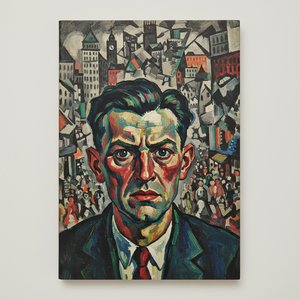
    • 자기 얼굴 초상화
  • Place Of Birth: 아슈바펜부르크 독일

작가 정보

Ernst Ludwig Kirchner (1880-1938): A Life Forged in Expression

Ernst Ludwig Kirchner, a name inextricably linked to the visceral heart of German Expressionism, wasn’t merely an artist; he was a conduit for anxieties simmering beneath the surface of early 20th-century Europe. Born into Bavaria's quiet countryside in 1880, his formative years instilled within him a profound awareness of displacement—a feeling that would become a cornerstone of his artistic vision. From Frankfurt’s bustling streets to Perlen’s serene lakes and finally settling in Chemnitz, Kirchner absorbed the unsettling pulse of industrializing Germany, shaping his worldview and informing his oeuvre. Initially pursuing architecture at Dresden University, he swiftly recognized painting as his true calling—a path fueled by admiration for masters like Albrecht Dürer and a resolute rejection of academic formalism. He found solace and camaraderie amongst fellow rebels – Fritz Bleyl, Karl Schmidt-Rottluff, Erich Heckel – forging bonds that would propel them to the forefront of artistic innovation.

The Genesis of Die Brücke: Seeking Artistic Liberation

Kirchner’s artistic journey gained momentum in 1905 with his founding membership of *Die Brücke* (“The Bridge”), an artistic collective determined to transcend the limitations of prevailing aesthetic conventions. This wasn't simply stylistic ambition; it represented a fundamental philosophical stance—a yearning for authenticity amidst the encroaching homogenizing forces of modernity. The group’s inspiration drew from sources often dismissed by the mainstream art world: primitive art from Africa and Oceania, mirroring the bold chromatic palettes championed by Vincent van Gogh, and delving into the unsettling psychological depths explored by Edvard Munch. Rejecting idealized beauty—the hallmark of Impressionism—they embraced distortion, jarring color combinations, and expressive brushwork to convey the pervasive anxieties associated with urban life and societal transformation. Kirchner’s early canvases pulsed with restless energy, reflecting the collective desire for liberation from artistic constraints. The studio became a crucible for experimentation, where social norms were challenged alongside established artistic traditions.

Early Influences & Artistic Style: Embracing Distortion

Kirchner's artistic style is immediately recognizable for its distinctive characteristics—a deliberate departure from academic conventions. He wielded color not as a faithful representation of reality but as an instrument to evoke emotional responses—often vibrant, non-naturalistic hues that heightened the sense of unease or intensity within his compositions. His brushstrokes were energetic and visible, contributing to the overall feeling of immediacy and raw emotion. Figures and objects frequently appeared distorted or elongated, mirroring Kirchner’s subjective perception of the world rather than striving for objective accuracy. This stylistic choice wasn't arbitrary; it stemmed from a deep engagement with artistic precedents—particularly Dürer’s meticulous detail contrasted against Munch’s haunting psychological exploration. He absorbed influences from Henri Matisse and Vincent van Gogh, embracing bold color palettes and simplified forms as tools to express profound emotional truths. The group’s fascination with primitive art – specifically African sculpture – further fueled Kirchner's stylistic explorations, prompting him to adopt a technique characterized by rough-hewn surfaces and partially painted textures.

Berlin Street Scenes & Psychological Depth: Capturing Modern Anxiety

Kirchner’s artistic output powerfully documented the anxieties of his time—the alienation, anonymity, and overwhelming scale of urban existence that defined the burgeoning metropolis of Berlin during the early 20th century. Paintings like *The Street* (1908) aren't merely depictions of cityscape; they are portraits of psychological states—capturing the frenetic energy and emotional detachment experienced by individuals navigating a rapidly changing social landscape. He eschewed sentimental idealism, confronting uncomfortable truths about human experience with unflinching honesty. His canvases conveyed a palpable sense of unease—a reflection of his own internal struggles and a broader preoccupation with existential questions. Kirchner’s masterful use of color and brushwork created an immersive visual experience that mirrored the psychological complexity he sought to portray.

Legacy & Recognition: A Troubled Genius

Kirchner's artistic legacy extends far beyond his immediate contemporaries—inspiring generations of artists who embraced Expressionism as a means of confronting societal anxieties and exploring the depths of human emotion. Despite facing persecution during the Nazi era—over 600 of his works confiscated and deemed “degenerate”—Kirchner’s unwavering commitment to artistic truth endured. Tragically, he succumbed to illness in Davos, Switzerland, in 1938—a poignant end to a life marked by both creative brilliance and profound personal turmoil. Nevertheless, Ernst Ludwig Kirchner remains an enduring symbol of German Expressionism—his canvases continue to resonate with audiences worldwide, serving as a testament to the transformative power of art to illuminate the human condition and challenge conventional perspectives. His influence can be seen in countless subsequent artistic endeavors, cementing his place as one of the most significant figures in 20th-century art history.

작품 정보 요약

  • Medium: Woodcut print
  • Artist: Ernst Ludwig Kirchner
  • Artistic style: Expressionism
  • Notable elements or techniques: Bold lines, geometric shapes

예술 상식 퀴즈

각 질문의 정답은 하나뿐입니다.

질문 1:
What artistic movement is most closely associated with the style of 'Dancing Mary Wigman'?
질문 2:
What primary technique was used to create the artwork 'Dancing Mary Wigman'?
질문 3:
The composition of the artwork emphasizes which visual element through its dynamic pose?
질문 4:
Ernst Ludwig Kirchner, the artist, is known for his connection to which artistic period?
질문 5:
In terms of visual representation, how is depth primarily achieved in this artwork?