
 유화 원작 구매
 Panic Terror에 관한 모든 것

































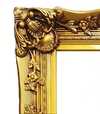
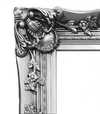

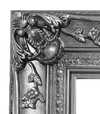


 가로 또는 세로 중 어느 한 면이라도 105cm(약 41인치)를 초과하는 작품이나 복제화의 경우, 프레임은 분해된 키트 형태로 배송됩니다. 이는 안전한 배송을 보장하고 운송 중 발생할 수 있는 손상을 방지하기 위함입니다.


Identification of Panic Terror by Ernst Barlach
In 1912, the sculptor Ernst Barlach carved a moment of raw friction into Baltic birch. The work, titled Panic Terror, captures a sudden, violent collision between two human forms. It is a physical knot of resistance and weight. The wood bears the marks of a struggle that feels both immediate and ancient.
This sculpture by Ernst Barlach emerged from a period of mounting tension in Europe. The figures are locked in a desperate, intertwined dance of power and vulnerability. One man dominates the other, their bodies pressed together in a heavy, wooden embrace. The grain of the birch follows the tension of their limbs. It is a study of the human body under the pressure of sudden, overwhelming force.
The piece exists as a quiet, heavy presence. It holds the weight of a single, sharp breath caught in the throat. The struggle is frozen in the grain.
Composition and Visual Elements of the Work
Two men are locked in a brutal struggle. One figure dominates the other, pressing down from above. They are intertwined in a heavy, physical wrestling match. Both men wear coats that cling to their moving forms. The second man is caught in a moment of visible distress. Their bodies create a knot of resistance and weight.
The interaction is a sudden, sharp collision of limbs and intent. Every gesture captures the raw intensity of their combat. The scene is set against a plain white wall. This neutral backdrop pushes the dark, heavy shapes of the figures forward. The struggle exists in a vacuum of light and shadow. A quiet tension remains in the stillness of the wood.
Materials and Artistic Technique Used
The sculpture is carved from Baltic birch. This wood carries a raw, tactile quality that anchors the figures in a physical reality. The grain of the timber meets the sharp edges of the struggle. Every notch in the grain follows the tension of the wood.
Subtractive carving defines the form. The artist removed material to reveal the underlying structure of the two men. This method emphasizes the contours of the bodies and the weight of their movement. The Expressionist style rejects smooth, idealized surfaces. Instead, the work relies on distorted forms and exaggerated musculature to convey a sense of inner turmoil. The wood is shaped by what is taken away.
Exhibition History and Collections
The wooden figures have moved through several significant stages of public viewing. In 1913, the sculpture was presented at the 26. Ausstellung der Berliner Secession. It later traveled to the 25. Biennale Venedig in 1950. These appearances placed the struggle of the carved wood before international audiences, far beyond its initial creation.
The work is held within the Staatliche Kunsthalle Karlsruhe collection. It has been documented in scholarly records, including the 1994 Katalog der Skulpturen. The grain of the Baltic birch remains preserved within these institutional walls. A quiet weight remains in the wood.
Related Works by Ernst Barlach
The artist’s hand moved through many forms, seeking the weight of the human condition. Early in his development, he produced Die Krautpflückerin, a major sculpture that signaled his emerging voice. This path led toward the heavy, emotional resonance found in works like The Singing Man. These figures carry a specific gravity, a sense of being anchored to the earth through their very substance.
Symbolism often took shape through the tension of the body. In Frenzy (Der Berserker), the physical form becomes a vessel for deeper meaning, much like the Shepherd in a Storm. These works do not merely occupy space; they inhabit it with a quiet, heavy presence. The wood and bronze hold the memory of the struggle within their grain.
The shadow of conflict eventually darkened his output. Following his time as an infantry soldier, his sculptures turned toward the visceral pain of war. Der Rächer emerged as a powerful anti-war sculpture, a response to the devastation he witnessed. The shapes remain sharp, stripped of ornament, leaving only the essential ache of existence. A single, silent shadow remains.
질의응답
Panic Terror은(는) 수작업으로 그린 작품인가요, 아니면 프린트된 작품인가요?
수작업 제작: 숙련된 화가가 Panic Terror을(를) 리넨 캔버스 위에 유화로 재현합니다.
Panic Terror의 사이즈는 어떤 것을 선택해야 하나요?
사이즈는 31.3 x 32.0 cm (₩292385)부터 237.1 x 242.1 cm (₩3102753)까지 있으며, 이 페이지의 표에 주요 단계별 가격이 안내되어 있습니다.
배송은 얼마나 걸리나요?
배송은 전 세계 무료 특송으로 4~5주가 소요되며, 본 페이지에서 긴급 제작 옵션을 선택하실 수 있습니다. 제품은 조건 없이 100일 이내에 반품하여 전액 환불받으실 수 있습니다.
Panic Terror 원본은 어디에 있나요?
원본은 카를스루에에 위치한 Staatliche Kunsthalle Karlsruhe 소장품입니다.
Ernst Barlach 작가는 Panic Terror 작품에 어떤 재료를 사용했나요?
Wood
 공유하기
 공유하기
 상세 정보
 학습용 요약본


 다운로드
 유사 작품 더 보기
 슬라이드 쇼 보기
 질의응답

 통계 정보


