

 미리보기
미리보기
 공유하기
공유하기 공유하기
공유하기
 상세 정보
상세 정보

 다운로드
다운로드
 유사 작품
유사 작품 X-레이
X-레이 슬라이드 쇼
 통계 정보
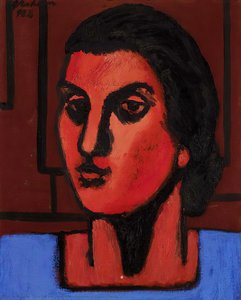
통계 정보Profile and Hat
 1942
1942 61.0 x 50.0 cm
Discover Englan John Graham’s evocative paintings – poignant portraits & landscapes exploring human emotion & memory. Explore his unique style & legacy.
 더 보기
더 보기
수제 유화 복제품
원하는 크기와 액자로 주문 제작되는, 작가들이 직접 캔버스에 손으로 그린 유화 작품입니다. ( 프린트 판매로 전환 디지털 이미지로 전환)




































표준 규격
맞춤형
CM
INCH
작품의 원본 비율을 유지하는 미리 설정된 크기 중에서 선택하세요.
Loading sizes...

가로 너비
세로 길이
특정 프레임이나 공간에 맞도록 직접 크기를 입력할 수 있습니다. 선택하신 크기가 원본 이미지의 비율과 일치하지 않는 경우, 작품을 자르거나 추가적인 손으로 그린 요소를 사용하여 그림을 확장합니다. 제작 시작 전 승인을 위해 디지털 목업을 보내드립니다.
화면 미리 보기는 실제 자르기 또는 확장을 반영하지 않습니다. 최종 구성은 목업을 통해서만 정확하게 확인하실 수 있습니다.
맞춤 크기 제작도 가능하지만, 원본 비율을 유지하기 위해 사전 정의된 목록에서 크기를 선택하시는 것을 권장합니다.
변경 가능한 예시: 얼굴을 고객의 사진으로 교체, 반려동물 추가(예: 고양이를 강아지로 변경), 배경에 숨겨진 메시지 삽입, 배경 풍경 또는 요소 변경 등
주문 후 OriginalUniqueArt.com 팀에서 상세 안내를 위해 고객님께 이메일을 보내드리며, 미리보기 시안을 제공해 드립니다.
주문 후 OriginalUniqueArt.com 팀에서 상세 안내를 위해 고객님께 이메일을 보내드리며, 미리보기 시안을 제공해 드립니다.


 유리 옵션은 110cm 미만 크기에서만 선택 가능합니다.

Profile and Hat
재현 기법
복제본 크기
-


최종 결제 금액
$ 300
작가 약력
A Life Forged in Revolution: The Enigmatic Journey of Englan John Graham
Englan John Graham, a name that resonates with both captivating artistry and an aura of compelling mystery, was more than just a painter; he was a cultural conduit, a philosophical provocateur, and a pivotal figure in the American modernist landscape. Born Ivan Gratianovitch Dombrowsky in Kyiv, Ukraine, around 1887 (the exact year shrouded in conflicting documentation), his early life was steeped in aristocratic lineage and classical education. He graduated from the University of Kyiv with a law degree, but fate – or perhaps an inherent artistic calling – steered him toward a path far removed from legal pursuits. His initial foray into painting came relatively late, only beginning to study seriously in his thirties, yet he embraced the discipline with fervent dedication. The tumultuous backdrop of revolution and political upheaval profoundly shaped his worldview, leading to imprisonment by Bolshevik forces after the assassination of Czar Nicholas II. This experience fueled a desperate flight for freedom, eventually landing him in New York City in 1920 alongside his second wife, Vera. It was here that Ivan Dombrowsky transformed into John Graham, an identity consciously crafted and imbued with a new artistic purpose.From Figurative Roots to Abstract Expressionist Mentor
Graham’s artistic development wasn't linear; it was a dynamic evolution marked by bold experimentation and intellectual curiosity. Initially drawn to the figurative tradition, he quickly immersed himself in the burgeoning modernist movements sweeping across Europe. He became a voracious collector, amassing an impressive array of works that exposed him to Cubism, Surrealism, and other avant-garde styles. However, Graham didn’t simply mimic these trends; he synthesized them with his own unique sensibility, creating paintings characterized by expressive brushwork, vibrant color palettes, and a palpable emotional intensity. His work from the 1940s and 50s saw a return to figuration, but one radically different from traditional approaches. He depicted Russian soldiers in compositions that were both powerful and unsettling, imbued with a sense of psychological depth and historical weight. Crucially, Graham wasn’t merely an artist practicing in isolation. He became a magnetic figure within the New York art scene, establishing himself as a mentor to a generation of artists who would come to define Abstract Expressionism.The Systematizer: A Theory of Art and Influence
Graham’s influence extended far beyond his own canvases. He developed what he termed a “system” for understanding art, a complex theoretical framework that sought to identify the underlying principles governing artistic creation across cultures and time periods. This system, though often debated and criticized, profoundly impacted artists like Jackson Pollock, Willem de Kooning, Mark Rothko, and Clyfford Still. He encouraged them to look beyond surface appearances, to delve into the psychological and emotional foundations of art-making. He championed a rejection of conventional representation in favor of exploring pure form and color as vehicles for expressing inner states. His legendary salon became a hub for intellectual exchange, where these young artists could challenge established norms and forge their own artistic paths. While his own work sometimes struggled to gain the same level of recognition as those he mentored, his role as a catalyst and intellectual guide remains undeniable.Legacy and Historical Significance
Englan John Graham’s historical significance lies not solely in his paintings but also in his profound impact on the trajectory of American art. He served as a crucial bridge between European modernism and the emergence of Abstract Expressionism, fostering an environment where radical experimentation could flourish.- His collection introduced a new generation of artists to groundbreaking works from across the globe.
- His theoretical writings challenged conventional notions of artistic representation.
- His mentorship provided invaluable guidance and encouragement to some of the most important artists of the 20th century.
주요 정보
- Artistic Movement Or Style: Post-Impressionism
- Artists Or Movements Influenced By This Artist: ['New York Art World']
- Artists Who Influenced This Artist: ['Raphael']
- Date Of Birth: January 8, 1887
- Date Of Death: June 27, 1961
- Full Name: Ivan Gratian Dabrowsky Graham
- Nationality: Ukrainian-born American
- Notable Artworks:
- Woman Seated on a Marble Block
- (Untitled)
- Exotic Portrait of a Woman
- Place Of Birth: Kyiv, Ukraine