
 미리보기
미리보기
 공유하기
공유하기 공유하기
공유하기
 상세 정보
상세 정보

 다운로드
다운로드
 유사 작품
유사 작품 X-레이
X-레이 슬라이드 쇼
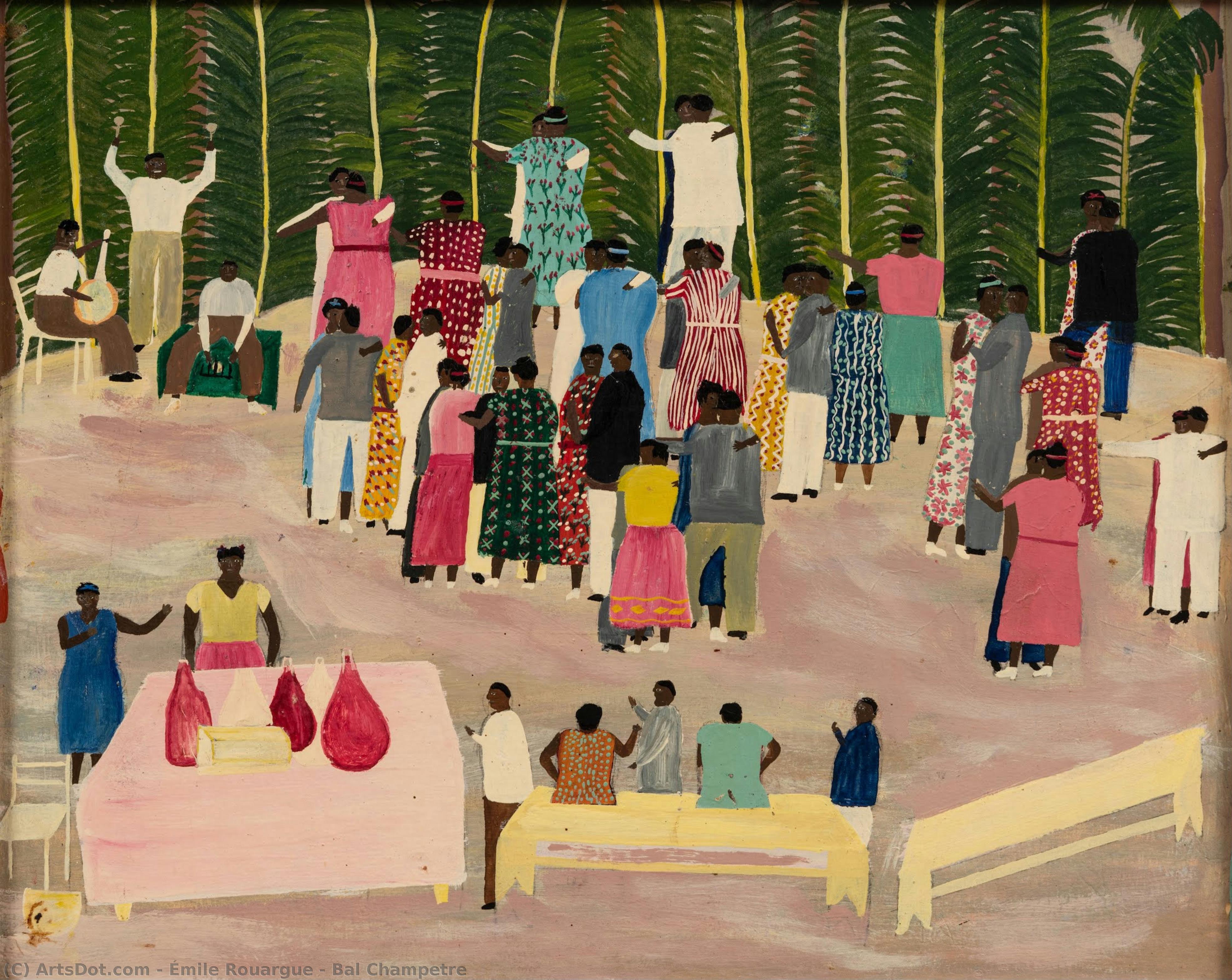
Bal Champetre


 더 보기
더 보기
수제 유화 복제품
원하는 크기와 액자로 주문 제작되는, 작가들이 직접 캔버스에 손으로 그린 유화 작품입니다. ( 프린트 주문으로 전환 이미지로 전환)




P118B $10

P118H $10

P118W $10

P438Z $10

P508JH $12

P508YH $12

P805H $10

P805Z $10

P919BZ $10

P919G $10

P919XJ $10

P959ZH $10

P968JZ $12

W106C $8

W218G $10

W218JH $8

W218Y $10

W307PJ $10

W316G $10

W316PJ $8

W316Y $10

W398PJ $8

W4111J $10

W500HY $15

W500JH $15

W692G $12

W849H $8

W940BG $15

W953PJ $8




작품의 원본 비율을 유지하는 미리 설정된 크기 중에서 선택하세요.

특정 프레임이나 공간에 맞도록 직접 크기를 입력할 수 있습니다. 선택하신 크기가 원본 이미지의 비율과 일치하지 않는 경우, 작품을 자르거나 추가적인 손으로 그린 요소를 사용하여 그림을 확장합니다. 제작 시작 전 승인을 위해 디지털 목업을 보내드립니다.
화면 미리 보기는 실제 자르기 또는 확장을 반영하지 않습니다. 최종 구성은 목업을 통해서만 정확하게 확인하실 수 있습니다.
맞춤 크기 제작도 가능하지만, 원본 비율을 유지하기 위해 사전 정의된 목록에서 크기를 선택하시는 것을 권장합니다.
주문 후 OriginalUniqueArt.com 팀에서 상세 안내를 위해 고객님께 이메일을 보내드리며, 미리보기 시안을 제공해 드립니다.


 유리 옵션은 110cm 미만 크기에서만 선택 가능합니다.

Bal Champetre
재현 기법
복제본 크기
-


최종 결제 금액
$ 300
작가 약력
The Architectural Visions of Émile Rouargue
Émile Jean Horace Vernet, known as émile rouargue (Paris, 1796 – Epône, 1865), occupies a fascinating niche in the history of 19th-century French printmaking. Though not a household name like some of his contemporaries, Rouargue and his brother Adolphe carved out a significant space for themselves with their captivating engravings of architectural fantasies and meticulously detailed cityscapes. Their work wasn’t born from direct observation alone; it was an imaginative synthesis of real places, historical styles, and a burgeoning romantic sensibility that resonated deeply with the public.
Rouargue's career unfolded during a period of rapid social and artistic change. The Napoleonic era had recently concluded, leaving France eager to rebuild—both physically and culturally. The rise of the middle class created a new market for affordable art, and printmaking flourished as a means of disseminating images widely. While many artists focused on historical or allegorical subjects, Rouargue found success in depicting the built environment, albeit often an idealized or imagined one. He wasn’t simply documenting existing structures; he was constructing visions of grandeur, order, and beauty.
A Collaborative Practice: Rouargue Frères
The story of Émile Rouargue is inextricably linked to that of his brother, Adolphe. Together they formed a highly effective artistic partnership, dividing labor and complementing each other’s skills. While the precise nature of their collaboration remains somewhat unclear—it's often difficult to attribute specific works definitively to one brother or the other—they operated as “Rouargue Frères,” presenting a unified front to the art market. Their engravings were frequently published in periodicals, reaching a broad audience hungry for visual stimulation and escapism. This accessibility was key to their popularity; they weren’t catering to an elite clientele but rather to a growing segment of society that valued both artistry and affordability.
The British Museum holds several examples of their work, attesting to the international reach of their engravings. These prints often showcase elaborate architectural designs—palaces, churches, public squares—populated with figures engaged in everyday life. The level of detail is remarkable, capturing not only the broad forms of buildings but also the textures of stone, the play of light and shadow, and the nuances of human interaction. It’s this attention to detail that lends their work a sense of realism, even when depicting fantastical scenes.
Themes and Techniques
Rouargue's engravings are characterized by several recurring themes. A fascination with classical architecture is evident in many of his works, reflecting the enduring influence of ancient Greece and Rome on French artistic taste. He frequently depicted European cities—Paris, Venice, Rome—but often infused them with an idealized quality, removing blemishes and emphasizing their most picturesque aspects. The architectural fantasies are particularly striking, showcasing elaborate designs that blend different styles and create a sense of otherworldly beauty.
Technically, Rouargue was a skilled engraver, employing precise lines and subtle shading to create depth and texture. His work demonstrates a mastery of the engraving process, allowing him to translate complex compositions onto paper with remarkable clarity. The use of light and shadow is particularly effective, creating a sense of drama and atmosphere. He often utilized cross-hatching and stippling techniques to build up tonal values and add visual interest.
Legacy and Historical Significance
While Émile Rouargue may not be as widely recognized today as some of his more famous contemporaries, his work offers a valuable glimpse into the artistic sensibilities of 19th-century France. His engravings reflect the era’s fascination with architecture, its romantic yearning for beauty and order, and its growing demand for affordable art. The collaborative nature of his practice—working alongside his brother Adolphe—also speaks to the dynamics of the art market during this period.
Rouargue's legacy lies in his ability to create captivating visions of the built environment that resonated with a broad audience. His work wasn’t simply about documenting reality; it was about constructing idealized worlds, offering escapism and inspiration to those who sought it. Today, his engravings remain a testament to the enduring power of printmaking and the artistic imagination.

émile rouargue
1796 - 1865 , France
주요 정보
- Artistic Movement Or Style: Engraving, Illustration
- Date Of Birth: 1796
- Date Of Death: 1865
- Full Name: Émile Rouargue
- Nationality: French
- Place Of Birth: Paris, France
관련 기사 더 보기

The Rhythmic Canvas: Exploring Representations of Dance Across Art History
Explore the captivating history of dance in art! From Degas' ballet scenes to abstract expressions, discover how artists have captured movement and cultural significance across time. Expert insights for collectors & enthusiasts.
Idyllic Visions: Exploring the Pastoral Tradition in Western Art – Themes, Techniques & Enduring Appeal
Explore the rich history of pastoral art from classical Arcadia to contemporary interpretations. Discover key artists, themes & collecting tips at OriginalUniqueArt.

Idyllic Visions: Exploring the Pastoral Scene in Art History – From Arcadia to Modern Interpretations
Explore the captivating history of pastoral art from classical Arcadia to modern masterpieces. Discover key artists like Millet & Cole at OriginalUniqueArt. Find serene landscape paintings for your home.

가츠시카 호쿠사이 최고 걸작 25선: 우키요에의 정수를 만나다 | OriginalUniqueArt
가츠시카 호쿠사이의 최고 걸작 25선을 만나보세요. 우키요에, 대판화 기법과 후지산 풍경의 아름다움을 담은 명작들을 감상하고, OriginalUniqueArt에서 고품질 아트 프린트와 인테리어 액자를 찾아보세요. 지금 바로 컬렉션을 탐험하세요!
르누아르 명작 25선: 빛과 색채로 물든 삶의 순간들 | OriginalUniqueArt
빛과 색채의 마법사 르누아르! 인상주의 대표 화가 르누아르의 명작 25선을 만나보세요. '물랭 드 라 갈레트', '우산 속의 소녀들' 등 시대를 초월하는 아름다움을 OriginalUniqueArt에서 감상하고, 특별한 공간을 완성하세요. 지금 바로 온라인 컬렉션을 탐험하세요!

