프린트 판매로 전환
 상세 보기
상세 보기







































 가로 또는 세로 중 어느 한 면이라도 105cm(약 41인치)를 초과하는 작품이나 복제화의 경우, 프레임은 분해된 키트 형태로 배송됩니다. 이는 안전한 배송을 보장하고 운송 중 발생할 수 있는 손상을 방지하기 위함입니다.


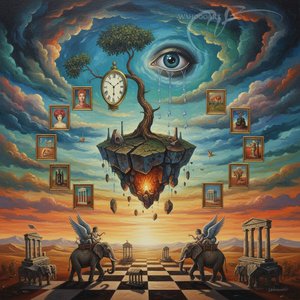
The Surrealist Echoes of “The Circus Collection”
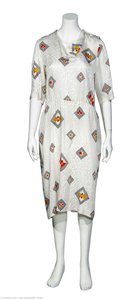
Elsa Schiaparelli’s “The Circus Collection,” debuting in Paris during the summer of 1938, stands as an emblem of her singular artistic vision—a defiant rejection of convention fused with a fascination for theatrical spectacle and unsettling beauty. More than just a fashion show; it was a meticulously crafted performance designed to shock and delight audiences accustomed to the polished elegance of established couture houses. Presented against the backdrop of escalating anxieties surrounding the impending Second World War, Schiaparelli’s collection served as an audacious assertion of artistic freedom—a bold declaration that creativity could transcend political pressures. The influence of Surrealism permeated every aspect of its conception, from the whimsical motifs adorning the garments to the deliberate manipulation of textures and forms. This collaboration between Schiaparelli and Salvador Dalí cemented her reputation as a pioneer of visual experimentation, propelling her into the forefront of European avant-garde culture.- Subject Matter: The collection’s central theme revolved around the circus—a realm of illusion, transformation, and primal instinct. Schiaparelli skillfully employed imagery associated with acrobats, elephants, tents, clowns, and performers to evoke a sense of dynamism and theatrical grandeur.
- Style: Surrealist aesthetics dominated the aesthetic sensibilities of “The Circus Collection.” The designs eschewed traditional silhouettes, favoring asymmetrical shapes and exaggerated proportions that challenged conventional notions of femininity. Schiaparelli’s penchant for trompe l'œil—optical illusions designed to deceive the eye—was particularly evident in the fabric prints and embellishments.
- Technique: The fabrics utilized in “The Circus Collection” were chosen with deliberate care, reflecting Schiaparelli’s commitment to textural contrast and innovative craftsmanship. Silk twill was employed as the primary material for the dresses and jackets, providing a sturdy foundation for intricate embroidery and appliqué techniques. Metallic thread—particularly gold—was extensively incorporated into the embellishments, lending an opulent sheen that amplified the collection's theatrical impact.
Symbolism: Horses, Transformation, and Illusion
The recurring motif of rearing horses—rendered in shades of blue embellished with metallic thread—served as a potent symbol within “The Circus Collection.” Horses traditionally represent strength, nobility, and untamed spirit—qualities Schiaparelli sought to embody through her designs. Furthermore, the horse’s upward gaze conveyed a sense of aspiration and transcendence—a visual allusion to Dalí's fascination with metamorphosis and transformation. The trompe l'œil fabric prints—featuring stylized depictions of acrobats and performers—reinforced this thematic preoccupation with illusion and deception. Schiaparelli deliberately manipulated perspective and scale to create optical illusions that blurred the boundaries between reality and fantasy, mirroring the Surrealist impulse to destabilize viewers’ perceptions.- Horses: Representing strength and nobility, the horses were embroidered in shades of blue embellished with metallic thread—a deliberate choice to convey aspiration and transcendence.
- Trompe l'œil Prints: Schiaparelli employed optical illusions to create a sense of disorientation and wonder—reflecting Surrealist principles of destabilizing viewers’ perceptions.
- Fabric Texture: The silk twill fabric was chosen for its textural contrast, enhancing the collection’s visual richness and amplifying its theatrical impact.
Emotional Impact: Shocking Beauty and Artistic Rebellion
“The Circus Collection” aimed to provoke an emotional response in viewers—challenging their expectations of haute couture and affirming Schiaparelli's unwavering conviction that art could transcend societal norms. The collection’s audacious color palette—dominated by vibrant hues like magenta and turquoise—contributed to its arresting visual appeal. More importantly, Schiaparelli’s designs communicated a palpable sense of rebellion against convention—a defiant assertion of artistic freedom in the face of prevailing cultural pressures. By embracing Surrealist aesthetics and employing innovative techniques, Schiaparelli created garments that captivated audiences with their unsettling beauty and intellectual provocation. The collection remains an enduring testament to Schiaparelli's pioneering spirit—a celebration of imagination and a rebuke to complacency.Concluding Remarks: A Legacy of Surrealist Innovation
Ultimately, “The Circus Collection” solidified Elsa Schiaparelli’s position as one of the foremost figures in 20th-century fashion—a visionary designer who irrevocably altered the landscape of haute couture. Her collaboration with Dalí—characterized by a shared commitment to visual experimentation and intellectual provocation—established her reputation as a champion of Surrealist ideals. As a result, Schiaparelli’s work continues to inspire artists and designers today—serving as an enduring reminder that true creativity resides in challenging established conventions and embracing the transformative power of imagination.질의응답
"The Circus Collection"에 대한 가이드는 어디에서 확인할 수 있나요?
"The Circus Collection"에 대한 안내는 작품의 가이드 페이지에서 확인하실 수 있습니다. 이 페이지는 작품의 캡션, 크레딧, 그리고 상세 정보 표(작가, 제작 연도, 재료, 원본 크기, 소장처)를 포함하여 출력 가능한 형태의 팩트시트로 제공됩니다.
엘사 스키아파렐리의 "The Circus Collection"에는 어떤 색상 팔레트가 사용되었나요?
엘사 스키아파렐리의 "The Circus Collection"의 색채 구성은 Neutrals로 설명됩니다. 이는 작품에 사용된 색상들을 간결하게 묘사한 것입니다.
"The Circus Collection"은(는) 무엇에 관한 작품인가요?
"The Circus Collection"의 소재는 fashion, surrealism, haute couture, elsa schiaparelli, dalí collaboration, jewelry, circus theme입니다.
More about this painting
 실제 크기로 보기
 보내기
보내기 공유하기
공유하기
 상세 보기
상세 보기 가이드 보기

 이미지 다운로드
 유사 작품 더 보기
 X-레이
X-레이 슬라이드 쇼 보기
 Q&A
Q&A 통계 정보
통계 정보