

 미리보기
미리보기
 공유하기
공유하기 공유하기
공유하기
 상세 정보
상세 정보

 다운로드
다운로드
 유사 작품
유사 작품 X-레이
X-레이 슬라이드 쇼
Fruit
 더 보기
더 보기
지클레 / 아트 프린트
빠른 제작과 다양한 마감 옵션을 제공하는 박물관 품질의 지클레이 또는 캔버스 프린트. ( 손으로 그린 그림 구매 이미지 구매)




































작품의 원본 비율을 유지하는 미리 설정된 크기 중에서 선택하세요.

특정 프레임이나 공간에 맞춰 직접 치수를 입력하실 수 있습니다. 선택하신 사이즈가 원본 이미지의 비율과 일치하지 않을 경우, 작품을 크롭(자르기)하거나 이미지를 대칭 또는 단색 채우기로 확장하여 제작합니다. 제작 시작 전, 최종 확인을 위해 디지털 목업이 전송됩니다.
화면상의 미리보기는 실제 크롭이나 확장 상태를 반영하지 않으므로, 최종 구도는 오직 목업을 통해서만 정확하게 확인하실 수 있습니다.
맞춤 사이즈 제작도 가능하지만, 원본 비율을 유지하기 위해서는 사전 정의된 목록에서 치수를 선택하시는 것을 권장합니다.


 유리 옵션은 110cm 미만 크기에서만 선택 가능합니다.

Fruit
지클레 / 아트 프린트
복제본 크기
-


최종 결제 금액
$ 80
작가 약력
A Quiet Luminosity: The Life and Legacy of Eloise Harriet Stannard
In the annals of British art history, certain names resonate with a thunderous fame, while others possess a more delicate, enduring glow. Eloise Harriet Stullard (1829–1915) belongs to the latter, a master of light and texture whose work offers a serene window into the Victorian era. Born in the historic city of Norwich, she was far more than a mere observer of nature; she was a vital participant in the Norwich School, Britain’s first provincial art movement. As one of only two notable women associated with this prestigious group, Stannard navigated a male-dominated landscape with a quiet but profound brilliance, carving out a niche that would eventually earn her comparisons to the greatest still life painters of her age.
Stannard’s artistic identity was deeply woven into the fabric of her family lineage. She was born into a veritable dynasty of talent, the daughter of Alfred Stannard, a respected landscape and marine painter, and Martha Sparks. Her upbringing was an immersive education in the nuances of light and form, guided by the hands of her father and influenced by her aunt, Emily Coppin Stannard, a specialist in floral subjects. This familial connection to the 17th-century Dutch tradition provided the foundation for her stylistic evolution. While her male contemporaries often sought the grandeur of sweeping landscapes, Eloise turned her gaze inward, finding infinite complexity within the small, the seasonal, and the ephemeral.
The Art of the Ephemeral: Technique and Subject Matter
To encounter a Stannard painting is to witness a masterclass in luminosity. Her oeuvre focused almost exclusively on exquisite fruit compositions—often featuring exotic varieties that were rare in England at the time—presented in elegant baskets, bowls, or resting upon fine linens. These were not merely static arrangements; they were studies in life and decay, captured with a precision that bordered on the miraculous. Her technique was characterized by a meticulous layering of paint, a process that allowed light to penetrate the upper glazes and reflect from beneath, imbuing her fruits with an ethereal, inner glow.
Her approach to composition reflected the profound influence of the Dutch Golden Age. She utilized muted, monochrome backgrounds to ensure that every texture—the velvety skin of a peach, the translucent pulp of a grape, or the waxy sheen of an apple—demanded the viewer's full attention. Through her brush, the following elements often converged to create a sense of symbolic beauty:
- Natural Light: A soft, directional illumination that defines form and creates subtle tonal gradations.
- Textural Contrast: The juxtaposition of smooth fruit skins against the rough weave of baskets or the delicate fragility of a butterfly's wing.
- Symbolic Depth: The use of seasonal elements to evoke themes of abundance, fertility, and the fleeting nature of time.
Recognition and Historical Significance
Despite the physical limitations imposed by her often fragile health, Stannard’s professional reach was remarkably expansive. Her dedication to her craft led to regular exhibitions at the Royal Academy between 1856 and 1873, as well as appearances at the British Institute and various prestigious Norwich exhibitions. The sheer consistency of her talent earned her the admiration of her peers; notably, the celebrated painter George Lance was a known admirer of her work, recognizing in her compositions a level of skill that rivaled the masters of the past.
Today, the significance of Eloise Harriet Stannard lies in her ability to elevate the still life genre from mere decoration to a profound meditation on nature. Her works serve as a bridge between the provincial traditions of the Norwich School and the broader European fascination with botanical realism. By capturing the essence of her subjects rather than just their outward appearance, she ensured that her legacy would remain as vibrant and luminous as the fruits she so lovingly rendered. Her paintings continue to reside in esteemed collections, including the Norwich City Art Gallery, where they stand as enduring testaments to a life lived through the lens of exquisite beauty.
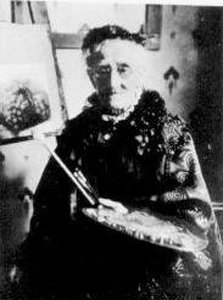
Eloise Harriet Stannard
1829 - 1915 , United Kingdom
주요 정보
- Artistic Movement Or Style: Norwich School
- Artists Or Movements Influenced By This Artist: ['Dutch Still Life']
- Artists Who Influenced This Artist: ['Alfred Stannard']
- Date Of Birth: 1829
- Date Of Death: 1915
- Full Name: Eloise Harriet Stannard
- Nationality: British
- Notable Artworks:
- Bowl Of Raspberries And Peaches
- Raspberries In A Cabbage Leaf Lined Basket
- A Basket Of Oranges
- Place Of Birth: Norwich, United Kingdom

