
 미리보기
미리보기
 공유하기
공유하기 공유하기
공유하기
 상세 정보
상세 정보

 다운로드
다운로드
 유사 작품
유사 작품 X-레이
X-레이 슬라이드 쇼
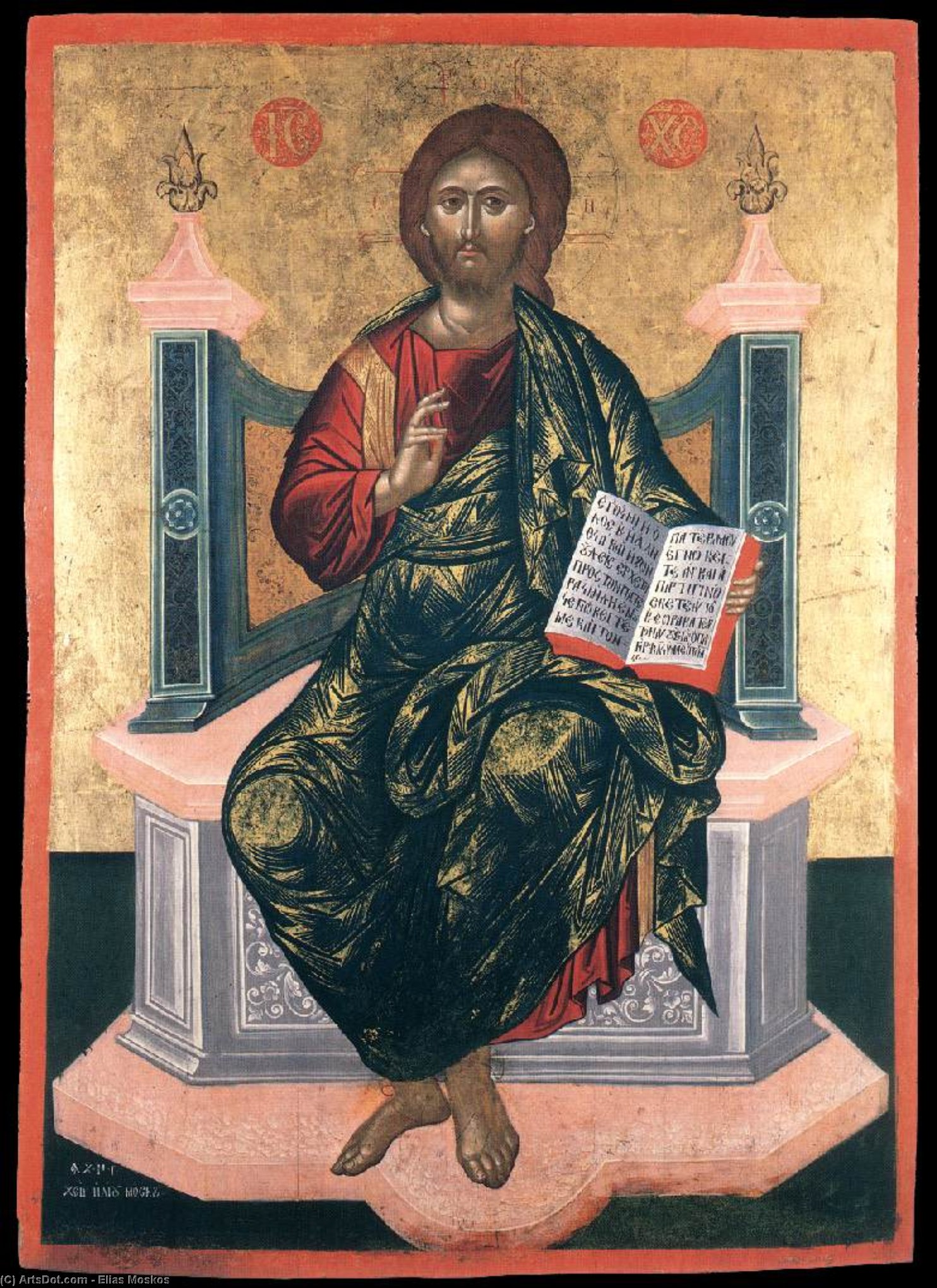
Christ Pantocrator
 Oil
Oil- WallArt
- Baroque
 1653
1653- Early Modern
 119.0 x 85.0 cm
 Ikonen-Museum
 더 보기
더 보기
온라인 미리보기보다 훨씬 뛰어난 품질의 고해상도 디지털 이미지를 구매해 보세요.
각 파일은 사내 전문가가 고급 도구와 숙련된 수동 리터칭 기술을 사용하여 세심하게 준비합니다. 우리는 모든 이미지가 탁월한 선명도, 정확한 색상 재현력, 그리고 미세한 디테일까지 완벽하게 갖추도록 보장합니다.
최종 파일은 전문적인 편집 및 인쇄 환경에서 즉시 사용할 수 있도록 최적화되어 72시간 이내에 이메일로 발송됩니다. 이는 세계적인 디자인 스튜디오, 출판사 및 갤러리가 신뢰하는 것과 동일한 품질입니다.
디지털 이미지
개인 소장 및 전시, 인쇄, 창작 프로젝트를 위한 고해상도 파일을 다운로드하세요. ( 프린트 주문으로 전환 수제 페인팅으로 전환하기)
모든 디지털 이미지 주문에 포함된 혜택
전문적인 디지털 이미지 전송 보장
OriginalUniqueArt.com를 선택하시면 단순히 이미지를 받는 것을 넘어, 정밀한 보정 과정을 거친 전문적인 디지털 예술 작품을 만나보실 수 있습니다. 모든 작품에는 만족 보장 서비스가 함께 제공되며, 주문 시 다음과 같은 사항들이 자동으로 포함됩니다:

빠른 이메일 전송
주문 후 72시간 이내에 고해상도 디지털 이미지 파일이 이메일로 발송되며, 즉시 사용하실 수 있습니다.

AI 기술로 향상된 디지털 파일
귀하의 작품은 고급 AI 도구와 수동 편집 과정을 거쳐 전문적으로 최적화되며, 이를 통해 디테일과 선명도, 색상의 정확도를 극대화합니다.

평생 무료 재전송 서비스
파일을 실수로 삭제하거나 분실하셨나요? 걱정 마세요. 언제든 무료로 다시 보내드립니다.

추가 수입 비용 없음 - 언제나
관세나 부가세, 배송비 부담 없이 작품을 즉시 감상하세요 - 디지털 다운로드는 언제나 면세 혜택이 적용됩니다.

정확한 색상 보장
전문적인 도구와 색상 관리 시스템을 통해 디지털 이미지가 원본의 색상을 최대한 정확하게 구현하도록 보장합니다.

60일 만족 보장제
구매하신 디지털 이미지에 만족하지 못하실 경우, 60일 이내에 수정 또는 100% 환불을 진행해 드립니다 - 어떠한 문의도 필요 없습니다.

100% 환불 보장
만족하지 못하셨나요? 디지털 파일을 수령하신 후 60일 이내라면 별도의 이유를 밝힐 필요 없이 전액 환불해 드립니다.

대량 주문 할인
이미지 3매 구매 시 10% 할인 - 5매 구매 시 15% 할인 - 10매 이상 구매 시 20% 할인. 크리에이티브 프로젝트, 갤러리, 에이전시에 매우 유용합니다.
작가 소개
Lavinia Fontana: A Pioneer of Female Artistic Voice
Lavinia Fontana (1552 – 1614) stands as a monumental figure in the history of art, recognized today as perhaps the first professional female artist to establish herself independently in Western Europe. Born into a family deeply rooted in the artistic traditions of Bologna, Italy, her journey was one of remarkable resilience and creative triumph against prevailing societal constraints. Her story isn’t simply that of an artist; it's a testament to the persistent pursuit of recognition within a world largely dominated by men. Her father, Prospero Fontana, was a respected painter known for his work in stucco decoration and frescoes, providing Lavinia with an invaluable early education in artistic techniques and practices. This familial connection offered her a unique advantage – access to a workshop environment and the opportunity to learn alongside her father, something rarely afforded to women of the era. Lavinia’s training began within the walls of her father's studio, where she honed her skills in tempera painting, a medium particularly favored for devotional works. Early commissions focused primarily on small-scale paintings intended as gifts – religious icons and portraits destined for wealthy patrons or diplomatic missions. These pieces, often executed on copper panels, were highly sought after due to the metal’s inherent value and luster. Her early work demonstrates a clear influence from the Bolognese School of painting, characterized by its rich colors, meticulous detail, and a focus on realistic representation – particularly evident in her 1576 masterpiece, *Christ with the Symbols of the Passion*, now housed at the El Paso Museum of Art. This piece showcases her burgeoning talent for capturing human emotion and rendering complex subjects with remarkable precision. However, it’s important to note that Lavinia's career unfolded within a context where female artists were largely excluded from formal training and professional opportunities. She navigated this challenging landscape by leveraging her family connections and establishing herself as a respected commercial artist, relying on commissions rather than patronage for her livelihood.A Unique Path: Portraiture and Mythological Scenes
While Lavinia’s early work was largely devotional, she gradually expanded her repertoire to encompass portraiture and mythological scenes – genres typically reserved for male artists. This shift is particularly significant as it suggests a deliberate effort on her part to challenge conventional artistic boundaries. Her portraits are notable for their psychological depth and subtle expressions, capturing the personalities of her subjects with remarkable sensitivity. However, perhaps more controversially, Lavinia is considered by some art historians to be the first female artist to depict nude female figures in Western painting. While the evidence remains debated, her 1575 work, *Child of the Monkey*, a lost masterpiece, and later works like *The Virgin and Child with Saints* (circa 1580) hint at this pioneering approach. These depictions, though often interpreted as allegorical or symbolic, represent a bold step towards asserting female agency within the visual arts – a daring act in a society that largely relegated women to domestic roles.The Influence of Mannerism and Beyond
Lavinia Fontana’s artistic style is firmly rooted in the Mannerist movement, characterized by its elongated figures, complex compositions, and dramatic use of color. She absorbed influences from prominent Mannerist artists like Parmigianino and Bronzino, adapting their techniques to her own unique vision. However, she also demonstrated a keen awareness of contemporary trends and incorporated elements of realism and naturalism into her work. Notably, she studied under Denis Calvaert, a Netherlandish artist who had once been a pupil of Prospero Fontana, gaining valuable insights into Northern European painting styles. This exposure broadened her artistic horizons and allowed her to synthesize diverse influences into a distinctive style that was both elegant and emotionally resonant.Legacy and Historical Significance
Lavinia Fontana’s legacy extends far beyond her individual artworks. She represents a pivotal moment in the history of art, demonstrating that women were capable of achieving professional success as artists – not just as assistants or imitators, but as independent creators with their own unique voices. Her story challenges traditional narratives about artistic production and highlights the systemic barriers faced by female artists throughout history. While her life was marked by hardship and societal prejudice, Lavinia Fontana’s unwavering determination to pursue her passion ultimately paved the way for future generations of women in the arts. She remains an inspiring figure, a testament to the power of talent, perseverance, and the enduring pursuit of artistic freedom. Her work continues to be studied and admired today, solidifying her place as one of the most important artists of the Italian Renaissance.
elias moskos
1552 - 1615

