
 실제 크기로 보기
 보내기
보내기 공유하기
공유하기
 상세 보기
상세 보기 가이드 보기

 이미지 다운로드
 유사 작품 더 보기
 X-레이
X-레이 슬라이드 쇼 보기
 Q&A
Q&A 통계 정보
통계 정보The Mountains of Thermopylae

- 68.0 x 135.0 cm


 상세 보기
상세 보기
지클레 / 아트 프린트
빠른 제작과 다양한 마감 옵션을 선택할 수 있는 박물관 수준의 지클레이 및 캔버스 프린트. ( 수작업 채색 복제본 주문하기 디지털 이미지 판매 채널로 전환)




P118B ₩10

P118H ₩10

P118W ₩10

P438Z ₩10

P508JH ₩12

P508YH ₩12

P805H ₩10

P805Z ₩10

P919BZ ₩10

P919G ₩10

P919XJ ₩10

P959ZH ₩10

P968JZ ₩12

W106C ₩8

W218G ₩10

W218JH ₩8

W218Y ₩10

W307PJ ₩10

W316G ₩10

W316PJ ₩8

W316Y ₩10

W398PJ ₩8

W4111J ₩10

W500HY ₩15

W500JH ₩15

W692G ₩12

W849H ₩8

W940BG ₩15

W953PJ ₩8




작품의 원본 비율을 그대로 유지하는 프리셋 사이즈 중에서 선택해 보세요.

액자나 벽면 크기에 맞춰 필요한 가로와 세로 길이를 입력해 주세요. 프린트는 원본 이미지보다 크게 제작할 수 없으며 오직 자르는 것만 가능하므로, 비율이 다른 사이즈를 선택할 경우 이미지의 일부가 잘려 나갈 수 있습니다. 인쇄 작업에 들어가기 전, 최종 확인을 위해 디지털 목업을 보내드립니다. 이 페이지에 표시된 이미지는 실제 잘리는 영역을 나타내지 않으며, 오직 목업을 통해서만 정확한 확인이 가능합니다.


 유리 옵션은 110cm 미만 크기에서만 선택 가능합니다.

The Mountains of Thermopylae
지클레 / 아트 프린트
복제본 규격
-


총 결제 금액
₩ 107740
Edward Lear’s Thermopylae: A Landscape of Quiet Resolve
Edward Lear (1812–1888), a figure largely remembered for his delightfully absurd verse and whimsical illustrations—particularly “The Owl and the Pussy Cat”—possessed an artistic sensibility far exceeding popular perception. Born into a sprawling family in Holloway, North London, Lear’s formative years were shaped by both considerable familial hardship and an undeniable predisposition towards visual artistry. His father, Jeremiah Lear, wrestled with financial difficulties following the Napoleonic Wars, forcing young Edward to begin earning a living through his drawings at just fifteen, fostering a lifelong dedication that would propel him across continents and imbue his work with a singular blend of observation and imaginative reimagining. This early exposure to adversity instilled within him a contemplative spirit—a quiet solitude—that profoundly influenced his artistic vision, as evidenced by his breathtaking landscape paintings like “The Mountains of Thermopylae.”A Vision Steeped in Observation and Impressionism
Painted in 1852 during Lear’s extensive travels through Greece and Italy, "The Mountains of Thermopylae" exemplifies Lear's mastery of Impressionistic technique. Executed on canvas with oil paints, the artwork eschews meticulous detail in favor of capturing fleeting atmospheric conditions—a deliberate choice reflecting Lear’s fascination with light and color as expressive tools. Unlike academic painters preoccupied with precise representation, Lear prioritized conveying mood and emotion through subtle tonal variations and blended brushstrokes. The artist skillfully employed layering techniques to build up depth and texture, mirroring the rugged grandeur of the Thermopylae mountains themselves. This approach aligns perfectly with the burgeoning Impressionist movement, which championed capturing immediate sensory experience rather than idealized depictions.The Landscape as Emblematic Symbolism
Beyond its technical prowess, “The Mountains of Thermopylae” resonates deeply with symbolic significance rooted in historical context. The painting commemorates the heroic defense of Thermopylae by a small Spartan force against the overwhelming Persian army in 480 BC—a pivotal moment in Greek history symbolizing courage, resilience, and unwavering commitment to principle. Lear’s depiction of towering mountains serves as an allegory for steadfastness and fortitude, mirroring the Spartans' determination to hold their ground despite insurmountable odds. The azure sea beneath represents tranquility juxtaposed with danger, reflecting the precarious nature of freedom and the constant vigilance required to safeguard it. Furthermore, the sparse figures on the cliff face underscore the importance of unity and collective resolve—themes central to the Spartan ethos.Emotional Resonance: Tranquility Amidst Struggle
Despite its connection to a dramatic historical event, “The Mountains of Thermopylae” exudes an unexpected serenity. Lear’s masterful use of color—primarily shades of purple and blue—creates a calming visual atmosphere that invites contemplation. The harmonious composition draws the eye upwards towards the peaks of the mountains, fostering a sense of aspiration and grandeur. However, beneath this surface tranquility lies an unspoken acknowledgement of hardship—a subtle reminder that true strength resides not merely in physical prowess but also in inner resilience. Lear’s painting transcends mere landscape depiction; it communicates a profound emotional truth about confronting adversity with grace and unwavering conviction. It's a piece designed to inspire awe and contemplation, reminding viewers of the enduring power of beauty amidst struggle—a testament to Lear’s remarkable ability to distill complex ideas into evocative visual form.A Reproduction Worthy of Distinction
OriginalUniqueArt.com offers exceptional reproductions of “The Mountains of Thermopylae,” meticulously crafted by skilled artisans using archival-quality materials. These reproductions faithfully capture the original artwork’s luminosity and textural nuances, allowing collectors and interior designers alike to experience Lear's vision firsthand. Invest in a stunning print that brings this iconic landscape into your home—a beautiful reminder of courage, contemplation, and the enduring legacy of Edward Lear.질의응답
에드워드 레어의 "The Mountains of Thermopylae" 작품에 권장되는 인쇄 설정은 무엇인가요?
에드워드 레어의 "The Mountains of Thermopylae" 작품은 Panoramic 방향의 Large 크기로 인쇄하는 것을 추천합니다.
에드워드 레어의 "The Mountains of Thermopylae"의 복제본을 어떻게 미리 볼 수 있나요?
에드워드 레어의 "The Mountains of Thermopylae"의 복제본을 미리 보려면 작품의 미리보기 페이지를 열어주세요.
원작 "The Mountains of Thermopylae"의 크기는 어떻게 되나요?
원작 에드워드 레어의 "The Mountains of Thermopylae"의 크기는 68 x 135 cm입니다.
작가 소개
Edward Lear (1812-1888): A Life Painted in Nonsense and Light
Edward Lear, a name synonymous with whimsical verse and delightfully peculiar illustrations, was far more than the purveyor of limericks and fantastical creatures that often define his legacy. Born in 1812 in Holloway, North London, into a family teeming with twenty-one children, Lear’s early life was marked by both financial instability and a burgeoning artistic talent. His father, Jeremiah Lear, faced hardship after the Napoleonic Wars, forcing young Edward to begin earning a living through his drawings at the tender age of fifteen. This necessity, however, ignited a lifelong passion that would see him traverse continents and capture the world in vibrant hues and playful lines. The shadow of familial difficulty, coupled with early health challenges – including epilepsy and bouts of melancholia he termed “the Morbids” – instilled within Lear a sense of gentle solitude and an inclination towards imaginative escape, qualities profoundly reflected in his art and writing.Early Influences: Scientific Precision and Observation
Lear’s artistic journey began with meticulous precision. Initially employed by the Zoological Society, he honed his skills illustrating birds and animals, demonstrating a remarkable eye for detail and anatomical accuracy. This early work demanded unwavering observation and a commitment to scientific rigor—a foundation that would shape his approach to art throughout his life. The Society tasked him with documenting the diverse avian species inhabiting Britain’s countryside, requiring painstaking sketches and detailed renderings of plumage, skeletal structure, and behavior. These commissions instilled in Lear a disciplined mindset and fostered an appreciation for accurate representation, skills he carried forward into his later landscape paintings. He meticulously studied topographical maps and geological formations, striving to capture the essence of each location with unwavering fidelity.Travel & Landscape Painting: Absorbing Diverse Atmospheres
His extensive travels through Italy, Greece, Egypt, and beyond profoundly influenced his artistic vision. Lear absorbed the light, colors, and textures of these diverse regions—from the sun-drenched hills of Tuscany to the rugged peaks of Crete—developing a distinctive style characterized by atmospheric perspective and delicate brushwork. He wasn’t merely copying scenery; he was attempting to convey its emotional resonance, capturing fleeting moments of beauty and solitude with remarkable sensitivity. His landscapes are imbued with a palpable sense of stillness and contemplation, inviting viewers to immerse themselves in the grandeur of nature. Lear's technique involved layering thin washes of watercolor pigment—often applied in multiple sessions—to build up tonal gradations that mimicked the effects of sunlight and shadow. This painstaking process resulted in paintings that possessed an ethereal quality, capturing the elusive beauty of twilight or dawn with breathtaking precision.The Poet of Nonsense: A Revolution in Verse
While celebrated as a painter, it is perhaps for his literary contributions that Edward Lear is most widely remembered. His “nonsense” poetry—particularly his limericks—revolutionized children’s literature and captivated audiences of all ages. *A Book of Nonsense*, published in 1846 under the pseudonym "Derry down Derry," introduced a world populated by owls and pussycats sailing in pea-green boats, dongs with luminous noses, and other delightfully absurd creations. These verses weren’t merely frivolous; they were imbued with a subtle melancholy and a playful subversion of conventional logic. Lear didn't simply invent nonsense words; he crafted entire worlds governed by their own internal rules, inviting readers to suspend disbelief and embrace the joy of imagination. He challenged established poetic conventions—abandoning rhyme schemes and meter—and prioritizing imaginative play over formal correctness. His limericks explored themes of loneliness, longing, and the absurdity of existence, cloaked within a veneer of whimsicality.A Legacy of Innovation and Enduring Charm
Lear’s influence extends far beyond the realm of children's literature. He pioneered a new form of poetic expression, liberating verse from rigid structures and embracing playful experimentation. His landscapes, though often overshadowed by his poetry, demonstrate a keen artistic sensibility and a mastery of watercolor technique. He was a true polymath—artist, illustrator, musician (he composed musical settings for Tennyson’s poems), author, and poet—whose diverse talents converged to create a unique and enduring legacy. He defied expectations, blurring the boundaries between art, literature, and music. His work continues to inspire artists, writers, and dreamers alike, reminding us of the power of imagination and the beauty of embracing the absurd. His paintings can be found in esteemed collections like The Ashmolean Museum, Oxford—a testament to his skill as a landscape artist—and serve as a poignant reminder that even amidst personal hardships, creativity flourishes, illuminating the human spirit with its radiant glow.
에드워드 레어
1812 - 1888 , 영국
작가 정보 요약
- Artistic Movement Or Style: 넌센스 예술
- Date Of Birth: 5월 12일
- Date Of Death: 1월 29일
- Full Name: Edward Lear
- Nationality: 영국인
- Notable Artworks:
- 타위드와 피쉬캣
- 동과 빛나는 코끼리 코
- Place Of Birth: 런던 영국
관련 기사

The Sublime and the Picturesque: Exploring Emotion & Nature in Romantic Landscape Painting
Explore the emotional power of Romantic landscape painting! Discover the sublime & picturesque traditions, key artists like Friedrich & Cole, and find your perfect artwork at OriginalUniqueArt.

Evocations of Place: A Historical Journey Through Landscape Art
Explore the rich history of landscape art with OriginalUniqueArt. Discover renowned artists, movements like Impressionism & Romanticism, and expert guidance for collecting timeless pieces. Find your perfect serene escape today!

존 컨스터블 대표작 25선: 영국 풍경화의 거장, 자연과 감성을 담은 명화 컬렉션 | OriginalUniqueArt
존 컨스터블 대표작 25선을 만나보세요. 영국 풍경화 거장의 자연주의 회화, 데담 밸리의 아름다움과 헤이 웨인의 정취를 담은 명화를 감상하세요. OriginalUniqueArt에서 고품질 예술 작품 복제본을 소장하고 특별한 인테리어를 완성해보세요. 지금 바로 컬렉션을 탐험하세요!

낭만 풍경화의 황홀! 예술사에 빛난 10대 걸작 탐구 | 와후아트
낭만주의 시대, 예술혼을 불태운 10대 풍경화 걸작! 터너부터 프리드리히까지, 시대를 초월하는 아름다움을 와후아트에서 만나보세요. 고흐의 색채와 코로의 섬세함이 당신의 공간에 영감을 더합니다. 지금 바로 와후아트에서 명품 미술 작품을 감상하고 구매하세요!
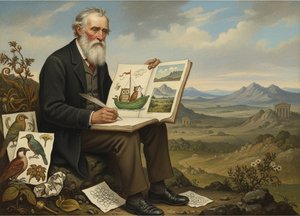
Edward Lear: A Life Beyond Nonsense – Landscape, Illustration & the Poetics of Isolation
Explore the life of Edward Lear beyond his nonsense poems. Discover his stunning landscape paintings, travel illustrations & the poignant themes of isolation in this expert art history analysis.