

 실제 크기로 보기
 보내기
보내기 공유하기
공유하기
 상세 보기
상세 보기 가이드 보기

 이미지 다운로드
 유사 작품 더 보기
 X-레이
X-레이 슬라이드 쇼 보기
 통계 정보
통계 정보untitled (6282)


 상세 보기
상세 보기
이 페이지에 표시된 작품은 저작권법의 보호를 받으며, 이에 따라 동일한 복제품을 제작하거나 판매하는 것은 법으로 금지되어 있습니다. 이러한 권리 보호는 다음과 같은 국제 협약에 따라 시행됩니다. 베른 협약 또한 다음에서 명시하는 법률을 포함한 국내법에 의해 보호됩니다. 미국 저작권법 제17조.
저희는 존중을 담은 합법적인 대안으로서, 원작에서 영감을 받은 맞춤형 수제 유화 작품을 제공합니다. 저희의 숙련된 전문 화가들은 원작의 스타일, 분위기, 예술적 정수를 면밀히 연구하여, 그 자체로 독창적인 창작물이면서도 원작과 동일한 감동을 불러일으키는 새로운 작품을 만들어냅니다.
이 방식은 저작권 보호를 받는 예술 작품을 복제하거나 그대로 재현하는 것이 아니기에 저작권 규정을 완벽히 준수합니다. 대신, 이는 창의적인 재해석의 과정을 거칩니다. 즉, 원작에서 영감을 받되 원작과 동일하지 않은 새로운 회화 작품을 의미합니다.
핸드메이드 유화 복제화
작가가 직접 캔버스에 손으로 그린 유화 작품으로, 원하는 크기와 액자로 맞춤 제작해 드립니다. ( 프린트 판매로 전환 디지털 이미지 판매 채널로 전환)




P118B ₩10

P118H ₩10

P118W ₩10

P438Z ₩10

P508JH ₩12

P508YH ₩12

P805H ₩10

P805Z ₩10

P919BZ ₩10

P919G ₩10

P919XJ ₩10

P959ZH ₩10

P968JZ ₩12

W106C ₩8

W218G ₩10

W218JH ₩8

W218Y ₩10

W307PJ ₩10

W316G ₩10

W316PJ ₩8

W316Y ₩10

W398PJ ₩8

W4111J ₩10

W500HY ₩15

W500JH ₩15

W692G ₩12

W849H ₩8

W940BG ₩15

W953PJ ₩8




작품의 원본 비율을 그대로 유지하는 프리셋 사이즈 중에서 선택해 보세요.

액자나 벽면 크기에 맞춰 필요한 가로와 세로 길이를 입력해 주세요. 본 작품은 수작업으로 제작되므로, 요청하신 비율에 따라 작가가 그림의 가장자리를 조금 더 넓게 그리거나 일부를 조정하여 작업할 수 있습니다. 작업 시작 전, 최종 확인을 위해 디지털 목업 이미지를 보내드립니다. 이 페이지에 표시된 이미지는 실제 결과물과 다를 수 있으며, 오직 목업 이미지만이 정확한 결과물을 보여줍니다.
주문 완료 후 OriginalUniqueArt.com 팀에서 상세 안내를 위해 고객님께 이메일을 보내드리며, 미리보기 시안을 함께 제공해 드립니다.


 유리 옵션은 110cm 미만 크기에서만 선택 가능합니다.

untitled (6282)
재현 매체
복제본 규격
-


총 결제 금액
₩ 406326
The Architecture of Solitude
In the quiet, monochromatic depths of Edward Hopper’s "Untitled (6282)", we encounter more than just a snapshot of mid-century American life; we enter a profound meditation on the human condition. Painted in 1953, this evocative work serves as a masterful distillation of the anxieties and quiet contemplations that defined American modernism. The scene unfolds within the dim, atmospheric confines of a restaurant, where the bustle of urban existence is stripped down to its most skeletal, emotional essence. Through his meticulous use of light and shadow, Hopper captures a moment frozen in time, inviting the viewer to linger in the stillness of a world that feels simultaneously populated and profoundly lonely.
The composition is a study in detachment. Two women occupy bar stools, their postures conveying a palpable sense of stillness that defies the potential energy of a public space. Their gazes are notably averted, suggesting an inward journey of introspection rather than any outward connection with their surroundings. While a man stands nearby, seemingly engaged in the mundane ritual of ordering, his figure remains distant and unremarkable, serving only to emphasize the absence of genuine interaction. This spatial arrangement—the carefully positioned chairs and the gaps between figures—creates a rhythmic sense of isolation, making the diner feel like a stage where the actors are lost in their own private dramas.
Mastery of Light and Realism
Hopper’s technique is rooted in a distinctive realism that transcends mere representation to achieve something far more expressive. Eschewing flamboyant brushstrokes or distracting color palettes, he relies on a precise, almost clinical attention to detail to build his narrative. In this black and white rendering, the absence of color forces the eye to focus on the interplay of light and texture. The stark illumination highlights the faces of the figures, pulling them from the gloom, while deep, velvety shadows envelop the corners of the diner, creating an atmosphere of mystery and weight. This chiaroscuro effect is not merely a stylistic choice but a psychological tool, used to delineate the boundaries between the seen and the unseen, the public and the private.
Every element within the frame contributes to this heavy, contemplative mood. From the scattered bottles that hint at the passage of time to the solitary potted plant that offers a singular, fragile touch of life, the details are rendered with an unwavering accuracy. For the collector or interior designer, this piece offers a sophisticated focal point; its muted tones and structural clarity allow it to integrate seamlessly into modern, minimalist, or classic settings, providing a window into a period of intense psychological depth. To possess a reproduction of such a work is to hold a fragment of American history—a piece that does not merely decorate a wall but commands the emotional temperature of a room.
질의응답
에드워드 호퍼의 "untitled (6282)"의 방문객들은 어디에서 오나요?
"untitled (6282)"에 대한 통계 페이지가 존재합니다. 이 페이지에는 해당 작품과 작가의 다른 작품들에 대한 월별 방문자 수가 국가 및 언어별로 상세히 표시됩니다.
에드워드 호퍼의 "untitled (6282)"의 색채 정체성은 무엇인가요?
에드워드 호퍼의 "untitled (6282)"의 색채 정체성: Espresso (#3c3337)이(가) 주를 이루는 Earthy 팔레트.
에드워드 호퍼의 "untitled (6282)"의 느껴지는 밝기는 어느 정도인가요?
에드워드 호퍼의 "untitled (6282)"의 느껴지는 밝기는 balanced입니다. 이는 의도한 공간의 조명과 조화를 이룰 수 있습니다.
작가 소개
Edward Hopper: A Master of American Realism
Edward Hopper, a name inextricably linked to the quietude and subtle melancholy that permeated 20th-century American life, wasn’t simply a painter of scenes; he was a poet of light and shadow, a chronicler of modern isolation. Born in Nyack, New York, in 1882, to middle-class parents of Dutch ancestry, Hopper's early years provided a stable upbringing that nurtured his artistic inclinations. From childhood sketches meticulously dated and signed, it became evident that keen observation and an innate talent for drawing were central to his being. Though initially encouraged towards commercial illustration – a pragmatic suggestion from his parents – Hopper’s ambitions leaned toward fine art, leading him to the New York School of Art where he studied under William Merritt Chase and Robert Henri. These formative years instilled not only technical skill but also an appreciation for realism and a commitment to depicting the world as he saw it—unvarnished and honest. The writings of Ralph Waldo Emerson resonated deeply with Hopper, reinforcing his sense of individualism and acute observation – qualities that would become hallmarks of his artistic vision. Early travels to Paris exposed him to Impressionism, yet Hopper quickly diverged from its fleeting brushstrokes, forging a path uniquely his own.Early Life and Artistic Beginnings
Hopper’s formative years were marked by a quiet determination to pursue his passion for art despite familial reservations about pursuing a less lucrative profession. He demonstrated exceptional drawing skills from a young age, capturing landscapes and portraits with remarkable accuracy—a testament to his innate talent and disciplined practice. His father, George Hopper, encouraged him to develop his artistic abilities, recognizing the importance of formal training in achieving creative excellence. Josephine Nivison Hopper, his wife, became an invaluable collaborator and muse, providing inspiration for many of his paintings and embodying the idealized feminine figure that frequently appeared in his work. Their shared apartment in Nyack served as a constant backdrop to Hopper’s artistic endeavors—a space imbued with understated elegance and reflecting his meticulous attention to detail. He honed his skills through diligent studio practice, experimenting with various mediums before settling on oil paint—a choice that allowed him to achieve the tonal richness and textural complexity characteristic of his style.Realism and Influences: Embracing Impressionistic Roots
Despite rejecting Impressionism’s ephemeral qualities, Hopper's artistic sensibilities were undeniably shaped by its influence. He absorbed the lessons of Impressionist masters like Claude Monet and Pierre-Auguste Renoir, recognizing their pioneering use of light and color to convey emotion—though he ultimately rejected their stylistic conventions in favor of a more restrained approach. Robert Henri’s teachings at the New York School of Art instilled in Hopper a belief in artistic freedom and encouraged him to depict the world with uncompromising honesty. William Merritt Chase championed realism as a means of capturing psychological truth, guiding Hopper's early explorations into portraiture and landscape painting. These mentors recognized the importance of observation—a cornerstone of Hopper’s artistic vision—and urged him to strive for accuracy without sacrificing expressive power. The Symbolist poets of Baudelaire and Verlaine captivated Hopper with their exploration of darkness and melancholy—themes that would permeate his oeuvre and reflect his profound understanding of human psychology.Iconic Visions: Nighthawks and Beyond
While Hopper’s career unfolded gradually, certain works catapulted him to widespread recognition. Nighthawks (1942), arguably his most famous painting, became an instant icon of American culture. The late-night diner scene, bathed in stark fluorescent light, perfectly encapsulates the alienation and anonymity of modern urban life. The figures within are lost in their own thoughts, disconnected from one another despite their proximity—a poignant commentary on the human condition. Hopper’s meticulous rendering of light and shadow—particularly its ability to convey mood—became a defining characteristic of his style. He wasn't interested in grand historical narratives or allegorical symbolism; he focused on the mundane, elevating it through careful observation and emotional resonance. House by the Railroad (1925) exemplifies this approach—a seemingly simple composition radiating a profound sense of isolation and mystery. His printmaking, often overlooked, ran parallel to his painting, sharing similar themes and stylistic qualities, demonstrating his mastery across mediums. He possessed an extraordinary ability to capture the psychological states of his subjects, hinting at narratives without explicitly stating them.Legacy and Influence: An Enduring Artistic Voice
Edward Hopper’s influence on subsequent artists is undeniable. His unique style has inspired countless painters, including Pierre Sanford Ross, and continues to resonate with contemporary artists seeking to capture the essence of human experience. His paintings remain highly sought after by collectors and are exhibited in major museums worldwide, solidifying his place as a pivotal figure in American art history. More than just an artist, Hopper was a visual philosopher, offering profound insights into the human condition through his masterful use of light, shadow, and composition. He left behind a body of work that transcends time—a testament to his enduring artistic vision and his unwavering commitment to portraying the world as he saw it—with honesty, sensitivity, and an unforgettable aesthetic. Hopper’s legacy extends beyond the realm of art; his paintings have become iconic representations of American culture, often used to symbolize the anxieties and aspirations of the 20th century—and beyond.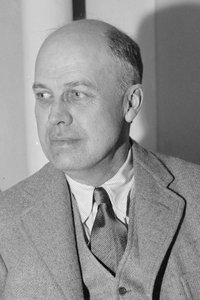
에드워드 호퍼
1931 - 1967 , 미국
작가 정보 요약
- Artistic Movement Or Style: 사실주의
- Artists Who Influenced This Artist:
- 윌리엄 메리트 체이스
- 로버트 한리
- Date Of Birth: 1882년 7월 22일
- Date Of Death: 1967년 5월 15일
- Full Name: Edward Hopper
- Nationality: 미국인
- Notable Artworks:
- 나이트호크스
- 기차 옆 집
- 가스 주유소
- Place Of Birth: 뉴욕주 니악 시
관련 기사

American Realism's Defining Works: 10 Masterpieces for Your Home
Explore 10 defining American Realism masterpieces – Hopper, Homer & more. Discover the stories behind these iconic paintings and bring timeless art to your home with OriginalUniqueArt's museum-quality reproductions. Explore the full collection online.

The Unvarnished Truth: A Cultural Journey Through the Soul of American Realism
Explore the profound beauty of American Realism. From the Ashcan School's urban grit to intimate portraits, discover how artists captured the authentic soul of a nation through unvarnished truth and masterful observation.
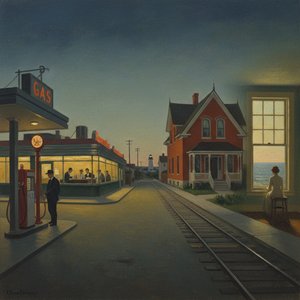
에드워드 호퍼 최고 걸작 25선: 미국의 고독을 담은 명화 컬렉션 | OriginalUniqueArt
에드워드 호퍼의 시대를 초월하는 25개의 명작을 만나보세요. 미국의 고독과 도시 풍경을 담은 회화 작품들을 감상하고, OriginalUniqueArt.com에서 고품질 미술 복제본으로 당신의 공간을 특별하게 꾸며보세요. 지금 바로 컬렉션을 탐험하세요!
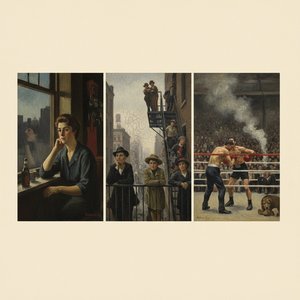
American Realism: Social Commentary & Artistic Representation in Early 20th-Century Painting
Explore the powerful social commentary & artistic representation of American Realism. Discover key artists like Bellows & Sloan, and understand the movement's lasting impact on 20th-century art history.

White on Canvas: 10 Masterpieces & Timeless Elegance for Your Home Decor
Explore 10 iconic white paintings by Monet, Whistler & Rothko! Discover the stories behind these serene masterpieces and their impact on art history. Find museum-quality reproductions for your home decor at .


