Expressionism · 1893
Storm (에드바르 뭉크, 1893)
에드바르 뭉크 (1863–1944) 작가의 Storm 1893년에 제작되었습니다. Expressionism 운동에 속합니다. Oil On Canvas(으)로 제작되었습니다.
- 1893
- Oil On Canvas

 미리보기

 수작업 유화 작품
 공유하기
 공유하기
 가이드 보기


 다운로드
 유사 작품 더 보기
 X-레이
 슬라이드 쇼 보기
 질의응답

 통계 정보
Storm: 핵심 정보
- 제목
- Storm
- 작가
- 에드바르 뭉크 (1863–1944)
- 작가 출생지
- 아델스브루크, 노르웨이
- 제작 연도
- 1893
- 매체
- Oil On Canvas
- 주제
- storm, anxiety, darkness, landscape, emotion, turmoil
Storm은(는) 무엇을 묘사하고 있나요?
A Tempestuous Soul: Edvard Munch’s “The Storm”
Edvard Munch's "The Storm," painted in 1893, isn’t merely a depiction of a raging tempest; it’s a visceral embodiment of inner turmoil—a profound exploration of anxiety and the fragility of human existence. This iconic work, currently residing within the esteemed collection of the Museum of Modern Art (MoMA) in New York City, stands as a cornerstone of Expressionism, a movement that sought to capture not just external reality but the raw, unfiltered emotions simmering beneath the surface. Munch, already grappling with personal tragedies including the early deaths of his mother and sister, channeled these profound experiences into a visual language characterized by bold color, distorted forms, and an unsettling sense of unease—elements powerfully realized in “The Storm.” The painting’s power resides not just in its dramatic subject matter but in its ability to evoke a deeply felt emotional response within the viewer, mirroring the artist's own turbulent inner world.
Visualizing Inner Chaos: Style and Technique
Munch’s technique is deliberately unsettling. The composition immediately plunges the viewer into a scene of chaotic energy. Thick, swirling brushstrokes dominate the canvas, conveying the relentless force of the wind and rain. These aren't delicate lines; they are aggressive marks, imbued with an almost frantic quality. The color palette contributes significantly to this sense of unease. Muted tones—primarily deep blues, grays, and ochres—create a somber atmosphere, punctuated by jarring flashes of intense yellow in the clouds and the distant light. This contrast isn’t merely aesthetic; it represents the struggle between darkness and hope, despair and perhaps a fleeting glimpse of resilience. The figure in the foreground, rendered with simplified forms and a slightly elongated face, seems to be caught within this maelstrom, her posture suggesting both vulnerability and a desperate attempt to maintain composure. Note how Munch uses perspective—the receding road and distant house create a sense of isolation and emphasize the overwhelming power of nature.
Symbolism and Psychological Depth
“The Storm” is rich in symbolic meaning, deeply rooted in Munch’s personal experiences and his exploration of psychological themes. The storm itself represents not just meteorological conditions but also the internal storms raging within the human psyche—fear, grief, anxiety, and a sense of impending doom. The woman standing on the road has been interpreted as representing humanity confronting these forces, perhaps even succumbing to them. Some scholars connect her posture and gaze to depictions of women awaiting news from loved ones lost at sea – a poignant reflection of Munch’s own anxieties about loss and mortality. The distant house, barely visible through the storm clouds, symbolizes a fragile sense of security, threatened by the overwhelming power of nature. The overall composition can be viewed as an allegory for the human condition—a constant struggle against forces beyond our control.
A Legacy of Emotional Intensity
Edvard Munch’s “The Storm” remains a profoundly moving and influential work of art, solidifying his place as a pioneer of Expressionism. Its enduring appeal lies in its ability to tap into universal emotions—fear, anxiety, and the awareness of our own mortality. Reproductions of this masterpiece offer an opportunity to experience the raw emotional power of Munch’s vision firsthand. Whether displayed in a grand salon or a more intimate setting, “The Storm” continues to resonate with viewers, reminding us of the complexities of the human spirit and the enduring beauty—and terror—of the natural world. For those seeking a high-quality reproduction, OriginalUniqueArt.com offers meticulously crafted hand-painted versions that faithfully capture the essence of this iconic artwork. Further exploration into Munch’s life and artistic journey can be found on platforms like Edvard Munch on OriginalUniqueArt.com and through resources such as Smarthistory and the Metropolitan Museum of Art.
고해상도 Storm

에드바르 뭉크, Storm (1893). 퍼블릭 도메인
Storm에 관한 질문
"Storm"은 어떤 기법으로 제작되었나요?
에드바르 뭉크의 "Storm"에는 어떤 소재가 등장하나요?
"Storm"에 담긴 소재는 storm, anxiety, darkness, landscape, emotion, turmoil, night입니다.
"Storm"은(는) 저작권으로부터 자유로운가요?
에드바르 뭉크의 "Storm"은(는) 어떤 미술 사조에 속하나요?
Storm은(는) 에드바르 뭉크의 예술적 경력 중 어느 시기에 해당하나요?
에드바르 뭉크은(는) 몇 세에 "Storm"을(를) 제작했을까요?
아티스트 에드바르 뭉크 소개

1863–1944, 노르웨이
에드바르 뭉크
에드바르 뭉크의 삶과 정체성 에드바르 뭉크는 자신의 조국이 지닌 풍경과 그 특유의 무거운 공기와 삶이 깊게 맞닿아 있었던 노르웨이의 화가입니다. 1863년 12월 12일에 태어난 그는 생애의 대부분을 붓과 판화 도구를 통해 인간 정신의 복잡한 심연을 탐구하며 보냈습니다. 그의 작품은 종종 자신의 내면적 투쟁이 그대로 투영된 결과물처럼 느껴졌으며, 지극히 개인적인 감정들을 시각화하여 타인과 공유할 수 있는 보편적인 것으로 승화시켰습니다. 그는 1944년 1월 23일 세상을 떠나기 전까지 예술계에서 끊임없이 활동하며 강렬한 존재감을 드러냈습니다.
에드바르 뭉크의 다른 작품들
 절규1893
 흡혈귀 오슬로 국립미술관
 사춘기1914
 불안 21894

Storm 관련 에세이
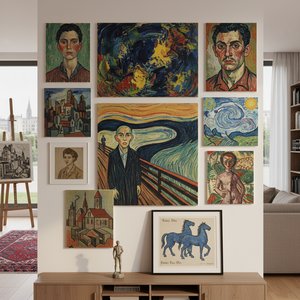 표현주의를 정의한 명작 10선: 예술, 영혼, 그리고 공간의 미학 | OriginalUniqueArt뭉크, 키르히너 등 거장들의 작품으로 표현주의 미술의 정수를 만나보세요. 강렬한 색채와 감정적 깊이가 깃든 명작 10선을 통해 예술의 세계를 탐험하고, OriginalUniqueArt에서 고품질 아트 프린트를 소장하세요. 지금 바로 온라인 컬렉션을 …
 Echoes of Anxiety: The 25 Most Iconic Masterpieces by Edvard MunchJourney through the raw emotion of Expressionism with our curated guide to Edvard Munch's top 25 masterpieces. Explore the stories behind h…
 Unveiling the Masterpieces: Top 25 Must-See Artworks at the Munch Museum in OsloExplore 25 iconic Edvard Munch masterpieces from Oslo's Munch Museum. Discover timeless Expressionist art on OriginalUniqueArt.com.