

 실제 크기로 보기
 보내기
보내기 공유하기
공유하기
 상세 보기
상세 보기 가이드 보기

 이미지 다운로드
 유사 작품 더 보기
 X-레이
X-레이 슬라이드 쇼 보기
 통계 정보
통계 정보Self-Portrait, Dance of Death


 상세 보기
상세 보기
핸드메이드 유화 복제화
작가가 직접 캔버스에 손으로 그린 유화 작품으로, 원하는 크기와 액자로 맞춤 제작해 드립니다. ( 프린트 판매로 전환 디지털 이미지 판매 채널로 전환)




































작품의 원본 비율을 그대로 유지하는 프리셋 사이즈 중에서 선택해 보세요.

특정 프레임이나 공간에 맞춰 원하는 크기를 직접 입력하실 수 있습니다. 선택하신 크기가 원본 이미지의 비율과 일치하지 않을 경우, 작품을 자르거나 추가적인 수작업 요소를 더해 그림을 확장하여 제작합니다. 제작 시작 전, 최종 확인을 위해 디지털 목업을 보내드립니다.
화면상의 미리 보기는 실제 크롭(자르기)이나 확장된 상태를 완벽히 반영하지 않을 수 있습니다. 최종 구도는 오직 목업을 통해서만 정확하게 확인하실 수 있습니다.
맞춤 크기 제작도 가능하지만, 원본의 비율을 그대로 유지하기 위해서는 미리 정의된 목록에서 크기를 선택하시는 것을 권장합니다.
주문 완료 후 OriginalUniqueArt.com 팀에서 상세 안내를 위해 고객님께 이메일을 보내드리며, 미리보기 시안을 함께 제공해 드립니다.


 유리 옵션은 110cm 미만 크기에서만 선택 가능합니다.

Self-Portrait, Dance of Death
재현 매체
복제본 규격
-


총 결제 금액
$ 325
A Grim Reflection: Edvard Munch’s “Dance of Death”
Edvard Munch's "Self-Portrait, Dance of Death," created in 1915 during his prolific Expressionist period, isn’t merely a depiction of an artist staring back at himself; it’s a visceral confrontation with mortality rendered in stark black and white. This unsettling image transcends simple representation, delving into the psychological anxieties that defined Munch's oeuvre and cementing its place as one of the most iconic artworks of the early 20th century. The painting captures a moment of profound introspection against the backdrop of a broader artistic movement grappling with existential dread—a theme powerfully conveyed through Munch’s masterful technique and symbolic choices.Composition and Technique: Embracing Chaos
Munch employs a deliberately constricted compositional frame, focusing intensely on the intertwined figures – one human, one skeletal – dominating the canvas's central space. This claustrophobic arrangement underscores the pervasive feeling of unease, mirroring the artist’s own internal turmoil. The loose brushstrokes characteristic of Expressionism are immediately apparent; Munch abandons meticulous detail in favor of conveying emotion through agitated lines and textures. Executed as an etching or lithograph, the print captures the grainy surface quality of the original medium, adding to its aged aesthetic and amplifying the artwork's unsettling atmosphere. Bold angular lines carve through the composition, mirroring the fractured psyche depicted within—a deliberate stylistic decision that rejects realism in favor of emotional truth.Symbolism: Death’s Dance and Personal Vulnerability
The skeletal figure serves as a potent symbol of death, embodying not just physical demise but also the inescapable awareness of existential fragility. Positioned close to the human form, it represents an unsettling acceptance of fate—a dance with mortality that Munch himself experienced firsthand throughout his life. The embrace between the two figures isn’t tender or comforting; rather, it speaks to a confrontation with one's own vulnerability and the inevitability of loss. Munch’s masterful use of chiaroscuro – dramatic contrasts between light and shadow – emphasizes the contours of both figures, highlighting their physicality while simultaneously shrouding them in darkness—a visual metaphor for the hidden anxieties lurking beneath the surface of consciousness.Historical Context: Expressionism's Response to Anxiety
“Dance of Death” emerged during a period marked by significant social upheaval and intellectual ferment—the height of Expressionism’s influence. Artists like Munch sought to express inner emotional states rather than objective reality, responding to the pervasive anxieties surrounding World War I and the burgeoning disillusionment with traditional values. The painting reflects the broader artistic preoccupation with themes of death, illness, and psychological torment that characterized the era. Munch's exploration of these subjects aligns perfectly with Expressionism’s core tenets—a rejection of academic conventions in favor of subjective experience and a willingness to confront uncomfortable truths about human existence.Emotional Impact: A Haunting Legacy
Ultimately, “Self-Portrait, Dance of Death” transcends its formal elements to deliver a profoundly emotional impact. The monochrome palette contributes to the painting’s somber mood—a visual embodiment of melancholy and dread. Munch's expressive lines convey not just physical form but also psychological state—a testament to his ability to translate inner turmoil into compelling artistic imagery. This artwork continues to resonate with viewers today, prompting contemplation on themes of mortality, vulnerability, and the enduring power of art to grapple with profound existential questions. It remains a haunting reminder that beauty can coexist with darkness, and that confronting uncomfortable truths is essential to understanding the human condition.작가 소개
어드반트 문크: 불안과 고독의 선구자
1863년 노르웨이 아델스브루크에서 태어난 어드반트 문크는 현대 미술, 특히 표현주의에 지대한 영향을 미친 화가입니다. 그의 삶은 어린 시절의 비극적인 경험과 끊임없는 정신적 고통으로 얼룩져 있었고, 이러한 개인적인 투쟁들은 그의 작품 전체를 관통하는 불안, 죽음, 고독이라는 주제로 이어졌습니다. 문크는 단순한 현실 묘사를 넘어 인간 내면의 심오하고 복잡한 감정을 표현하고자 했습니다. 그는 자신의 그림들을 통해 정신적 고통을 시각화하고, 이를 통해 관객들에게 깊은 공감과 울림을 선사했습니다.
불안정한 어린 시절과 예술적 기틀
문크의 어린 시절은 질병과 상실로 가득했습니다. 어머니와 여동생이 모두 결핵으로 세상을 떠난 경험은 그의 삶에 깊은 상처를 남겼고, 이는 그의 작품에서 반복적으로 나타나는 죽음과 슬픔이라는 주제의 근원이 되었습니다. 아버지의 엄격한 종교적 신념과 정신 질환 또한 문크에게 불안과 공포심을 심어주었으며, 이러한 어두운 경험들은 그의 예술 세계를 형성하는 데 결정적인 영향을 미쳤습니다. 크리스티아니아(오슬로) 왕립 미술학교에서 정식 교육을 받았지만, 그는 전통적인 회화 기법에 얽매이지 않고 자신만의 독특한 표현 방식을 추구했습니다. 특히 실존주의 철학자 한스 예거와의 만남은 문크에게 기존의 예술적 관습을 벗어나 자신의 내면세계를 솔직하게 드러내는 ‘영혼의 그림’을 그리도록 격려하는 계기가 되었습니다.
파리에서의 영향과 표현주의로의 진화
1890년대 파리로 건너간 문크는 폴 고갱, 빈센트 반 고흐, 앙리 드 툴루즈 로트렉 등 당시 유럽 미술계를 주도하던 인상주의 화가들의 작품을 접하며 큰 영향을 받았습니다. 그들의 대담한 색채 사용과 강렬한 표현력은 문크의 예술적 실험에 새로운 활력을 불어넣었습니다. 그러나 문크는 단순히 다른 화가들의 스타일을 모방하는 데 그치지 않고, 자신만의 독특한 시각과 감성을 담아내며 점차 표현주의의 선구자적인 면모를 드러냈습니다. 특히 그의 작품에서 나타나는 왜곡된 형태와 불안정한 색채는 관객들에게 강렬한 인상을 남기며, 인간 내면의 고통과 절망을 효과적으로 전달합니다.
대표작: ‘절규’와 그 이면에 숨겨진 의미
‘절규’(The Scream)는 문크를 세계적인 명성을 얻게 해준 작품이자, 현대 미술의 상징과도 같은 존재입니다. 붉은 노을 아래 서 있는 인간 형상이 절망적으로 울부짖는 모습은 불안과 공포에 휩싸인 현대인의 심리를 극명하게 드러냅니다. 문크 자신은 이 그림이 자연의 거대한 비명을 듣고 느낀 감정을 표현한 것이라고 말했습니다. ‘절규’는 단순한 풍경화가 아닌, 인간 존재의 근원적인 불안과 고독을 담아낸 상징적인 작품으로 평가받고 있습니다. 또한 마돈나, 병든 아이, 멜랑콜리아 1 & 2 등 문크의 다른 작품들 역시 죽음, 슬픔, 사랑과 같은 보편적인 인간 경험을 다루며 깊은 감동과 울림을 선사합니다.
표현주의의 선구자이자 현대 미술에 미친 영향
어드반트 문크는 표현주의 운동의 발전에 지대한 영향을 미쳤으며, 그의 작품은 이후 독일 표현주의 화가들에게 영감을 주었습니다. 그는 전통적인 회화 기법에서 벗어나 주관적인 감정과 내면세계를 자유롭게 표현하는 새로운 예술적 가능성을 제시했습니다. 문크의 작품은 현대 미술에 있어서 인간 심리의 복잡성과 불안을 탐구하는 중요한 전환점을 마련했으며, 그의 유산은 오늘날까지도 많은 예술가들에게 영감을 주고 있습니다. 그는 단순히 그림을 그리는 화가가 아니라, 인간 존재의 어두운 면을 직시하고 이를 예술로 승화시킨 위대한 사상가이자 선구자였습니다.
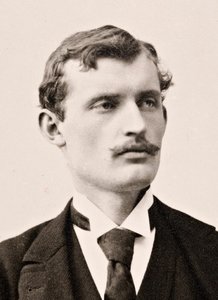
에드바르 뭉크
1863 - 1944 , 스웨덴
작가 정보 요약
- 국적: 노르웨이
- 대표 작품:
- 절규
- 마돈나
- 병든 아이
- 우울 I & II
- 사망일: 1944년 1월 23일
- 영향을 받은 예술 사조: ['독일 표현주의']
- 영향을 준 예술가:
- 폴 고갱
- 빈센트 반 고흐
- 투루 쇠 라트르크
- 예술 사조: 표현주의
- 전체 이름: 에드바르 뭉크
- 출생일: 1863년 12월 12일
- 출생지: 아델스브루크, 스웨덴
관련 기사
에드바르 뭉크 대표작 25선: 불안과 고독을 담은 예술의 심연 (OriginalUniqueArt)
에드바르 뭉크의 대표작 25선을 만나보세요. '절규'를 비롯한 불안과 고독을 담은 표현주의 걸작들의 숨겨진 이야기와 예술적 의미를 OriginalUniqueArt에서 탐험하세요. 명화 복제, 인테리어 액자 등 다양한 컬렉션을 온라인으로 감상하고 특별한 공간을 완성해보세요.
표현주의를 정의한 명작 10선: 예술, 영혼, 그리고 공간의 미학 | OriginalUniqueArt
뭉크, 키르히너 등 거장들의 작품으로 표현주의 미술의 정수를 만나보세요. 강렬한 색채와 감정적 깊이가 깃든 명작 10선을 통해 예술의 세계를 탐험하고, OriginalUniqueArt에서 고품질 아트 프린트를 소장하세요. 지금 바로 온라인 컬렉션을 확인하세요!

Giclée Prints: Archival Quality & Aesthetic Nuances for the Discerning Collector
Explore the world of giclée prints with OriginalUniqueArt. Learn about archival quality, aesthetic nuances & investment potential. Expert guidance for discerning art collectors seeking museum-quality reproductions and lasting value.

The Enduring Legacy of Fine Art Prints: Technique, History & Aesthetic Impact
Explore the rich history & techniques of fine art prints. Discover investment potential, assess authenticity, and learn how to preserve your collection with expert guidance. Trusted insights for discerning collectors.
Top 10 Lithographs That Revolutionized Art | OriginalUniqueArt
Explore 10 legendary lithographs by Toulouse-Lautrec, Munch & Picasso that redefined art! Discover the stories behind these iconic prints and find museum-quality reproductions for your home decor at OriginalUniqueArt.com. Explore the full collection online.


