유화 원작 구매
 Red vine에 관한 모든 것







































 가로 또는 세로 중 어느 한 면이라도 105cm(약 41인치)를 초과하는 작품이나 복제화의 경우, 프레임은 분해된 키트 형태로 배송됩니다. 이는 안전한 배송을 보장하고 운송 중 발생할 수 있는 손상을 방지하기 위함입니다.


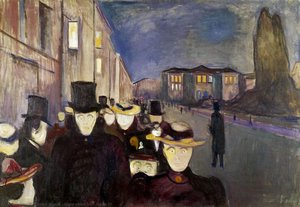
Red Vine: A Haunting Expression of Isolation
“Red Vine” (1898) by Edvard Munch is a seminal work within the Expressionist movement, offering a profound exploration of human emotion and psychological distress. This painting isn't merely a depiction of a landscape; it’s a visceral representation of inner turmoil projected onto the external world.
The Painting Style: Expressionism
Expressionism, as an art movement, arose in the late 19th and early 20th centuries as a reaction against Impressionism's focus on objective reality. Instead, Expressionist artists sought to convey subjective emotions and experiences through distortion, exaggeration, and bold use of color. Munch was a key figure in this movement, and "Red Vine" exemplifies its core tenets. The painting utilizes rough brushstrokes, intense reds, and an unsettling composition to evoke a sense of anxiety and unease.
Significance in the Context of Expressionism
“Red Vine” stands as a powerful example of Expressionist principles at work:
- Intense Color Palette: The dominant use of red, far from representing natural foliage, creates an atmosphere of heightened emotion and potential danger. It symbolizes passion, anxiety, and perhaps even impending doom.
- Distorted Forms: The figure within the painting is not realistically rendered; instead, it appears isolated and vulnerable, contributing to the overall feeling of alienation. The house itself seems almost consumed by the encroaching vines, further emphasizing a sense of entrapment.
- Emotional Narrative: The scene doesn't tell a straightforward story but rather evokes a complex emotional state. It suggests themes of isolation, fear, and the struggle against overwhelming forces.
Symbolism and Interpretation
While Munch rarely provided definitive explanations for his works, "Red Vine" is rich in potential symbolism:
- The Red Vines: These are not simply decorative elements; they represent a suffocating force, potentially symbolizing jealousy, obsession, or the destructive power of emotions.
- The Figure: The lone figure’s posture and expression convey a sense of dread and vulnerability. It could be interpreted as representing Munch himself, grappling with his inner demons, or a universal symbol of human fragility in the face of adversity.
- The House: The dilapidated house suggests decay, instability, and perhaps even the crumbling foundations of the psyche. Its integration within the landscape emphasizes its vulnerability to external forces.
Emotional Impact and Legacy
“Red Vine” leaves a lasting impression on viewers due to its raw emotional power. The painting’s unsettling atmosphere and ambiguous narrative invite introspection, prompting audiences to confront their own anxieties and fears. Munch's masterful use of color and form continues to inspire artists today, solidifying his place as one of the most influential figures in modern art. It serves as a poignant reminder of the expressive potential of art to convey profound human experiences.
질의응답
Red vine은(는) 수작업으로 그린 작품인가요, 아니면 프린트된 작품인가요?
수작업 제작: 숙련된 화가가 Red vine을(를) 리넨 캔버스 위에 유화로 재현합니다.
Red vine의 사이즈는 어떤 것을 선택해야 하나요?
사이즈는 32.0 x 31.2 cm (₩268034)부터 242.5 x 236.8 cm (₩2775489)까지 있으며, 이 페이지의 표에 주요 단계별 가격이 안내되어 있습니다.
배송은 얼마나 걸리나요?
배송은 전 세계 무료 특송으로 4~5주가 소요되며, 본 페이지에서 긴급 제작 옵션을 선택하실 수 있습니다. 제품은 조건 없이 100일 이내에 반품하여 전액 환불받으실 수 있습니다.
에드바르 뭉크 작가는 Red vine 작품에 어떤 재료를 사용했나요?
Acrylic On Canvas
 미리보기

 공유하기
 공유하기
 상세 정보
 학습용 요약본


 다운로드
 유사 작품 더 보기
 X-레이
 슬라이드 쇼 보기
 질의응답

 통계 정보