

 실제 크기로 보기
 보내기
보내기 공유하기
공유하기
 상세 보기
상세 보기 가이드 보기

 이미지 다운로드
 유사 작품 더 보기
 X-레이
X-레이 슬라이드 쇼 보기
 통계 정보
통계 정보헤르베르트 에쉬 경의 도서관
 캔버스에 유채
- 월아트
- Expressionism
 1905
1905- 근현대
 120.0 x 70.0 cm
 Kunsthaus Zürich
 상세 보기
상세 보기
핸드메이드 유화 복제화
작가가 직접 캔버스에 손으로 그린 유화 작품으로, 원하는 크기와 액자로 맞춤 제작해 드립니다. ( 프린트 판매로 전환 디지털 이미지 판매 채널로 전환)




P118B $10

P118H $10

P118W $10

P438Z $10

P508JH $12

P508YH $12

P805H $10

P805Z $10

P919BZ $10

P919G $10

P919XJ $10

P959ZH $10

P968JZ $12

W106C $8

W218G $10

W218JH $8

W218Y $10

W307PJ $10

W316G $10

W316PJ $8

W316Y $10

W398PJ $8

W4111J $10

W500HY $15

W500JH $15

W692G $12

W849H $8

W940BG $15

W953PJ $8




작품의 원본 비율을 그대로 유지하는 프리셋 사이즈 중에서 선택해 보세요.

특정 프레임이나 공간에 맞춰 원하는 크기를 직접 입력하실 수 있습니다. 선택하신 크기가 원본 이미지의 비율과 일치하지 않을 경우, 작품을 자르거나 추가적인 수작업 요소를 더해 그림을 확장하여 제작합니다. 제작 시작 전, 최종 확인을 위해 디지털 목업을 보내드립니다.
화면상의 미리 보기는 실제 크롭(자르기)이나 확장된 상태를 완벽히 반영하지 않을 수 있습니다. 최종 구도는 오직 목업을 통해서만 정확하게 확인하실 수 있습니다.
맞춤 크기 제작도 가능하지만, 원본의 비율을 그대로 유지하기 위해서는 미리 정의된 목록에서 크기를 선택하시는 것을 권장합니다.
주문 완료 후 OriginalUniqueArt.com 팀에서 상세 안내를 위해 고객님께 이메일을 보내드리며, 미리보기 시안을 함께 제공해 드립니다.


 유리 옵션은 110cm 미만 크기에서만 선택 가능합니다.

헤르베르트 에쉬 경의 도서관
재현 매체
복제본 규격
-


총 결제 금액
$ 300
A Moment of Quiet Intensity: Edvard Munch’s “Herbert Esche in the Library”
Edvard Munch's "Herbert Esche in the Library," painted in 1905, is more than just a portrait; it’s a carefully constructed tableau of intellect, contemplation, and a subtle undercurrent of melancholy. This work, housed at the Kunsthaus Zürich, offers a rare glimpse into the private world of Herbert Eugen Esche, a textile industrialist who sought refuge in the company of one of the most influential artists of his time – Munch himself. The painting immediately draws the viewer in with its muted palette dominated by blues and yellows, creating an atmosphere both serene and subtly unsettling. It’s a testament to Munch's ability to imbue a seemingly simple scene with profound emotional resonance.
The composition is anchored by Esche’s figure, positioned slightly off-center within the frame, yet commanding considerable presence. He stands as a study in restrained dignity, his gaze direct but not overtly engaging – suggesting a man of quiet reserve and perhaps even a certain melancholy. Behind him, the library interior dissolves into an abstracted wash of color; bookshelves laden with books become blurred shapes, hinting at the vastness of knowledge and the potential distractions that lie beyond Esche’s immediate focus. This deliberate lack of detail isn't a failure of observation but rather a stylistic choice, characteristic of Munch’s Expressionist approach – prioritizing emotional impact over photographic realism.
The Influence of Henry van de Velde and the Chemnitz Context
The genesis of this painting is deeply intertwined with the architectural vision of Henry van de Velde. In 1902-1904, Van de Velde designed and built a villa for Esche in Chemnitz, Germany – a landmark of the Art Nouveau movement. The commission brought Munch to Chemnitz, where he spent three weeks amidst the industrial landscape, a stark contrast to his usual bohemian circles in Paris or Kristiania (Oslo). The painting reflects this specific setting; it’s not merely a portrait but a snapshot of Esche within his environment, commissioned by a man who valued both artistic expression and functional design. The presence of Max Linde, a Lübeck doctor who facilitated the meeting between Munch and Esche, adds another layer to the narrative – highlighting the interconnectedness of art, medicine, and social circles of the early 20th century.
Munch’s Expressionist Techniques: Line, Color, and Texture
Munch's distinctive style is immediately apparent in "Herbert Esche in the Library." Loose, expressive lines define the forms, conveying movement and emotion rather than precise detail. The outlines of Esche’s figure are softened, contributing to a sense of fluidity and vulnerability. The color palette—a blend of blues, yellows, and whites—is applied with visible brushstrokes, creating a rich, painterly texture that emphasizes the immediacy of the work. This technique, combined with the flattened perspective, is quintessential Munch – prioritizing emotional intensity over realistic representation. The use of red and green within the books adds subtle pops of color, hinting at the intellectual stimulation contained within the library’s walls.
Symbolism and Emotional Resonance
Beyond its formal elements, “Herbert Esche in the Library” is rich in symbolic meaning. The blurred background can be interpreted as representing the vastness of knowledge or the distractions of the outside world – suggesting that Esche's focus remains firmly within his own thoughts. Esche’s direct gaze, while not overtly engaging, conveys a sense of introspection and quiet dignity. It speaks to a man comfortable in his own mind, perhaps even burdened by it. The painting ultimately evokes a feeling of contemplative melancholy—a poignant reminder of the complexities of human experience and the enduring power of art to capture those elusive emotions.
A Reproduction for Your Collection
OriginalUniqueArt offers meticulously hand-painted reproductions of Edvard Munch’s “Herbert Esche in the Library,” capturing the essence of this iconic artwork with exceptional detail and fidelity. Available in a range of sizes, our reproductions provide an authentic representation of Munch's masterful technique and emotional depth. Whether you are an art collector, interior designer, or simply an admirer of Munch’s work, a OriginalUniqueArt reproduction is a beautiful and meaningful addition to your collection – bringing the quiet intensity of this remarkable painting into your space.
작가 소개
어드반트 문크: 불안과 고독의 선구자
1863년 노르웨이 아델스브루크에서 태어난 어드반트 문크는 현대 미술, 특히 표현주의에 지대한 영향을 미친 화가입니다. 그의 삶은 어린 시절의 비극적인 경험과 끊임없는 정신적 고통으로 얼룩져 있었고, 이러한 개인적인 투쟁들은 그의 작품 전체를 관통하는 불안, 죽음, 고독이라는 주제로 이어졌습니다. 문크는 단순한 현실 묘사를 넘어 인간 내면의 심오하고 복잡한 감정을 표현하고자 했습니다. 그는 자신의 그림들을 통해 정신적 고통을 시각화하고, 이를 통해 관객들에게 깊은 공감과 울림을 선사했습니다.
불안정한 어린 시절과 예술적 기틀
문크의 어린 시절은 질병과 상실로 가득했습니다. 어머니와 여동생이 모두 결핵으로 세상을 떠난 경험은 그의 삶에 깊은 상처를 남겼고, 이는 그의 작품에서 반복적으로 나타나는 죽음과 슬픔이라는 주제의 근원이 되었습니다. 아버지의 엄격한 종교적 신념과 정신 질환 또한 문크에게 불안과 공포심을 심어주었으며, 이러한 어두운 경험들은 그의 예술 세계를 형성하는 데 결정적인 영향을 미쳤습니다. 크리스티아니아(오슬로) 왕립 미술학교에서 정식 교육을 받았지만, 그는 전통적인 회화 기법에 얽매이지 않고 자신만의 독특한 표현 방식을 추구했습니다. 특히 실존주의 철학자 한스 예거와의 만남은 문크에게 기존의 예술적 관습을 벗어나 자신의 내면세계를 솔직하게 드러내는 ‘영혼의 그림’을 그리도록 격려하는 계기가 되었습니다.
파리에서의 영향과 표현주의로의 진화
1890년대 파리로 건너간 문크는 폴 고갱, 빈센트 반 고흐, 앙리 드 툴루즈 로트렉 등 당시 유럽 미술계를 주도하던 인상주의 화가들의 작품을 접하며 큰 영향을 받았습니다. 그들의 대담한 색채 사용과 강렬한 표현력은 문크의 예술적 실험에 새로운 활력을 불어넣었습니다. 그러나 문크는 단순히 다른 화가들의 스타일을 모방하는 데 그치지 않고, 자신만의 독특한 시각과 감성을 담아내며 점차 표현주의의 선구자적인 면모를 드러냈습니다. 특히 그의 작품에서 나타나는 왜곡된 형태와 불안정한 색채는 관객들에게 강렬한 인상을 남기며, 인간 내면의 고통과 절망을 효과적으로 전달합니다.
대표작: ‘절규’와 그 이면에 숨겨진 의미
‘절규’(The Scream)는 문크를 세계적인 명성을 얻게 해준 작품이자, 현대 미술의 상징과도 같은 존재입니다. 붉은 노을 아래 서 있는 인간 형상이 절망적으로 울부짖는 모습은 불안과 공포에 휩싸인 현대인의 심리를 극명하게 드러냅니다. 문크 자신은 이 그림이 자연의 거대한 비명을 듣고 느낀 감정을 표현한 것이라고 말했습니다. ‘절규’는 단순한 풍경화가 아닌, 인간 존재의 근원적인 불안과 고독을 담아낸 상징적인 작품으로 평가받고 있습니다. 또한 마돈나, 병든 아이, 멜랑콜리아 1 & 2 등 문크의 다른 작품들 역시 죽음, 슬픔, 사랑과 같은 보편적인 인간 경험을 다루며 깊은 감동과 울림을 선사합니다.
표현주의의 선구자이자 현대 미술에 미친 영향
어드반트 문크는 표현주의 운동의 발전에 지대한 영향을 미쳤으며, 그의 작품은 이후 독일 표현주의 화가들에게 영감을 주었습니다. 그는 전통적인 회화 기법에서 벗어나 주관적인 감정과 내면세계를 자유롭게 표현하는 새로운 예술적 가능성을 제시했습니다. 문크의 작품은 현대 미술에 있어서 인간 심리의 복잡성과 불안을 탐구하는 중요한 전환점을 마련했으며, 그의 유산은 오늘날까지도 많은 예술가들에게 영감을 주고 있습니다. 그는 단순히 그림을 그리는 화가가 아니라, 인간 존재의 어두운 면을 직시하고 이를 예술로 승화시킨 위대한 사상가이자 선구자였습니다.
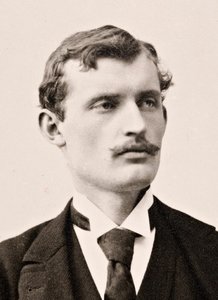
에드바르 뭉크
1863 - 1944 , 스웨덴
작가 정보 요약
- 국적: 노르웨이
- 대표 작품:
- 절규
- 마돈나
- 병든 아이
- 우울 I & II
- 사망일: 1944년 1월 23일
- 영향을 받은 예술 사조: ['독일 표현주의']
- 영향을 준 예술가:
- 폴 고갱
- 빈센트 반 고흐
- 투루 쇠 라트르크
- 예술 사조: 표현주의
- 전체 이름: 에드바르 뭉크
- 출생일: 1863년 12월 12일
- 출생지: 아델스브루크, 스웨덴
관련 기사
The Allure of Azure: Exploring the Symbolic & Aesthetic Depths of Blue in Art History
Explore the rich history of blue in art! Discover its symbolism, from ancient pigments to modern masterpieces by Kandinsky & Seurat. Uncover the psychological impact and cultural meanings behind this captivating hue.
표현주의를 정의한 명작 10선: 예술, 영혼, 그리고 공간의 미학 | OriginalUniqueArt
뭉크, 키르히너 등 거장들의 작품으로 표현주의 미술의 정수를 만나보세요. 강렬한 색채와 감정적 깊이가 깃든 명작 10선을 통해 예술의 세계를 탐험하고, OriginalUniqueArt에서 고품질 아트 프린트를 소장하세요. 지금 바로 온라인 컬렉션을 확인하세요!

Slate Blue Masterpieces: 10 Iconic Paintings & Timeless Home Decor Ideas
Immerse yourself in the captivating world of slate blue! Explore 10 iconic paintings by Monet, Van Gogh & Renoir. Discover their stories, techniques & find museum-quality art reproductions for your home at .
에드바르 뭉크 대표작 25선: 불안과 고독을 담은 예술의 심연 (OriginalUniqueArt)
에드바르 뭉크의 대표작 25선을 만나보세요. '절규'를 비롯한 불안과 고독을 담은 표현주의 걸작들의 숨겨진 이야기와 예술적 의미를 OriginalUniqueArt에서 탐험하세요. 명화 복제, 인테리어 액자 등 다양한 컬렉션을 온라인으로 감상하고 특별한 공간을 완성해보세요.

Edvard Munch: Anxiety, Modernity & the Dawn of Expressionism
Explore the profound world of Edvard Munch, pioneer of Expressionism. Discover the origins of 'The Scream' & his haunting depictions of anxiety, mortality, and love. Expert analysis & high-quality reproductions at OriginalUniqueArt.


