
 미리보기
미리보기
 공유하기
공유하기 공유하기
공유하기
 상세 정보
상세 정보 가이드 보기

 다운로드
다운로드
 유사 작품 더 보기
 X-레이
X-레이 슬라이드 쇼 보기
 질의응답
질의응답 통계 정보
통계 정보The philosopher

- 187.0 x 107.0 cm


 더 보기
더 보기
웹 미리보기 화면을 훨씬 뛰어넘는 인쇄용 파일을 만나보세요. 저희가 판매하는 모든 디지털 이미지는 스톡 데이터베이스 내의 고해상도 마스터 파일(일반적으로 가로 5,000~15,000픽셀)을 기반으로 합니다. 따라서 대형 인쇄나 정밀한 크롭 작업 시에도 세밀한 디테일을 자신 있게 구현할 수 있습니다.
저희 스튜디오를 거치는 모든 파일은 정교한 손길을 거칩니다. 디지털 전문가가 원작과 대조하여 색상을 점검하고 필요 시 보정하며, 전문 리터칭 도구를 사용하여 선명도와 디테일을 높입니다. 이 과정에서 작가의 붓 터치와 화풍을 충실히 유지하는 것을 원칙으로 합니다. 그 결과, 단순한 스캔본에 필터를 입힌 듯한 느낌이 아닌, 마치 실제 회화 작품을 보는 듯한 이미지를 구현해냅니다.
최종 완료 전 확인 단계가 있습니다. 전문가가 검토하실 수 있도록 72시간 이내에 이미지를 이메일로 보내드립니다. 결과물이 만족스럽지 않으신가요? 수정이나 보완을 요청하시거나, 품질이 기대에 미치지 못할 경우 환불을 요청하실 수 있습니다.
출판사, 디자인 스튜디오, 갤러리 및 인쇄소가 신뢰하는 바로 그 품질입니다.
디지털 이미지
개인 소장 및 전시, 인쇄, 창작 프로젝트를 위한 고해상도 파일을 다운로드하세요. ( 프린트 판매로 전환 수작업 채색 복제본 주문하기)
모든 디지털 이미지 주문 시 포함되는 혜택
전문적인 디지털 이미지 전송 보장
OriginalUniqueArt.com를 선택하시면 단순히 이미지를 받는 것을 넘어, 정밀한 보정 과정을 거쳐 완성된 전문적인 디지털 예술 작품을 만나보실 수 있습니다. 모든 주문에는 만족 보장 서비스가 포함되어 있으며, 다음과 같은 사항들이 자동으로 제공됩니다:

빠른 이메일 전송
주문 후 72시간 이내에 고해상도 디지털 이미지 파일이 이메일로 발송되며, 즉시 사용하실 수 있습니다.

AI 기술로 최적화된 디지털 파일
귀하의 작품은 첨단 AI 기술과 정교한 수동 편집 과정을 거쳐 전문적으로 최적화되며, 이를 통해 디테일과 선명도, 색상의 정확도를 극대화합니다.

평생 무료 재전송 서비스
파일을 실수로 삭제하거나 분실하셨나요? 걱정 마세요. 언제든 무료로 다시 보내드립니다.

추가 수입 비용 없음 - 언제나
관세, 부가세, 배송비 부담 없이 작품을 즉시 소장하세요 - 디지털 다운로드는 언제나 면세 혜택이 적용됩니다.

정확한 색상 보장
전문적인 도구와 색상 관리 시스템을 통해 디지털 이미지가 원본의 색상을 최대한 정확하게 구현하도록 보장합니다.

100일 만족 보장제
구매하신 디지털 이미지에 만족하지 못하실 경우, 100일 이내에 별도의 조건 없이 수정 또는 100% 환불을 진행해 드립니다.

100% 환불 보장
만족스럽지 않으신가요? 디지털 파일을 받으신 후 100일 이내라면 어떤 이유로든 조건 없이 전액 환불해 드립니다.

대량 주문 할인
이미지 3매 구매 시 10% 할인 - 5매 구매 시 15% 할인 - 10매 이상 구매 시 20% 할인. 크리에이티브 프로젝트, 갤러리, 에이전시에 매우 유용합니다.
The Philosopher: A Window into Manet’s Modern Soul
Édouard Manet's *The Philosopher*, painted in 1867, isn’t merely a portrait; it’s a carefully constructed tableau that encapsulates the burgeoning spirit of modern art. This oil-on-canvas work, measuring a substantial 187 x 107 cm, invites us into a quiet contemplation, a moment suspended between observation and thought. The subject, a man draped in a long coat and hat – a figure instantly recognizable as embodying intellectualism – stands on a Parisian street, his hands tucked casually into his pockets, radiating an aura of profound introspection. Yet, it’s not the individual that commands our attention entirely, but rather the subtle orchestration of elements surrounding him: the birds perched above, the clock subtly hinting at time's passage, and the carefully chosen background details. These aren’t merely decorative flourishes; they contribute to a layered narrative, inviting us to consider the nature of existence itself. The painting emerged from a pivotal moment in art history – a period of intense transition between Realism and Impressionism. Manet, already known for his provocative works like *Le Déjeuner sur l'herbe* and *Olympia*, was pushing boundaries with each new creation. He deliberately challenged academic conventions by depicting everyday life, often featuring ordinary people in unidealized ways. *The Philosopher* exemplifies this approach, eschewing the polished surfaces and heroic narratives favored by earlier generations of artists. Instead, Manet presents a scene stripped bare of sentimentality, focusing on the raw reality of urban existence. The muted palette – dominated by browns, grays, and ochres – reinforces this sense of understated observation. Notice how he employs loose brushstrokes, characteristic of his style, creating an almost hazy effect that softens the edges and contributes to the painting’s contemplative mood. Manet's stylistic choices are deeply rooted in both Realism and Impressionism. He retains a degree of realism in his depiction of the subject and setting, meticulously rendering the details of the man’s clothing and the streetscape. However, he also embraces the Impressionist emphasis on capturing fleeting moments of light and color. The dappled sunlight filtering through the background suggests movement and atmosphere, while the subtle shifts in tone create a sense of depth and spatial ambiguity. This blending of styles – realism tempered by impressionistic sensitivity – is what makes Manet such a revolutionary figure. He wasn’t simply painting what he saw; he was actively shaping how we perceive the world around us. The inclusion of birds, for instance, adds a layer of symbolic richness. Birds are often associated with freedom and intellect, further reinforcing the subject's philosophical nature. The historical context surrounding *The Philosopher* is crucial to understanding its significance. Manet’s work coincided with a period of rapid social and economic change in Paris – the rise of industrialization, urbanization, and a growing sense of alienation. His paintings reflected this turbulent atmosphere, capturing the anxieties and uncertainties of modern life. The painting's placement within the broader context of Manet's career reveals his deliberate attempt to challenge established artistic norms and pave the way for future generations of artists. *The Philosopher* stands as a testament to Manet’s innovative spirit and his profound impact on the development of modern art, ultimately finding its home in the prestigious Art Institute of Chicago, where it continues to captivate viewers with its quiet intensity and enduring relevance.Artistic Details & Symbolism
Let's delve deeper into the specific details that contribute to *The Philosopher’s* evocative power. The man himself is presented in a state of profound contemplation, his gaze directed towards an unseen horizon. His beard and mustache lend him an air of intellectual authority, solidifying his role as a philosopher. Note the careful rendering of his clothing – the long coat, the hat, the simple pocket watch – each element contributing to a sense of timelessness and dignity. The background is equally significant. The two birds perched above suggest a connection to nature, while the clock subtly reminds us of the relentless passage of time. These seemingly minor details are carefully orchestrated to create a harmonious whole, inviting viewers to engage in their own interpretations.Manet’s Legacy & Influence
Édouard Manet's influence on subsequent generations of artists is undeniable. His willingness to challenge conventions and depict modern life with unflinching honesty paved the way for Impressionism and beyond. Artists like Claude Monet, Pierre-Auguste Renoir, and Edgar Degas were deeply influenced by Manet’s techniques and his approach to subject matter. *The Philosopher*, in particular, demonstrates Manet's ability to capture a fleeting moment of human experience with remarkable sensitivity and insight. His work continues to inspire artists today, reminding us of the power of art to challenge our perceptions and expand our understanding of the world.Reproductions & Viewing Experience
OriginalUniqueArt offers meticulously crafted hand-painted reproductions of *The Philosopher*, capturing the essence of Manet’s original masterpiece with unparalleled fidelity. Our skilled artisans employ traditional oil painting techniques, carefully recreating every brushstroke and nuance of color. These reproductions are not merely copies; they are works of art in their own right, imbued with the same spirit and emotion as the original. Whether you choose a large-scale statement piece for your home or a smaller, more intimate reproduction to adorn your office, our hand-painted versions will bring this iconic artwork into your space, allowing you to appreciate its beauty and complexity for years to come. Explore our collection today and experience *The Philosopher* in a whole new light.질의응답
에두아르 마네의 "The philosopher"은(는) 언제 제작되었나요?
에두아르 마네의 "The philosopher"은(는) 1867년에 제작되었습니다.
"The philosopher" 프린트의 권장 용도는 무엇인가요?
에두아르 마네의 "The philosopher"은(는) 반사성(으)로 활용하시기에 가장 좋습니다. 그 외에도 다양한 용도로 사용하실 수 있습니다.
"The philosopher"은(는) 몇 년도에, 어떤 사조의 작품인가요?
에두아르 마네의 "The philosopher"은(는) 1867년에 제작되었으며 Realism and Impressionism 양식에 속합니다.
작가 소개
유년 시절, 가족 그리고 예술적 훈련
에두아르 마네는 1832년 1월 23일, 파리의 부유한 가정에서 태어났습니다. 프랑스 법무부에서 고위직을 맡고 있던 아버지의 장남으로 자라난 그는, 아버지가 설계한 해군이나 법조계라는 안정적인 길을 걷기를 기대받았습니다. 소년은 그 기대에 부응하기 위해 노력했으나, 해군 사관학교 입학시험에서 두 차례나 낙방하는 좌절을 맛보았습니다. 하지만 이 실패는 역설적이게도 그의 시선을 화실로 돌리는 결정적인 계기가 되었습니다. 그는 예술에 대한 자신의 확고한 의지를 증명하기 위해 결국 아버지에게 자신의 그림들을 모은 포트폴리오를 내밀었고, 마침내 정식으로 미술을 공부할 수 있는 허락을 받아냈습니다.
1850년부터 1856년까지 그는 토마스 퀴투르의 화실에서 수학하며 예술적 기틀을 닦았습니다. 그곳에서 그는 아카데믹 회화의 기술적 토대를 배웠지만, 그의 시선은 늘 루브르 박물관을 향해 있었습니다. 그는 루브르의 갤러리에서 수많은 시간을 보내며 거장들의 캔버스 앞에 서서 그들의 기법을 모사하곤 했습니다. 빛과 형태를 다루는 거장들의 방식을 깊이 연구하며 과거의 유산을 흡수하는 동시에, 자신만의 독창적인 예술 세계를 구축하기 위한 준비를 이어갔습니다. 이 치열했던 탐구의 시간은 훗날 그가 전통적인 관습에서 과감히 탈피할 수 있게 해준 든든한 기술적 밑거름이 되었습니다.
기법과 예술적 스타일
캔버스의 표면은 살롱이 요구하던 매끄럽고 흔적 없는 마감으로부터 의도적으로 탈피했음을 여실히 보여줍니다. 붓질의 흔적을 덮어버리는 대신, 팩처(facture)라고 불리는 눈에 띄고 역동적인 안료의 도포가 그 자리를 대신합니다. 이러한 접근 방식은 물감 그 자체가 지닌 물리적 실재감을 우선시합니다. 알라 프리마(alla prima) 혹은 젖은 상태에서 덧칠하는 기법을 사용하여, 색채는 마르기 전 신선한 상태로 캔버스 위에 놓입니다. 이는 전통적인 아카데믹 화법의 느리고 층을 쌓아가는 방식에서 벗어나, 찰나의 순간을 포착하는 즉흥적인 특성을 부여합니다. 이러한 기법 덕분에 빛과 대기의 흐름은 한층 더 자유롭고 생동감 있게 기록될 수 있었습니다.
형태를 구축하는 방식에서도 눈에 띄는 평면성이 관찰됩니다. 붓을 느슨하게 운용함으로써 깊은 입체적 환영을 만들어내기 위해 사용되던 무거운 모델링 기법을 과감히 피했습니다. 그 결과, 회화적 공간은 종종 압축된 듯한 느낌을 줍니다. 이러한 효과는 강렬하고 대비되는 톤의 사용을 통해 더욱 극대화됩니다. 형태를 정의하기 위해 점진적인 색조의 변화에 의존하기보다는, 도시의 파편화된 현대적 빛을 암시하기 위해 명암의 급격한 변화를 자주 활용합니다. 수학적 원근법과 매끄러운 블렌딩을 거부하는 이러한 시도는, 마치 이미지가 관찰자의 눈앞에서 즉각적으로 조립되는 듯한 강렬한 현장감을 선사합니다.
현대적 주제가 불러온 스캔들
1860년대 중반, 에두아르 마네는 대중의 시선과 격렬한 충돌을 겪게 됩니다. 1863년 개최된 ‘거부당한 화가들의 살롱(Salon des Refusés)’은 공식 심사위원단으로부터 외면받은 작품들이 무대에 오를 수 있는 기회를 제공했습니다. 그중에서도 풀밭 위의 점심(Le Déjeuner sur l'herbe)은 즉각적인 파장을 일으킨 문제작이었습니다. 이 작품은 누드를 묘사하기 위해 흔히 사용되던 신화적 혹은 성서적 장치를 빌려오지 않았습니다. 대신, 옷을 입은 두 남성과 함께 피크닉을 즐기고 있는 한 여성의 누드를 배치함으로써, 역사적 혹은 신성한 맥락을 거부하고 관객에게 현대 삶의 가공되지 않은 날것 그대로의 존재감을 던져주었습니다.
이러한 긴장감은 1865년 올림피아(Olympia)가 전시되면서 더욱 고조되었습니다. 이 작품은 당시 살롱에서 가장 충격적인 작품으로 손꼽혔습니다. 티치아노의 우르비노의 비너스에서 구도를 차용하되, 신화라는 보호막을 걷어내고 여신 대신 현대의 매춘부를 그 자리에 세웠기 때문입니다. 그녀는 시선을 피하거나 찬탄을 유도하는 눈빛을 보내는 대신, 많은 이들을 당혹스럽게 만드는 대담하고 직접적인 시선으로 관객을 응시했습니다. 비평가들은 이러한 이상화되지 않은 묘사와 주제의 노골성에 분노를 쏟아냈습니다.
주제의 선택뿐만 아니라, 물감을 다루는 방식 또한 거센 비판의 대상이 되었습니다. 많은 관찰자는 눈에 띄게 거칠고 역동적인 붓놀림, 그리고 매끄럽게 다듬어지지 않은 마무리를 공격했습니다. 그들은 이를 원근법의 오류이자 전통적인 품격의 규칙을 저버린 행위로 간주했습니다. 그러나 누군가에게는 무능함으로 비춰졌던 이 방식은, 다른 이들에게는 캔버스 위를 흐르는 물감의 실재를 보여주기 위한, 꿈속의 창이 아닌 현실을 드러내기 위한 의도적인 선택으로 인식되었습니다.
주요 작품과 예술적 여정
1861년, 에두아르 마네는 살롱에서 우수한 평가를 받으며 스페인 가수를 선보였습니다. 이 작품 속 모델은 안달루시아 전통 의상을 입고 기타를 연주하고 있는데, 흥미롭게도 악기의 줄은 오른손잡이용으로 매겨져 있음에도 불구하고 왼손잡이 연주자가 코드를 짚는 듯한 모습으로 묘사되어 있습니다. 이러한 작고 의도적인 오류는 모델의 발치에 놓인 전형적인 스페인 정물화와 어우러져 묘한 긴장감을 자아냅니다.
그의 붓놀림은 때로 시대의 격동과 정치적 메시지를 정면으로 마주하기도 했습니다. 1867년에는 멕시코 황제 막시밀리안의 처형을 통해 강렬한 사회적 메시지를 던졌습니다. 이후 1870년대 후반, 건강이 쇠약해지기 시작하면서 그의 시선은 보다 작고 친밀한 주제들로 옮겨갔습니다. 1882년 완성된 폴리-베르제르의 술집은 현대적인 카페의 분위기를 심리적 모호함 속에 담아낸 걸작으로 꼽힙니다. 생의 마지막 해인 1883년경, 그는 식탁보 위의 장미 두 송이와 같은 정물화에 몰두하며 예술적 여정을 이어갔습니다.
- 스페인 가수 (1861)
- 멕시코 황제 막시밀리안의 처형 (1867)
- 폴리-베르제르의 술집 (1882)
- 식탁보 위의 장미 두 송이 (1883년경)
인연, 라이벌 그리고 영향력
에두아르 마네의 붓놀림에는 그가 루브르 박물관에서 탐구했던 거장들의 무게감이 고스란히 담겨 있습니다. 그는 나아갈 길을 찾기 위해 카라바조의 극적인 빛과 벨라스케스의 유려하고 어두운 색조를 응시했습니다. 또한 고야로부터는 매끄럽게 다듬어진 아카데믹한 마무리에 연연하지 않는 특유의 직설적인 화법을 흡수했습니다. 이러한 탐구는 단순한 학습에 그치지 않았습니다. 그것은 살롱이 요구하는 관습적인 기대치를 해체하기 위해 그가 휘두른 예술적 도구였습니다. 그는 색조를 점진적으로 혼합하는 방식보다, 단 하나의 강렬한 색채가 뿜어내는 존재감을 더욱 선호했습니다.
파리의 카페와 지성인들의 사교계에서, 그는 시대를 재정의할 인물들 사이를 유영했습니다. 그는 회화의 경계를 허물기 위해 분투하던 클로드 모네, 에드가 드가와 같은 예술가들과 공간과 사상을 공유했습니다. 그의 사적인 삶 또한 아방가르드 예술가들과 깊이 얽혀 있었는데, 그의 제수는 바로 예술가 베르트 모리조였습니다. 비록 그가 종종 공식적인 예술 기관의 승인을 갈구하기도 했으나, 그의 진정한 동료들은 기성 아카데미의 그림자 속에서 새로운 예술을 일궈내던 이들이었습니다.
그의 논쟁적인 캔버스에서 미래를 발견한 한 작가는 에두아르 마네의 초기 시절 가장 열렬한 옹호자가 되어주었습니다. 이 지지자는 그의 작품에 대해 찬사를 담은 글을 발표하며, 변화하는 예술 세계 속에서 그의 위치를 정립하는 데 결정적인 역할을 했습니다. 대중이 그의 현대적인 주제들에 적대감을 드러낼 때조차, 이러한 지지는 그의 화풍을 미완성이라 비난하거나 주제가 부적절하다고 공격하던 비평가들에 맞서는 든든한 버팀목이 되었습니다. 결국 그는 아카데미라는 구세계와 거리의 역동적인 신세계 사이에서 끊임없이 요동치는 시대의 상징으로 남았습니다.
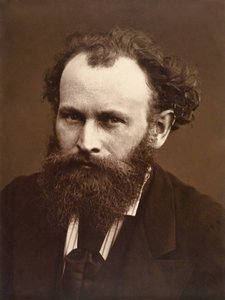
에두아르 마네
1832 - 1883 , 프랑스
주요 정보
- Artistic Movement Or Style: 사실주의, 인상주의, 아방가르드
- Artists Or Movements Influenced By This Artist:
- 인상주의
- 아방가르드
- 클로드 모네
- 베르트 모리조
- 에드가 드가
- 고갱
- Artists Who Influenced This Artist:
- 카라바조
- 디에고 벨라스케스
- 프란시스코 고야
- 티치아노
- 라파엘로
- 프란스 할스
- 피터 파울 루벤스
- Date Of Birth: 1832
- Date Of Death: 1883
- Full Name: 에두아르 마네
- Nationality: 프랑스
- Notable Artworks:
- 올림피아
- 풀밭 위의 점심
- 폴리-베르제르의 술집
- Place Of Birth: 프랑스 파리