

 실제 크기로 보기
 보내기
보내기 공유하기
공유하기
 상세 보기
상세 보기 가이드 보기

 이미지 다운로드
 유사 작품 더 보기
 X-레이
X-레이 슬라이드 쇼 보기
 통계 정보
통계 정보The Escape of Rochefort


 상세 보기
상세 보기
핸드메이드 유화 복제화
작가가 직접 캔버스에 손으로 그린 유화 작품으로, 원하는 크기와 액자로 맞춤 제작해 드립니다. ( 프린트 판매로 전환 디지털 이미지 판매 채널로 전환)




P118B $10

P118H $10

P118W $10

P438Z $10

P508JH $12

P508YH $12

P805H $10

P805Z $10

P919BZ $10

P919G $10

P919XJ $10

P959ZH $10

P968JZ $12

W106C $8

W218G $10

W218JH $8

W218Y $10

W307PJ $10

W316G $10

W316PJ $8

W316Y $10

W398PJ $8

W4111J $10

W500HY $15

W500JH $15

W692G $12

W849H $8

W940BG $15

W953PJ $8




작품의 원본 비율을 그대로 유지하는 프리셋 사이즈 중에서 선택해 보세요.

특정 프레임이나 공간에 맞춰 원하는 크기를 직접 입력하실 수 있습니다. 선택하신 크기가 원본 이미지의 비율과 일치하지 않을 경우, 작품을 자르거나 추가적인 수작업 요소를 더해 그림을 확장하여 제작합니다. 제작 시작 전, 최종 확인을 위해 디지털 목업을 보내드립니다.
화면상의 미리 보기는 실제 크롭(자르기)이나 확장된 상태를 완벽히 반영하지 않을 수 있습니다. 최종 구도는 오직 목업을 통해서만 정확하게 확인하실 수 있습니다.
맞춤 크기 제작도 가능하지만, 원본의 비율을 그대로 유지하기 위해서는 미리 정의된 목록에서 크기를 선택하시는 것을 권장합니다.
주문 완료 후 OriginalUniqueArt.com 팀에서 상세 안내를 위해 고객님께 이메일을 보내드리며, 미리보기 시안을 함께 제공해 드립니다.


 유리 옵션은 110cm 미만 크기에서만 선택 가능합니다.

The Escape of Rochefort
재현 매체
복제본 규격
-


총 결제 금액
$ 300
The Dramatic Escape: Manet’s “The Escape of Rochefort”
Édouard Manet's "The Escape of Rochefort," painted in 1880 and now residing within the esteemed Kunsthaus Zürich, is far more than a mere historical depiction; it’s a potent distillation of political commentary, a daring exploration of genre conventions, and a testament to Manet’s unique artistic vision. The painting captures a pivotal moment – the audacious flight of Victor Henri Rochefort, a prominent French politician exiled to New Caledonia following his involvement in the tumultuous Paris Commune. Yet, it's not simply a chronicle of events; Manet transforms this historical narrative into a dynamic and emotionally charged scene brimming with adventure, camaraderie, and an underlying sense of precariousness. The composition immediately draws the eye to a small, rather humble rowboat battling against a vast, turbulent sea – a visual metaphor for the challenges faced by those challenging established authority. The painting’s power lies not just in its subject matter but also in Manet's masterful manipulation of artistic techniques. He eschews the polished realism favored by the Académie des Beaux-Arts, opting instead for a looser, more expressive brushstroke that imbues the scene with movement and immediacy. The colors are deliberately muted – predominantly blues and greens dominate – creating an atmosphere of brooding intensity. Notice how Manet employs broken color to suggest the choppy waves and the swirling mist, conveying both the physical danger and the psychological tension of the escape. The figures themselves are rendered with a remarkable lack of detail; they’re not idealized heroes but recognizable individuals caught in a desperate situation. This deliberate simplification allows the viewer to project their own emotions onto the scene – empathy for the fugitives, perhaps, or even a sense of vicarious thrill at their daring endeavor.A Historical Context: Beyond the Commute
To fully appreciate “The Escape of Rochefort,” it’s crucial to understand its historical context. The painting was created during a period of intense political upheaval in France following the failed uprising of 1871 and the subsequent establishment of the Paris Commune. Rochefort, a vocal supporter of the Communards, became a symbol of resistance against the newly installed Third Republic. Manet’s decision to depict this escape wasn't simply an artistic choice; it was a deliberate act of political engagement. He consciously chose to represent a figure who had been exiled and condemned, aligning himself with those challenging the status quo. Furthermore, the painting directly engages with the conventions of history painting – a genre traditionally reserved for grand narratives of kings and battles. By applying these techniques to a relatively minor political event, Manet subverts expectations and forces viewers to reconsider the purpose and scope of historical representation. Interestingly, Manet’s approach contrasts sharply with that of his contemporary, Edgar Degas, who, as seen in “At the Races,” focused on capturing the immediacy and spectacle of sporting events. While Degas sought to document a specific moment in time, Manet uses the history painting format to explore broader themes of rebellion, exile, and the human spirit’s capacity for resilience. The juxtaposition highlights the different ways artists can engage with historical subjects – one through meticulous observation, the other through expressive interpretation.Symbolism and Emotional Resonance
Beyond its political significance, “The Escape of Rochefort” is rich in symbolic detail. The small rowboat itself represents vulnerability and precariousness, highlighting the desperate circumstances faced by the fugitives. The dog accompanying them adds a layer of warmth and companionship to the scene – a symbol of loyalty and solidarity amidst adversity. Even the vast expanse of the sea can be interpreted symbolically: it represents both the challenges that lie ahead and the unknown possibilities that await those who dare to break free from confinement. The painting’s emotional impact is undeniably powerful, evoking feelings of suspense, hope, and perhaps even a touch of melancholy for those left behind. The deliberate ambiguity surrounding Rochefort's face – he’s largely obscured by shadow – further enhances this sense of mystery and intrigue. It invites the viewer to contemplate his motivations and his fate, transforming the painting into more than just a depiction of an escape; it becomes a meditation on freedom, exile, and the complexities of human experience.Manet's Legacy and Beyond
“The Escape of Rochefort” stands as a pivotal work in Manet’s oeuvre and a landmark achievement in French art history. It demonstrated his willingness to challenge artistic conventions, engage with contemporary political issues, and explore new ways of representing the world around him. His innovative use of color, brushstroke, and composition paved the way for future generations of artists, including Impressionists like Monet and Renoir, who built upon Manet’s legacy by further pushing the boundaries of artistic expression. For those seeking to delve deeper into Manet's work or explore the broader context of 19th-century French art, a visit to the Kunsthaus Zürich is highly recommended, as is exploring the museum’s comprehensive collection dedicated to Manet and his contemporaries. Furthermore, examining works by artists like Paul Cézanne – known for his contributions to Post-Impressionism – offers valuable insights into the artistic currents that shaped Manet's revolutionary approach.작가 소개
파리 예술의 반항아: 에두아르 마네의 삶과 예술
에두아르 마네는 1832년, 파리의 부유한 시민 가정에서 태어났습니다. 그의 아버지는 존경받는 판사이자, 마네에게 법조계나 해군에서의 안정적인 미래를 꿈꿨지만, 젊은 시절부터 그림에 대한 열정을 품고 있었습니다. 열한 살 때 정식으로 드로잉 수업을 시작했고, 토마스 퀴투르의 제자가 되었으나 그의 엄격하고 전통적인 방식에 곧 좌절감을 느꼈습니다. 이러한 초기 저항은 예술적 관습에 끊임없이 도전하는 평생을 예고했던 것입니다. 마네는 과거를 단순히 복제하는 데 관심이 없었고, 오히려 현대 파리인의 생동감과 때로는 불편한 현실까지 포착하고자 했습니다. 그는 루브르 박물관을 자주 방문하여 고대 거장들의 작품을 모사하기보다는 그들의 기법을 해부하며 빛과 그림자가 형태를 조각하고 감정을 불러일으키는 방식을 연구했습니다. 특히, 쿠르베가 주창한 사실주의의 등장으로 마네의 창작 활동은 더욱 활기를 띠게 되었습니다. 쿠르베의 일상적인 삶에 대한 이상화 없는 묘사는 마네에게 깊이 공감되었고, 역사나 신화적 주제로부터 그를 해방시켜주었습니다.전통과의 단절: 스캔들과 혁신
1860년대는 파리에서 격렬한 예술적 변화가 일어나는 시기였으며, 마네는 그 중심에 있었습니다. 일본 판화인 *우키요에*의 등장으로 그의 미학적 감성은 크게 영향을 받았습니다. 그는 평면적인 원근법, 대담한 구도, 그리고 뚜렷한 색상 사용과 같은 요소들에 매료되었고, 이러한 요소들은 곧 그의 작품 스타일의 특징이 되었습니다. 이러한 영향과 함께 학문적 완벽함을 거부하는 경향은 파리 예술계를 충격과 스캔들을 일으키는 작품들을 탄생시켰습니다. 1863년 ‘거부당한 화가들의 살롱’에서 전시된 <풀밭 위의 점심>(Le Déjeuner sur l'herbe)은 논란의 중심에 섰습니다. 두 명의 옷을 입은 남성과 함께 피크닉을 즐기는 여성 누드의 모습은 당시 사회의 도덕적 관념과 충돌하며 큰 파장을 일으켰습니다. 마네는 전통적인 누드화에서처럼 이상화된 형태나 신화적 맥락이 아닌, 현대인의 모습을 그대로 묘사했기 때문입니다. <올림피아>(Olympia) 역시 1865년 살롱에서 전시되면서 엄청난 논쟁을 불러일으켰습니다. 티치아노의 *우르비노의 비너스*를 재해석한 이 작품은 현대의 매춘부가 대담하게 시선을 응시하는 모습을 담고 있었으며, 이는 당시 관객들에게 충격과 혐오감을 안겨주었습니다. 비평가들은 마네에게 무례함과 예술적 무능함을 비난했지만, 그 속에는 그의 그림 언어가 근본적으로 변화하고 있다는 인식이 숨어 있었습니다.인상주의를 향한 다리: 빛, 붓놀림 그리고 현대의 삶
마네는 스스로를 ‘인상주의자’로 규정하지 않았지만, 그의 영향력은 이 운동에 지대한 영향을 미쳤습니다. 그는 학문적 관습을 거부하고 빛과 대기의 일시적인 효과를 포착하려는 인상주의자들의 노력과 공통점을 공유했습니다. 모네, 르누아르, 드가 등과 함께 독립 전시회에 참여하며 아방가르드 예술계의 핵심 인물로서 그의 위치를 확고히 했습니다. 마네는 점차 더 자유로운 붓놀림을 추구하여 정확한 디테일보다 형태의 인상을 우선시했습니다. 그는 색채를 실험적으로 사용하며 극적인 효과를 내기 위해 강렬한 대비를 활용했습니다. 누드화 외에도, 그의 작품은 다양한 주제를 다루었습니다. 아내 수잔과 동료 예술가 에밀 졸라의 초상, 폴리-베르제르의 밤 문화 풍경인 <폴리-베르제르의 술집>, 그리고 현대 도시 생활의 고독과 광경을 묘사한 작품들이 있습니다. 그는 단순히 이러한 주제를 기록하는 것이 아니라, 사회적 규범에 도전하고 아름다움에 대한 기존의 개념을 질문했습니다.유산과 지속적인 영향
1883년 매독으로 인한 조기 사망은 이미 미술사의 흐름을 바꿔놓았던 그의 경력을 짧게 만들었지만, 그의 영향력은 젊은 예술가들에게 즉각적으로 느껴졌습니다. 그는 전통적인 주제, 기법 및 예술적 목적에 대한 장벽을 허물며 해방감을 선사했습니다.- 현대 생활의 포착에 대한 그의 강조는 인상주의와 후기 인상주의를 위한 길을 열었습니다.
- 그의 혁신적인 붓놀림과 색채 사용은 수많은 화가 세대에 영향을 미쳤습니다.
- 불편한 진실에 맞서 싸우려는 그의 의지는 관객들에게 자신의 가정에 대해 질문하도록 강요했습니다.
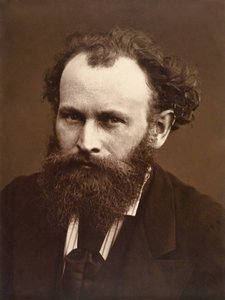
에두아르 마네
1832 - 1883 , 프랑스
작가 정보 요약
- 국적: 프랑스인
- 대표작:
- déjeuner sur l'herbe
- Olympia
- A Bar at the Folies-Bergère
- 사망일: 1883년 4월 30일
- 영향을 받은 예술가:
- 클로드 모네
- 피에르 오귀스트 르누아르
- 드가
- 영향을 준 예술가:
- 카라바지오
- 벨라스케스
- 구스타브 쿠르베
- 예술 사조: 사실주의, 인상주의
- 전체 이름: 에두아르 마네
- 출생일: 1832년 1월 23일
- 출생지: 파리, 프랑스
관련 기사
Édouard Manet: Pioneering Modernism & Challenging Artistic Conventions
Explore the life & art of Édouard Manet, a pivotal figure bridging Realism and Impressionism. Discover his revolutionary techniques, controversial masterpieces like 'Olympia,' and lasting impact on modern art history.

Impressionistic Realism's Finest: 10 Masterpieces for Your Home | OriginalUniqueArt
Journey through Impressionistic Realism with 10 iconic masterpieces by Monet, Renoir & Van Gogh. Explore art history, techniques & find museum-quality reproductions for your home at OriginalUniqueArt.com. Discover all masterpieces online!
인상주의를 정의한 걸작 10점: 예술, 역사, 그리고 홈 데코 영감
모네, 르누아르 등 인상주의 거장들의 명작을 만나보세요. 빛과 색채의 혁신적인 기법으로 탄생한 예술 작품 속 역사와 감동을 느껴보세요. OriginalUniqueArt.com에서 고품질 미술 작품을 온라인으로 감상하고 특별한 홈 데코 영감을 얻으세요.
에두아르 마네 최고 걸작 25선: 현대 미술의 선구자 | OriginalUniqueArt
에두아르 마네 최고 걸작 25선을 만나보세요. 인상주의 화가 마네의 혁신적인 기법과 파격적인 작품 세계를 탐험하고, OriginalUniqueArt에서 고품질 명화 복제본으로 예술을 경험하세요. 지금 바로 컬렉션을 확인하세요!
디트로이트 미술관 최고 명작 25선: 예술의 감동과 인테리어 영감
디트로이트 미술관 최고 명작 25선을 만나보세요. 반 고흐, 모네 등 거장들의 숨겨진 이야기와 예술의 감동을 느껴보세요. OriginalUniqueArt.com에서 박물관 품질의 작품 복제 및 인테리어 영감을 얻으세요! 지금 바로 컬렉션을 탐험하세요.


