Impressionism · 1874
Boating (에두아르 마네, 1874)
에두아르 마네 (1832–1883) 작가의 Boating 1874년에 제작되었습니다. Impressionism 운동에 속합니다. Oil On Canvas(으)로 제작되었습니다. 크기는 97 × 130 cm입니다.
- 1874
- Oil On Canvas
- 97 × 130 cm

 미리보기

 수작업 유화 작품
 공유하기
 공유하기
 학습용 요약본


 다운로드
 유사 작품 더 보기
 X-레이
 슬라이드 쇼 보기
 질의응답

 통계 정보
Boating 요약
- 제목
- Boating
- 작가
- 에두아르 마네 (1832–1883)
- 작가 출생지
- 옛 파리 10구, 프랑스
- 제작 연도
- 1874
- 매체
- Oil On Canvas
- 크기
- 97 × 130 cm
- 제작 시기
- 19th Century
- 주제
- boating, summer, manet, seine river, leisure, couple
Boating은(는) 무엇을 묘사하고 있나요?
Boating: A Glimpse of Parisian Leisure in Manet’s Impressionistic Vision
Édouard Manet's *Boating*, painted in 1874, isn’t merely a depiction of a summer afternoon on the Seine; it’s a carefully constructed tableau that encapsulates the burgeoning spirit of modern life and marks a pivotal moment in the transition from academic art to Impressionism. Often considered Manet’s first truly Impressionist work – though he resisted the label himself – *Boating* invites us into a fleeting, sun-drenched scene of leisure, capturing not just the visual elements but also the atmosphere and emotional resonance of a Parisian summer. The painting immediately draws the eye with its vibrant palette: deep blues and greens dominate the water and sky, contrasted by the warm yellows and whites of the sailboat and the figures within. This deliberate use of color, applied in loose, broken brushstrokes – a hallmark of Impressionism – creates an immediate sense of movement and light, as if we too are caught in the gentle rocking of the boat. The subject matter itself is deceptively simple: a man and woman enjoying a leisurely sail. However, Manet imbues this commonplace scene with a subtle complexity. The identity of the figures remains somewhat enigmatic; art historians often suggest that the man is Rodolphe Leenhoff, Manet’s brother-in-law, while the woman's face is less defined, adding to the painting’s sense of intimacy and mystery. They are positioned in a way that invites observation, their gazes meeting ours across the canvas – a bold departure from the traditional, static poses found in earlier academic paintings. The inclusion of other figures in the background – likely passengers or crew members – further enriches the scene, hinting at a larger social context without disrupting the primary focus on the couple. This layering of detail is characteristic of Manet’s approach, blending observation with artistic interpretation.The Painting's Significance and Historical Context
*Boating*'s significance extends beyond its aesthetic qualities; it represents a crucial shift in artistic priorities. In the mid-19th century, painting was largely dominated by the Salon, an official exhibition controlled by the Académie des Beaux-Arts. Artists were expected to adhere to strict rules of composition, subject matter, and technique – primarily historical or mythological scenes rendered with meticulous detail and idealized forms. Manet, however, challenged these conventions. He began to depict modern life—the everyday activities and people of Paris—with a frankness that shocked many viewers. *Boating* exemplifies this shift, capturing a slice of bourgeois leisure in a way that was both contemporary and subtly subversive. The painting was exhibited at the 1879 Salon, a venue where Manet often showcased his work alongside other Impressionists, signaling his alignment with this emerging artistic movement. The year 1874 was particularly significant for Paris. The city was experiencing rapid industrialization and urbanization, leading to new forms of leisure and social interaction. Boating on the Seine became increasingly popular among the upper classes, offering a respite from the hustle and bustle of urban life. Manet’s painting captures this trend perfectly, presenting a romanticized vision of Parisian summer days. Interestingly, *Boating* was created during a period when Manet was living in Gennevilliers, a suburb of Paris, allowing him to observe and paint scenes directly from his surroundings. This proximity to the subject matter undoubtedly contributed to the painting’s sense of immediacy and authenticity.Artistic Style and Technique: A Bridge Between Realism and Impressionism
Manet's technique in *Boating* is a fascinating blend of realism and Impressionist innovation. While he retains a degree of meticulousness in his rendering of details – particularly the sailboat and the figures’ clothing – he employs loose, visible brushstrokes that capture the fleeting effects of light and atmosphere. This approach, influenced by his time spent painting alongside Claude Monet, departs significantly from the smooth, polished surfaces favored by academic painters. The use of broken color—applying small dabs of paint side-by-side rather than blending them together—creates a shimmering effect, particularly noticeable in the water and sky. Mary Mathews Gedo, a former clinical psychologist turned art historian, aptly described *Boating* as “quintessentially Monet-esque,” highlighting Manet’s adoption of Impressionist techniques while retaining his own distinct artistic voice. The painting's composition is also noteworthy; it utilizes a slightly elevated viewpoint, placing the viewer in an almost voyeuristic position, observing the couple from a distance. This perspective adds to the sense of intimacy and immediacy, drawing us into the scene as if we are witnesses to a private moment.Symbolism and Emotional Impact
Beyond its technical merits, *Boating* is rich in symbolism. The sailboat itself represents freedom, adventure, and escape – themes that resonated deeply with the burgeoning middle class of 19th-century Paris. The couple’s relaxed posture and shared gaze suggest a sense of connection and contentment. The inclusion of the birds soaring above the boat adds to the painting's feeling of lightness and joy. Even seemingly minor details, such as the woman’s tall hat with its blue stripe, contribute to the overall impression of elegance and sophistication. Ultimately, *Boating* is more than just a depiction of a summer sail; it’s an exploration of human connection, leisure, and the changing landscape of Parisian society. It's a testament to Manet's ability to capture not only the visual appearance of a scene but also its emotional essence – a quality that continues to resonate with viewers today. For those seeking a deeper understanding of this pivotal work, reproductions are available on OriginalUniqueArt.com, offering an opportunity to experience the beauty and complexity of *Boating* firsthand.Boating의 고해상도 이미지


작품 정보
에두아르 마네, Boating (1874). 퍼블릭 도메인
Boating에 관한 질문과 답변
에두아르 마네의 "Boating"에는 어떤 기법이 사용되었나요?
"Boating"은(는) Oil On Canvas 기법으로 제작되었습니다.
에두아르 마네의 "Boating"에는 어떤 모습이 담겨 있나요?
"Boating"에 담긴 소재는 boating, summer, manet, seine river, leisure, couple, impressionism입니다.
에두아르 마네의 "Boating"의 이미지를 자유롭게 복제할 수 있나요?
저작권과 관련하여, "Boating"은(는) 퍼블릭 도메인 - 저작권 보호 기간이 만료되었습니다 상태입니다.
에두아르 마네의 "Boating"은(는) 어떤 미술 사조에 속하나요?
아티스트 에두아르 마네 소개
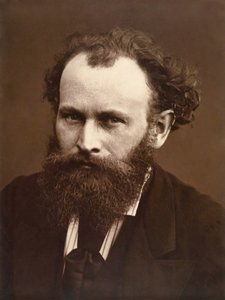
1832–1883, 프랑스
에두아르 마네
유년 시절, 가족 그리고 예술적 훈련 에두아르 마네는 1832년 1월 23일, 파리의 부유한 가정에서 태어났습니다. 프랑스 법무부에서 고위직을 맡고 있던 아버지의 장남으로 자라난 그는, 아버지가 설계한 해군이나 법조계라는 안정적인 길을 걷기를 기대받았습니다. 소년은 그 기대에 부응하기 위해 노력했으나, 해군 사관학교 입학시험에서 두 차례나 낙방하는 좌절을 맛보았습니다. 하지만 이 실패는 역설적이게도 그의 시선을 화실로 돌리는 결정적인 계기가 되었습니다.
에두아르 마네의 다른 작품들
 풀밭 위의 점심 (Pulpbat Uie Jeomsim)1863
 올림피아1863
 Édouard Manet
A Parisian Rebel: The Life and Art of Édouard Manet
Édouard Manet, born in 1832 into a comfortable bourgeois family in Paris, was hardly destined for the life of a revolutionary artist. His father, a respected judge, envisioned a secure fu1882
 피리 부는 소년1866
Boating 관련 에세이
 Boats on Canvas: 10 Masterpieces of Maritime Art for Your Home DecorSail away with 10 iconic boat paintings! Explore masterpieces by Monet, Van Gogh & Turner. Discover the stories behind these timeless seasc…
 인상주의를 정의한 걸작 10점: 예술, 역사, 그리고 홈 데코 영감모네, 르누아르 등 인상주의 거장들의 명작을 만나보세요. 빛과 색채의 혁신적인 기법으로 탄생한 예술 작품 속 역사와 감동을 느껴보세요. OriginalUniqueArt.com에서 고품질 미술 작품을 온라인으로 감상하고 특별한 홈 데코 영감을 얻으세요.
 Édouard Manet: Pioneering Modernism & Challenging Artistic ConventionsExplore the life & art of Édouard Manet, a pivotal figure bridging Realism and Impressionism. Discover his revolutionary techniques, contro…