
 미리보기
미리보기
 프린트 구매
 공유하기
공유하기 공유하기
공유하기
 상세 정보
상세 정보

 다운로드
다운로드
 유사 작품
유사 작품 X-레이
X-레이 슬라이드 쇼
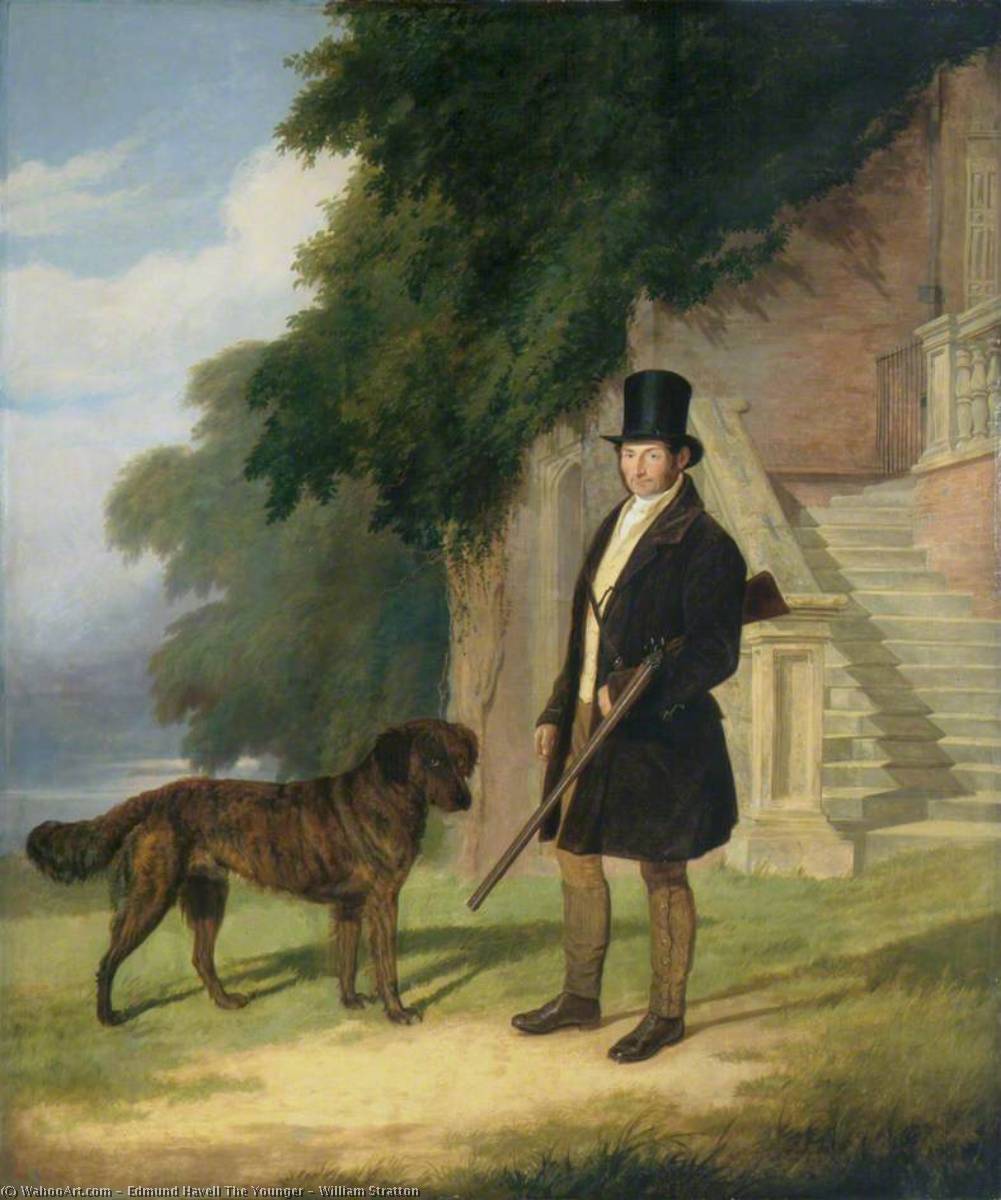
William Stratton
 1840
1840 177.0 x 147.0 cm
 Government Art Collection
 더 보기
더 보기




































작품의 원본 비율을 유지하는 미리 설정된 크기 중에서 선택하세요.

특정 프레임이나 공간에 맞도록 직접 크기를 입력할 수 있습니다. 선택하신 크기가 원본 이미지의 비율과 일치하지 않는 경우, 작품을 자르거나 추가적인 손으로 그린 요소를 사용하여 그림을 확장합니다. 제작 시작 전 승인을 위해 디지털 목업을 보내드립니다.
화면 미리 보기는 실제 자르기 또는 확장을 반영하지 않습니다. 최종 구성은 목업을 통해서만 정확하게 확인하실 수 있습니다.
맞춤 크기 제작도 가능하지만, 원본 비율을 유지하기 위해 사전 정의된 목록에서 크기를 선택하시는 것을 권장합니다.
주문 후 OriginalUniqueArt.com 팀에서 상세 안내를 위해 고객님께 이메일을 보내드리며, 미리보기 시안을 제공해 드립니다.


 유리 옵션은 110cm 미만 크기에서만 선택 가능합니다.

William Stratton
재현 기법
복제본 크기
-


최종 결제 금액
$ 300
작가 약력
Edmund Havell the Younger (1819–1899): Cotswold Painter and Aquatint Pioneer
Edmund Havell the Younger (1819 – 1894) stands as a prominent figure in Victorian British watercolor painting, particularly celebrated for his serene depictions of the Cotswolds landscape and his mastery of aquatint engraving—a technique that revolutionized printmaking during his era. Born in Reading, Berkshire, he inherited artistic talent from his father, Luke Havell, a drawing master who instilled in him a lifelong passion for observation and meticulous detail.
- Early Life & Education: Luke Havell’s influence extended beyond mere encouragement; he actively fostered William’s artistic inclinations by securing him a position at Reading Grammar School and establishing a small print shop alongside his son. This formative experience instilled in Edmund a deep understanding of both visual art and the craft of printing, shaping his future endeavors.
- Marriage & Family: Edmund married Maria Waldo Sibthorp in 1846, cementing his personal life amidst the burgeoning artistic community of London. Their union produced several children who continued the Havell family’s legacy of artistic pursuits.
Watercolor Landscapes and Cotswold Idyllicism
Havell's artistic output primarily focused on watercolor landscapes, capturing the tranquil beauty of the Cotswolds region with remarkable accuracy. Unlike many of his contemporaries who favored grand vistas or dramatic compositions, Havell meticulously rendered scenes of rural life—rolling hills dotted with sheep, picturesque villages nestled amongst verdant meadows—emphasizing subtle tonal variations and atmospheric perspective. His canvases convey a profound sense of peace and contemplation, reflecting the Romantic ideals prevalent during Victorian times.
- Technique: Havell’s watercolor technique was characterized by painstaking layering and blending, achieved through countless revisions and corrections. He employed a wet-on-wet method—applying pigment to damp paper—allowing for gradual diffusion of color and creating luminous effects that captured the essence of natural light.
- Notable Works: Among his most celebrated paintings are “Weston Sands” (1853), showcasing the Cotswolds coastline bathed in golden sunlight, and “Maria, Widow of Charles Delaet Waldo Sibthorp,” a portrait capturing Sibthorp’s serene countenance against a muted backdrop. These works exemplify Havell's commitment to portraying subjects with sensitivity and artistic integrity.
Aquatint Engraving: A Revolutionary Process
Beyond his watercolor paintings, Edmund Havell achieved international renown as an aquatint engraver—a technique pioneered by William Havell Sr., Luke’s son. Aquatint involved etching a plate with acid lines and then applying a resin wax coating to create tonal variations when the plate was burnished. This method allowed for unprecedented levels of detail and subtlety in printmaking, surpassing the capabilities of traditional mezzotint engraving.
- Collaboration with Audubon: Havell’s most ambitious project involved collaborating with ornithologist John James Audubon on the monumental “Birds of America” folio—a groundbreaking achievement in scientific illustration. Havell skillfully engraved over 800 plates, meticulously transferring Audubon's drawings onto copper plates and applying aquatint to achieve stunning tonal realism.
- Influence & Legacy: Havell’s contribution to aquatint engraving profoundly impacted the artistic landscape of his time and beyond. His meticulous craftsmanship and unwavering dedication to capturing natural beauty established him as a cornerstone of Victorian watercolor painting and printmaking—a testament to the enduring power of observation, patience, and artistic innovation.
Recognition & Museums Collections
Havell’s artistic accomplishments garnered considerable acclaim during his lifetime. He was recognized as a member of the Royal Society of Painters in Watercolours, cementing his position within the influential artistic circles of London. Today, Havell's paintings reside in prominent museums across Britain and internationally, including St Edmund’s College Cambridge, where they continue to inspire admiration for their serene beauty and masterful execution.
- Notable Museums: His works can be found at the Tate Britain, Birmingham Museum & Gallery, and Ashmolean Museum Oxford.
Further Research Resources
For those wishing to delve deeper into Edmund Havell’s life and artistic oeuvre, resources such as AskART (
edmund havell the younger
1819 - 1899
주요 정보
- Artistic Movement Or Style: Watercolorist
- Artists Or Movements Influenced By This Artist: ['Romanticism']
- Artists Who Influenced This Artist: ['William Havell']
- Date Of Death: 1899
- Full Name: Edmund Havell the Younger
- Nationality: British
- Notable Artworks: ['Weston Sands']
- Place Of Birth: Reading, Berkshire

