

 실제 크기로 보기
 보내기
보내기 공유하기
공유하기
 상세 보기
상세 보기 가이드 보기

 이미지 다운로드
 유사 작품 더 보기
 X-레이
X-레이 슬라이드 쇼 보기
 통계 정보
통계 정보Maestà
 Tempera On Panel
- Italian Gothic
 1280
1280- Late Medieval
 218.0 x 118.0 cm
 Chiesa dei Servi
 상세 보기
상세 보기
지클레 / 아트 프린트
빠른 제작과 다양한 마감 옵션을 선택할 수 있는 박물관 수준의 지클레이 및 캔버스 프린트. ( 수작업 채색 복제본 주문하기 디지털 이미지 판매 채널로 전환)




P118B $10

P118H $10

P118W $10

P438Z $10

P508JH $12

P508YH $12

P805H $10

P805Z $10

P919BZ $10

P919G $10

P919XJ $10

P959ZH $10

P968JZ $12

W106C $8

W218G $10

W218JH $8

W218Y $10

W307PJ $10

W316G $10

W316PJ $8

W316Y $10

W398PJ $8

W4111J $10

W500HY $15

W500JH $15

W692G $12

W849H $8

W940BG $15

W953PJ $8




작품의 원본 비율을 그대로 유지하는 프리셋 사이즈 중에서 선택해 보세요.

특정 프레임이나 공간에 맞춰 직접 치수를 입력하실 수 있습니다. 선택하신 사이즈가 원본 이미지의 비율과 일치하지 않을 경우, 작품을 크롭(자르기)하거나 이미지를 대칭 또는 단색 채우기로 확장하여 제작합니다. 제작 시작 전, 최종 확인을 위해 디지털 목업이 전송됩니다.
화면상의 미리보기는 실제 크롭이나 확장 상태를 반영하지 않으므로, 최종 구도는 오직 목업을 통해서만 정확하게 확인하실 수 있습니다.
맞춤 사이즈 제작도 가능하지만, 원본 비율을 유지하기 위해서는 사전 정의된 목록에서 치수를 선택하시는 것을 권장합니다.


 유리 옵션은 110cm 미만 크기에서만 선택 가능합니다.

Maestà
지클레 / 아트 프린트
복제본 규격
-


총 결제 금액
$ 80
The Majesty of Siena: Duccio’s Pioneering Vision
Duccio di Buoninsegna's Maestà, completed around 1280 in Siena, stands as a monumental achievement—a cornerstone upon which the burgeoning artistic landscape of Tuscany would be built. More than just a depiction of Mary and Jesus; it represents a decisive break from Byzantine formalism, embodying a nascent humanist impulse that sought to elevate religious art beyond mere representation towards genuine emotional expression. The painting’s genesis coincided with a period of profound spiritual fervor within Christendom, yet Duccio refused to adhere to the conventions of his time, forging instead a path toward a more nuanced and psychologically resonant portrayal of sacred subjects.- Subject Matter & Composition: At its core lies an exquisitely rendered Virgin Mary cradling Jesus Child—a motif deeply rooted in Byzantine iconography—however Duccio’s genius resided in his masterful manipulation of spatial perspective and compositional balance. Unlike the flattened, stylized backgrounds characteristic of earlier works, Maestà employs a subtly receding horizon line, creating a sense of depth that draws the viewer into the scene. The positioning of Mary and Jesus at the center, flanked by two angels—one on each side—reinforces their divine majesty while simultaneously establishing a harmonious equilibrium.
- Style & Technique: Duccio’s stylistic innovations are immediately apparent in his use of tempera paint on panel—a technique favored for its luminosity and durability. He eschewed the laborious process of glazing, opting instead for meticulous layering of pigments to achieve astonishing textural detail. Observe particularly the drapery of Mary's robe; it flows with an unprecedented realism, conveying movement and volume that surpasses anything seen in Byzantine art. This deliberate departure from tradition signaled a crucial step toward naturalism—a desire to capture not just what was seen but also how it felt.
Historical Context & Influences
The Maestà emerged during Siena’s Golden Age, a period marked by civic pride and artistic patronage. The painting served as a powerful emblem of papal authority—commissioned by Pope Nicholas III—and reflected the broader theological concerns of the era: contemplation on divine grace and the incarnation of Christ. However, Duccio's vision wasn’t solely defined by its ecclesiastical purpose. He drew inspiration from Romanesque art, particularly frescoes in churches like San Giorgio Maggiore in Venice, demonstrating a willingness to engage with artistic precedents while simultaneously forging his own distinctive voice. The influence of Byzantine mosaics—particularly those adorning Hagia Sophia—is undeniable, yet Duccio skillfully transformed these stylistic elements into something wholly original.Symbolism & Emotional Resonance
Beyond its formal achievements, Maestà is laden with symbolic significance. Mary’s serene countenance embodies humility and compassion—qualities considered paramount in Christian piety. The angels represent divine guardianship and proclaim the glory of God. The inclusion of three additional figures—one at the top left corner, one at the bottom left corner, and one on the right side—adds to the painting's complexity, suggesting a broader cosmic narrative encompassing creation and redemption. Most powerfully, Maestà communicates an overwhelming sense of spiritual contemplation—a profound appreciation for beauty and grace that transcends mere visual representation. It invites viewers to immerse themselves in the divine presence, fostering feelings of reverence and awe.A Legacy Enduring Through Reproduction
Today, OriginalUniqueArt’s meticulously crafted reproductions capture the essence of Duccio’s Maestà—preserving its luminous colors, textural richness, and emotive power. Whether adorning a grand salon or gracing a smaller interior space, this iconic artwork continues to inspire admiration for its artistic brilliance and spiritual depth. Explore our collection now and experience the majesty of Siena firsthand.작가 소개
두치오 디 부오닌세냐: 중세 미술의 빛나는 선구자
13세기 후반에서 14세기 초 시에나를 중심으로 활동했던 두치오 디 부오닌세냐는 이탈리아 미술사의 중요한 전환점을 장식하는 인물입니다. 그는 비잔틴 양식과 초기 고딕 양식이 공존하던 시대에, 종교적 상징성과 인간적인 감성이 조화롭게 어우러진 독창적인 화풍을 개척했습니다. 그의 삶에 대한 자세한 기록은 남아있지 않지만, 남겨진 작품들을 통해 우리는 두치오가 단순한 모방이 아닌, 새로운 예술적 비전을 제시하며 이탈리아 미술의 발전에 지대한 영향을 미쳤음을 알 수 있습니다. 시에나의 화단에서 두치오는 단순히 그림을 그리는 장인이 아니라, 시대와 종교적 신념을 반영하며 혁신적인 표현 방식을 탐구하는 예술가였습니다.
비잔틴 전통과 새로운 표현 방식의 융합
두치오의 초기 작품들은 비잔틴 미술의 영향을 강하게 드러냅니다. 황금빛 배경, 정형화된 인물 표현, 엄격한 종교적 상징성은 그의 그림에서 쉽게 찾아볼 수 있습니다. 그러나 두치오는 이러한 전통적인 요소들을 단순히 답습하는 데 그치지 않고, 점차적으로 새로운 시도를 더해 나갔습니다. 그는 화면에 깊이감을 부여하기 위해 공간 구성을 실험하고, 색채를 더욱 섬세하게 조절하여 이전에는 보기 힘들었던 부드러운 조화를 창조했습니다. 무엇보다도 두치오의 그림 속 인물들은 이전 시대의 작품들에서 찾아볼 수 없던 인간적인 감정을 담고 있습니다. 미묘한 표정 변화, 자연스러운 자세는 보는 이로 하여금 종교적 대상이 아닌, 살아있는 존재처럼 느끼게 합니다. 이러한 변화는 비잔틴 미술의 엄격함을 벗어나면서 나타난 두치오만의 독특한 특징입니다.
대표작: 루첼라이 마돈나와 마에스타
두치오의 예술적 역량을 가장 잘 보여주는 작품으로는 1285년에 제작된 루첼라이 마돈나와 1308년부터 1311년까지 제작된 거대한 제단화 마에스타를 들 수 있습니다. 루첼라이 마돈나는 초기 작품임에도 불구하고, 두치오의 혁신적인 시도를 엿볼 수 있는 중요한 작품입니다. 화면 구성을 통해 공간감을 부여하고, 성모 마리아와 아기 예수의 모습을 더욱 자연스럽게 표현했습니다. 그러나 그의 진가를 가장 잘 드러내는 작품은 단연 마에스타입니다. 이 거대한 제단화는 성모 마리아의 삶과 관련된 다양한 장면들을 담고 있으며, 각 장면마다 세밀한 묘사와 풍부한 색채를 사용하여 보는 이로 하여금 마치 한 편의 드라마를 감상하는 듯한 느낌을 선사합니다. 마에스타는 두치오의 뛰어난 예술적 기량과 종교적인 신념이 완벽하게 조화를 이루는 걸작입니다.
후대 미술에 미친 영향: 시에나 화파의 탄생
두치오는 생전에 이미 명성을 얻었으며, 그의 작품은 후대 미술가들에게 지대한 영향을 미쳤습니다. 특히 시에나를 중심으로 형성된 시에나 화파는 두치오의 예술적 유산을 계승하여 독자적인 발전을 이루었습니다. 시메온 마르티니, 리포 멤미, 피에트로 로렌체티 등 그의 제자들이 두치오의 기법과 표현 방식을 발전시켜 나가면서 시에나 화파는 이탈리아 미술의 중요한 흐름으로 자리 잡았습니다. 두치오의 자연주의적 경향은 이후 르네상스 시대의 미술가들에게 영감을 주었으며, 그의 작품들은 서양 미술사의 중요한 전환점으로 평가받고 있습니다. 그는 종교적인 주제를 다루면서도 인간의 감성을 섬세하게 표현함으로써, 미술을 통해 신앙과 예술이 어떻게 조화를 이룰 수 있는지를 보여주었습니다.
두치오 디 부오닌세냐: 영원한 아름다움
두치오 디 부오닌세냐는 중세 미술의 빛나는 별로서, 그의 작품들은 오늘날까지도 많은 사람들에게 감동과 영감을 선사하고 있습니다. 그는 비잔틴 전통을 계승하면서도 새로운 표현 방식을 탐구하며 이탈리아 미술의 발전에 크게 기여했습니다. 그의 예술적 업적은 시에나 화파를 탄생시키고 후대 미술가들에게 지대한 영향을 미쳤으며, 오늘날까지도 서양 미술사의 중요한 한 페이지를 장식하고 있습니다. 두치오 디 부오닌세냐는 단순한 화가가 아닌, 시대와 신앙을 초월하여 영원한 아름다움을 창조해낸 예술가였습니다.

두치오 디 부오닌세냐
1255 - 1319 , 이탈리아
작가 정보 요약
- 국적: 이탈리아인
- 대표 작품:
- 루첼라이 마돈나
- 마에스타
- 폴립티코 28번
- 사망일: 1319년 8월 3일
- 영향을 받은 예술 사조:
- 시에나파
- 이탈리아 고딕
- 영향을 준 예술가: ['비잔틴 미술']
- 예술 사조: 고딕, 시에나파 화단
- 전체 이름: 두치오 디 부오닌세냐
- 출생일: 약 1255년경
- 출생지: 시에나, 이탈리아
관련 기사
Proto-Renaissance Masters: 10 Artworks That Changed History | OriginalUniqueArt
Journey back to the dawn of Renaissance art! Explore 10 iconic Proto-Renaissance masterpieces by Giotto, Cimabue & Duccio. Discover their stories, techniques & lasting impact. Find museum-quality reproductions for your home at OriginalUniqueArt.com
Late Medieval Masterpieces: 10 Artworks That Defined an Era | OriginalUniqueArt
Journey through 10 defining Late Medieval masterpieces – from Giotto's frescoes to Jan van Eyck’s realism. Explore the stories, techniques & vibrant colors of Gothic art. Find museum-quality reproductions and elevate your home decor with OriginalUniqueArt.com! Discover all masterpieces on OriginalUniqueArt.com
베니스 비엔날레 최고 명작 25선: 예술과 역사의 걸작을 만나다 | OriginalUniqueArt
베니스 비엔날레 최고 명작 25선을 만나보세요. 유명 화가들의 숨겨진 이야기와 추상화, 모던 아트 등 예술 작품의 깊이를 탐구합니다. OriginalUniqueArt에서 고품질 미술 컬렉션을 감상하고 특별한 인테리어를 완성하세요! 지금 바로 온라인으로 둘러보기.
조토 디 본도네의 걸작 25선: 시대를 초월한 예술과 영감, OriginalUniqueArt에서 만나보세요
조토 디 본도네의 시대를 초월한 25개의 걸작을 만나보세요. 르네상스 초기 미술의 혁신적인 기법과 감동적인 스토리를 OriginalUniqueArt에서 경험하세요. 고품질 조토 레플리카와 인테리어 디자인 영감을 지금 바로 탐험해보세요! OriginalUniqueArt.com
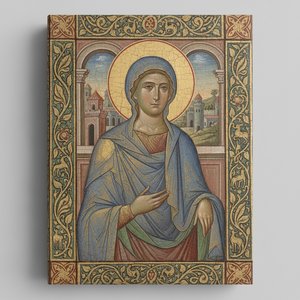
Tempera's Timeless Legacy: 10 Masterpieces That Revolutionized Art | OriginalUniqueArt
Journey through 10 legendary tempera on panel masterpieces by Giotto, Duccio & Botticelli. Explore the history, symbolism & enduring beauty of these iconic artworks. Find museum-quality reproductions for your home at OriginalUniqueArt.com.


