
 미리보기
미리보기
 공유하기
공유하기 공유하기
공유하기
 상세 정보
상세 정보 가이드 보기

 다운로드
다운로드
 유사 작품 더 보기
 X-레이
X-레이 슬라이드 쇼 보기
 질의응답
질의응답 통계 정보
통계 정보Self Portrait

- 46.0 x 37.0 cm


 더 보기
더 보기
이 페이지에 표시된 작품은 저작권법의 보호를 받으며, 이에 따라 동일한 복제품을 제작하거나 판매하는 것은 법으로 금지되어 있습니다. 이러한 권리 보호는 다음과 같은 국제 협약에 따라 시행됩니다. 베른 협약 또한 다음에서 명시하는 법률을 포함한 국내법에 의해 보호됩니다. 미국 저작권법 제17조.
이 방식은 저작권 보호를 받는 예술 작품을 복제하거나 그대로 재현하는 것이 아니기에 저작권 규정을 완벽히 준수합니다. 대신, 이는 창의적인 재해석의 과정을 거칩니다. 즉, 원작에서 영감을 받되 원작과 동일하지 않은 새로운 회화 작품을 의미합니다.
지클레 / 아트 프린트
빠른 제작과 다양한 마감 옵션을 제공하는 박물관 수준의 지클레이 및 캔버스 프린트. ( 수작업 채색 복제본 주문하기 디지털 이미지로 전환)




































작품의 원본 비율을 그대로 유지하는 프리셋 사이즈 중에서 선택해 보세요.

액자나 벽면 크기에 맞춰 필요한 가로와 세로 길이를 입력해 주세요. 프린트는 원본 이미지보다 크게 제작할 수 없으며 오직 자르는 것만 가능하므로, 비율이 다른 사이즈를 선택할 경우 이미지의 일부가 잘려 나갈 수 있습니다. 인쇄 작업에 들어가기 전, 최종 확인을 위해 디지털 목업을 보내드립니다. 이 페이지에 표시된 이미지는 실제 잘리는 영역을 나타내지 않으며, 오직 목업을 통해서만 정확한 확인이 가능합니다.


 유리 옵션은 110cm 미만 크기에서만 선택 가능합니다.

Self Portrait
지클레 / 아트 프린트
복제본 크기
-


최종 결제 금액
₩ 108033
작가 정보
A Life Painted in Northumberland Light: The World of Dorothy W. Moore
Dorothy W. Moore, born in 1897 and passing in 1973, remains a quietly compelling figure within the landscape of British art. While not a household name, her paintings offer a poignant glimpse into early 20th-century life, imbued with a delicate sensitivity to place and atmosphere. Her work is particularly notable for its evocative depictions of Northumberland, a region that clearly held a deep resonance for the artist. Moore’s artistic journey unfolded against a backdrop of significant social change, yet her focus remained steadfastly on capturing the beauty of everyday scenes – portraits, still lifes, and most powerfully, the rolling hills and coastal vistas of northern England. She wasn't merely documenting locations; she was translating feeling into pigment, offering viewers an intimate connection to the spirit of a place.Early Life and Artistic Development
Details surrounding Moore’s formal training remain somewhat elusive, but her paintings suggest a solid grounding in traditional techniques. The influence of Impressionism is subtly present in her handling of light and color, though she never fully embraced its radical departures from realism. Instead, Moore developed a distinctive style characterized by soft brushwork, muted palettes, and a keen eye for detail. Her early works often featured portraits – likely commissioned pieces – demonstrating an ability to capture the likeness and character of her sitters with quiet dignity. However, it was her move towards landscape painting that truly defined her artistic voice. Northumberland, with its dramatic skies, rugged coastline, and historic towns like Berwick-upon-Tweed, became a constant source of inspiration. The paintings from this period reveal a growing confidence in her ability to convey mood and atmosphere through the skillful manipulation of tone and texture.Northumberland as Muse: A Region Captured
Moore’s connection to Northumberland is central to understanding her work. She wasn't simply painting picturesque scenes for their aesthetic appeal; she was deeply invested in portraying the region’s unique character. Paintings like “Berwick upon Tweed, Old Bridge from Tweedmouth Dock” showcase this commitment. The bridge itself isn’t presented as a grand architectural statement but rather as an integral part of the landscape, interwoven with the daily life of the port town. Her depictions of the countryside are similarly nuanced, capturing the subtle shifts in light and weather that define the northern climate. The artist's ability to evoke a sense of place is remarkable, transporting viewers to the windswept hills and quiet coastal paths of Northumberland. Beyond the physical landscape, Moore also documented scenes of everyday life within the region, offering glimpses into the lives of its inhabitants.Beyond Landscapes: Portraits and Wartime Reflections
While best known for her landscapes, Moore’s oeuvre extends beyond this genre. Her portraits reveal a sensitivity to human character, often depicting subjects with a quiet dignity and understated elegance. The painting “Miss Marie E. Moore” is a particularly striking example, showcasing the artist's skill in capturing both likeness and personality. The outbreak of World War I profoundly impacted British society, and Moore’s work reflects this upheaval. "Miss Moore in British Red Cross Voluntary Aid Detachment Uniform" provides a poignant record of wartime service, depicting a woman engaged in vital support roles. This painting is not merely a portrait but a testament to the resilience and dedication of women during a time of national crisis. It’s a subtle yet powerful reminder of the sacrifices made by ordinary people during extraordinary times.Legacy and Historical Significance
Dorothy W. Moore's work, while perhaps not widely celebrated during her lifetime, offers a valuable contribution to our understanding of British art in the early 20th century. Her paintings provide a compelling glimpse into a specific time and place – Northumberland in the first half of the 20th century – capturing its beauty, character, and the lives of its inhabitants with quiet dignity and sensitivity.- Her dedication to portraying everyday scenes offers a refreshing alternative to more grandiose artistic statements.
- Moore’s skillful handling of light and color creates an evocative atmosphere that draws viewers into her world.
- The paintings serve as important historical documents, capturing the changing social landscape of early 20th-century Britain.

Dorothy W Moore
1897 - 1973
작가 정보 요약
- Artistic Movement Or Style: Impressionism influence, realism
- Full Name: Dorothy W. Moore
- Nationality: British
- Notable Artworks:
- Miss Marie E. Moore
- Berwick upon Tweed, Old Bridge
- Miss Moore in British Red Cross Uniform
- Date Of Birth: 1897
- Date Of Death: 1973
관련 콘텐츠

25 Must-See Masterpieces at the Detroit Institute of Arts
Explore 25 iconic DIA masterpieces, from Van Gogh to African art. Discover museum-quality treasures on OriginalUniqueArt.com.

25 Must-See Masterpieces at the Detroit Institute of Arts
Journey through the Detroit Institute of Arts with our curated guide to 25 iconic masterpieces. From Van Gogh to Monet, explore the stories behind these timeless works and find museum-quality art reproductions for your space. Discover all masterpieces on OriginalUniqueArt.com.

The Echo of Self: Reflectivity as a Core Theme in Art History & Contemporary Practice
Explore the rich history of self-representation in art, from Renaissance masters to modern innovators. Discover how artists use portraiture to reveal identity, emotion & the depths of the human psyche. Expert insights for collectors.
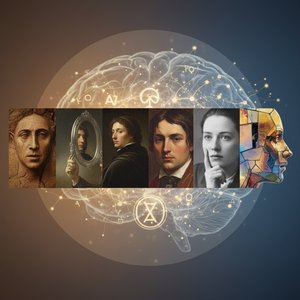
Reflecting the Self: A History of Portraiture & Psychological Insight
Explore the fascinating history of self-portraiture from Renaissance masters like Dürer & Rembrandt to modern interpretations. Discover the psychological insights and artistic techniques behind these iconic works. Expert analysis for art enthusiasts.

25 Must-See Masterpieces at the Detroit Institute of Arts
Journey through the Detroit Institute of Arts with our curated guide to 25 iconic masterpieces. From Van Gogh to Monet, explore the stories behind these timeless works and find museum-quality art reproductions for your decor. Discover all masterpieces on OriginalUniqueArt.com.