

 보내기
보내기 공유하기
공유하기
 상세 보기
상세 보기 가이드 보기

 이미지 다운로드
 유사 작품 더 보기
 슬라이드 쇼 보기
 통계 정보
통계 정보LA GLORIFICATION DE SAINT ANTOINE DE PADOUE


 상세 보기
상세 보기
지클레 / 아트 프린트
빠른 제작과 다양한 마감 옵션을 선택할 수 있는 박물관 수준의 지클레이 및 캔버스 프린트. ( 수작업 채색 복제본 주문하기 디지털 이미지 판매 채널로 전환)




































작품의 원본 비율을 그대로 유지하는 프리셋 사이즈 중에서 선택해 보세요.

특정 프레임이나 공간에 맞춰 직접 치수를 입력하실 수 있습니다. 선택하신 사이즈가 원본 이미지의 비율과 일치하지 않을 경우, 작품을 크롭(자르기)하거나 이미지를 대칭 또는 단색 채우기로 확장하여 제작합니다. 제작 시작 전, 최종 확인을 위해 디지털 목업이 전송됩니다.
화면상의 미리보기는 실제 크롭이나 확장 상태를 반영하지 않으므로, 최종 구도는 오직 목업을 통해서만 정확하게 확인하실 수 있습니다.
맞춤 사이즈 제작도 가능하지만, 원본 비율을 유지하기 위해서는 사전 정의된 목록에서 치수를 선택하시는 것을 권장합니다.


 유리 옵션은 110cm 미만 크기에서만 선택 가능합니다.

LA GLORIFICATION DE SAINT ANTOINE DE PADOUE
지클레 / 아트 프린트
복제본 규격
-


총 결제 금액
$ 80
A Celestial Dance: Unveiling Donato Creti’s “La Glorification de Saint Antoine de Padoue”
Donato Creti's "La Glorification de Saint Antoine de Padoue" isn’t merely a fresco; it’s an immersive experience, a vibrant testament to the theatricality and spiritual fervor of the Baroque era. Painted in 1728 for the church of San Giorgio Maggiore in Venice, this monumental work depicts a pivotal moment in the life of Saint Anthony of Padua – his ascension into heaven, surrounded by angels and enveloped in a cascade of golden light. The sheer scale of the fresco, combined with Creti’s masterful handling of color, texture, and movement, immediately commands attention, drawing the viewer into a world of divine grace and ecstatic celebration.
Creti's artistic journey was marked by a fascinating transition. Initially trained in architectural depictions under his father, Gioseffo Creti, he quickly embraced the dramatic potential of painting, particularly within the context of religious subjects. His relocation to Bologna proved crucial, exposing him to the established artistic traditions of the city and allowing him to refine his skills before returning to Venice. This period saw a shift from purely decorative elements towards a more profound engagement with narrative and emotional expression – qualities that are powerfully evident in “La Glorification de Saint Antoine.”
The Language of Light and Movement: Technique and Composition
The fresco’s technique is a testament to Creti's skill and the enduring legacy of the *buon fresco* method. Applied directly to freshly laid, wet plaster – a process demanding meticulous planning and execution – the pigments meld seamlessly with the material, creating an astonishingly durable and luminous surface. Observe closely how the artist builds up layers of color, starting with lighter tones in the background to create a sense of depth and receding space. The swirling clouds are rendered not as static forms but as dynamic masses of color and texture, conveying a palpable feeling of movement and ascension.
The composition itself is a carefully orchestrated spectacle. At its heart lies a female figure – often interpreted as the Virgin Mary or another divine intermediary – seated on a cloud, radiating serenity and offering guidance to Saint Anthony’s ascent. The saint himself, identifiable by his characteristic brown habit, rises dramatically towards her, surrounded by a host of angels engaged in a swirling dance of praise and adoration. Below, a collection of figures, likely representing devotees or saints, gaze upwards with expressions of reverence and hope. The arrangement isn't haphazard; it’s a deliberate pyramid of visual energy, culminating in the central figure and radiating outwards.
Symbolism Woven into Divine Glory
Beyond its immediate visual impact, “La Glorification de Saint Antoine” is rich with symbolic meaning. The dominant use of gold isn't simply decorative; it represents divine light, grace, and the glory of heaven. The upward trajectory of Saint Anthony’s ascent symbolizes his spiritual journey towards salvation – a potent metaphor for the aspirations of all believers. The angels themselves embody heavenly joy and celebration, their wings outstretched in a gesture of welcoming and adoration. Even the carefully chosen colors contribute to the overall message: blues and whites evoke purity and spirituality, while browns and creams ground the scene in earthly reality.
A Legacy of Baroque Drama
“La Glorification de Saint Antoine de Padoue” stands as a remarkable example of Creti’s artistic prowess and his ability to capture the emotional intensity of the Baroque style. While foreshadowing elements of the Rococo's more playful approach, it retains the drama, theatricality, and profound spiritual depth that characterize this pivotal period in art history. Its enduring appeal lies not only in its technical brilliance but also in its capacity to transport the viewer to a realm of celestial beauty and divine grace – a testament to the power of art to inspire awe and reverence.
작가 소개
세계를 잇는 볼로냐의 화가: 도나토 크레티의 삶과 예술
1671년 크레모나에서 태어나 1749년 볼로냐에서 생을 마감한 도나토 크레티는 바로크에서 로코코, 그리고 신고전주의로 이어지는 미술사의 거대한 전환기 속에서 때로는 간과되기도 하지만 매우 매혹적인 위치를 차지하고 있습니다. 그는 단순히 시대의 흐름에 휩쓸리는 데 그치지 않고, 변화하는 예술적 조류를 능동적으로 항해하며 연극적인 웅장함과 새롭게 떠오르는 절제된 형식미를 결토한 독창적인 예술적 목소리를 구축했습니다. 그의 아버지 조세포 크레티 역시 건축 묘사를 전문으로 했던 화가였는데, 이는 도나토가 초기에 극적인 배경을 다루면서도 궁극적으로는 단순한 장식을 넘어선 예술 세계를 구축할 수 있는 단단한 토대가 되었습니다. 어린 시절 가족과 함께 볼로냐로 이주한 사건은 그의 인생에서 결정적인 전환점이 되었으며, 그 도시의 풍요로운 예술적 유산에 몰입하게 함으로써 그의 눈부신 경력을 위한 무대를 마련해 주었습니다.형성기 시절과 예술적 발전
크레티의 예술적 여정은 조르조 라스파리니 밑에서의 도제로 시작되었으나, 그의 초기 예술 세계를 진정으로 형성한 것은 로렌초 파시넬리 사사였습니다. 과도기적 양식의 핵심 인물이자 귀도 레니의 계보를 잇는 볼로냐 학파의 거장 파시넬리는 그에게 엄격한 아카데미즘의 기초를 심어주었습니다. 크레티는 학생 시절부터 이미 탁월한 재능을 드러내어, 그의 영특함과 기술 덕분에 ‘라가치노(ragazzino)’, 즉 “소년”이라는 애정 어린 별명을 얻기도 했습니다. 이러한 천부적인 재능은 알레산드로 파바 백작의 후원을 이끌어냈고, 이는 그가 학문적 연구와 창의적 탐구를 이어갈 수 있는 결정적인 기회가 되었습니다. 초기 작품들에서는 카라치 가문의 역동적인 프레스코화에서 깊은 울림을 받는 한편, 베네치아 체류를 통해 베로네제와 같은 베네치아 거장들의 화려한 색채주의와 연극적 요소에 노출되었음을 알 수 있습니다. 이러한 초기작들은 특히 정교한 건축적 배경을 통해 베로네제풍의 화려함을 보여주곤 했습니다. 그러나 크레티는 단순한 모방에 안주하지 않았습니다. 그는 파시넬리의 가르침을 흡수하면서도, 장식적인 화려함을 넘어 보다 구조화되고 고전적인 원리에 기반한 독자적인 감성을 구축하기 시작했습니다.천상의 비전과 신화적 서사
크레티의 예술적 성취는 신화적 장면부터 알레고리적 구성, 종교적 주제에 이르기까지 놀라울 정도로 다채로웠습니다. 하지만 그를 가장 널리 알린 것은 밤의 풍경을 배경으로 천체를 묘사한 일련의 소형 캔버스들로, 이는 18세기 미술사에 있어 진정으로 독보적인 기여라 할 수 있습니다. 1711년 루이지 마르실리 백작의 의뢰로 제작된 이 작품들은 태양, 달, 혜성, 그리고 당시 알려진 다섯 행성(수성, 금성, 화성, 목성, 토성)을 담고 있으며, 교황 클레멘스 11세에게 전달될 외교적 선물로 기획되었습니다. 이 작품들은 단순한 미적 오브제를 넘어, 볼로냐에 천문 관측소를 설립하려는 움직임을 지지하는 일종의 캠페인 역할을 수행했습니다. 이러한 야심은 결국 교황청의 지원을 받아 실현되었으며, 이를 통해 크레티는 예술가를 넘어 문화적 옹호자로서의 입지를 굳혔습니다. 특히 목성을 그린 작품은 주목할 만한데, 목성의 대적점과 최소 두 개의 위성을 정확하게 묘사하고 있어 크레티의 예리한 관찰력과 당대 과학 지식에 대한 깊은 관심을 증명합니다. 이러한 천문학적 연구 외에도 <알렉산드리아의 성 카타리나의 신비로운 혼인>이나 <조셉 애디슨의 알레고리적 묘비>와 같은 작품들은 구도, 색채, 그리고 서사적 스토리텔링에 대한 그의 숙련된 통찰력을 잘 보여줍니다.전환과 영향의 유산
미술사학자 루돌프 위트코어는 크레티를 “볼로냐의 마르코 베네피알”이라고 적절히 묘사하며, 로코코의 장식적 경향과 새롭게 등장한 신고전주의 양식 사이의 간극을 메운 그의 중추적인 역할을 높이 평가했습니다. 그는 급진적인 혁신가는 아니었지만, 다양한 영향력을 흡수하여 자신만의 독특한 것으로 재탄생시킨 숙련된 통합가였습니다. 그의 작품은 고전적 원칙에 뿌리를 둔 의도적이고 정제된 아카데미즘적 대양식(grand style)을 특징으로 하며, 이는 인물의 명료한 모델링이 돋보이는 매너리즘적 신고전주의로 진화합니다. 이러한 우아함과 형식미의 조화는 당대인들에게 깊은 울림을 주었으며, 아우렐리아노 밀라니, 프란체스코 몬티, 에르콜레 그라치아니 2세와 같은 후대 예술가들에게 지대한 영향을 미쳤습니다. 예술적 기술과 과학적 호기심이 결합된 크레티의 독특한 면모는 그를 미술사에서 매우 매력적인 인물로 만듭니다. 그는 영감을 얻기 위해 과거를 바라보았고, 이해를 구하기 위해 하늘을 우러러보았던 화가였으며, 그가 남긴 유산은 오늘날까지도 우리에게 깊은 감동과 영감을 선사하고 있습니다.주요 제자들
- 아우렐리아노 밀라니
- 프란체스코 몬티
- 에르콜레 그라치아니 2세
- 도메니코 마리아 프라타
- 주세페 페로니

도나토 크레티
1671 - 1749
작가 정보 요약
- Artistic Movement Or Style: 로코코, 신고전주의
- Artists Or Movements Influenced By This Artist:
- 아우렐리아노 밀라니
- 프란체스코 몬티
- 에르콜레 그라치아니
- Artists Who Influenced This Artist:
- 카라치 형제
- 로렌초 파시넬리
- 파올로 베로네제
- Date Of Birth: 1671년 2월 24일
- Date Of Death: 1749년 1월 31일
- Full Name: 도나토 크레티
- Nationality: 이탈리아
- Notable Artworks:
- 목성
- 메르쿠리우스와 파리스
- 성 베르나르디노
- 천문학적 토성
- 애디슨의 묘
- Place Of Birth: 이탈리아 크레모나
관련 기사
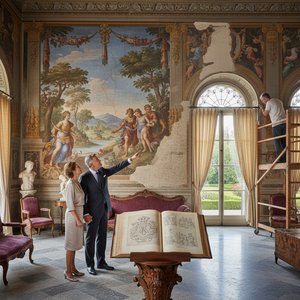
가족 유산의 벽화: 대를 잇는 예술적 전통과 기억의 보존
가족 유산의 벽화에 담긴 예술적 전통과 기억 보존의 의미를 탐구합니다. 프레스코 기법의 역사, 제작 과정, 복원 노력을 심층 분석하고 현대적인 응용 가능성을 제시합니다. 전문가의 시각으로 고품격 미술 정보를 제공합니다.

The Enduring Legacy of Fresco: Technique, History & Artistic Expression Across Cultures
Explore the rich history & enduring legacy of fresco painting! Discover ancient techniques, Giotto's masterpieces, and modern applications. Expert insights for art lovers & professionals.
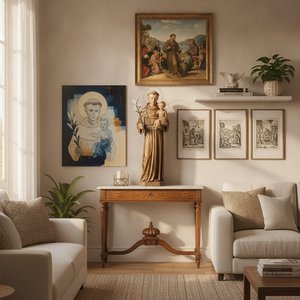
Discover the Divine: Inspiring Saint Anthony Artworks to Elevate Your Home Decor
Transform your home with the profound beauty of Saint Anthony artworks. Explore exquisite Baroque reproductions by Murillo and Zurbarán, hand-painted on 100% cotton canvas to bring divine serenity and timeless elegance to your interior design.

Drama and Light: A Definitive Guide to the Italian Baroque Masterpieces and the Revolution of Chiaroscuro
Explore the dramatic world of Italian Baroque art. Discover how masters like Caravaggio used chiaroscuro and tenebrism to revolutionize painting through light, shadow, and profound realism. A definitive guide for history lovers and art collectors.
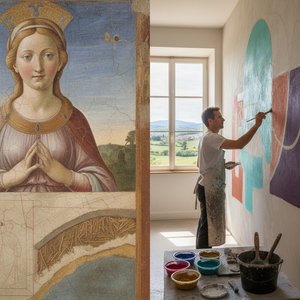
The Enduring Legacy of Fresco Painting: Techniques, History & Contemporary Relevance
Explore the rich history & enduring artistry of fresco painting – from Giotto to Michelangelo! Discover techniques, conservation efforts, & modern applications. Learn how OriginalUniqueArt brings this timeless art form to your home.