

 보내기
보내기 공유하기
공유하기
 상세 보기
상세 보기 가이드 보기

 이미지 다운로드
 유사 작품 더 보기
 슬라이드 쇼 보기
 통계 정보
통계 정보Cantoria
 Marble
- Sculpture
- Early Renaissance
 1439
1439 348.0 x 570.0 cm
 프라도 미술관
 상세 보기
상세 보기
핸드메이드 유화 복제화
작가가 직접 캔버스에 손으로 그린 유화 작품으로, 원하는 크기와 액자로 맞춤 제작해 드립니다. ( 프린트 판매로 전환 디지털 이미지 판매 채널로 전환)




































작품의 원본 비율을 그대로 유지하는 프리셋 사이즈 중에서 선택해 보세요.

액자나 벽면 크기에 맞춰 필요한 가로와 세로 길이를 입력해 주세요. 본 작품은 수작업으로 제작되므로, 요청하신 비율에 따라 작가가 그림의 가장자리를 조금 더 넓게 그리거나 일부를 조정하여 작업할 수 있습니다. 작업 시작 전, 최종 확인을 위해 디지털 목업 이미지를 보내드립니다. 이 페이지에 표시된 이미지는 실제 결과물과 다를 수 있으며, 오직 목업 이미지만이 정확한 결과물을 보여줍니다.
주문 완료 후 OriginalUniqueArt.com 팀에서 상세 안내를 위해 고객님께 이메일을 보내드리며, 미리보기 시안을 함께 제공해 드립니다.


 유리 옵션은 110cm 미만 크기에서만 선택 가능합니다.

Cantoria
재현 매체
복제본 규격
-


총 결제 금액
₩ 407789
The Echoes of Florence: Donatello’s Cantoria
Within the hallowed halls of the Museo dell'Opera del Duomo in Florence resides a sculpture that transcends mere stone and marble – it is an embodiment of Renaissance spirit, a vibrant testament to human aspiration. Donatello’s Cantoria, completed in 1439, isn’t simply a decorative element above a choir; it’s a dynamic narrative carved into the very fabric of space, inviting contemplation on faith, music, and the boundless energy of life itself. Commissioned for the south sacristy of Florence Cathedral, this monumental marble relief stands as a pivotal work, showcasing Donatello's mastery and signaling a dramatic shift in artistic expression.
The sculpture’s genesis lies within the Early Renaissance, a period of profound transformation where classical ideals intertwined with burgeoning humanism. Donatello, deeply influenced by his study of ancient Greek and Roman sculpture, sought to capture not just likeness but also emotion and movement – a departure from the more static representations prevalent in preceding centuries. The Cantoria reflects this ambition; it’s a celebration of earthly joy expressed through the depiction of a bustling scene of singing, dancing, and musical performance. The sheer scale of the work—measuring an impressive 348 x 570 cm—immediately commands attention, drawing the viewer into its intricate world.
A Symphony in Marble: Technique and Design
Donatello’s genius is immediately apparent in his masterful manipulation of marble. The sculpture isn't a smooth, polished surface; instead, it’s characterized by deeply incised lines, dramatic contrasts between light and shadow, and an astonishing level of detail. The figures are not rendered with idealized beauty but rather with a palpable sense of humanity – their faces etched with expressions of delight, exertion, and communal spirit. The use of architectural elements—columns, arches, and a pediment adorned with acanthus leaves—adds to the sculpture’s grandeur, creating a harmonious blend of classical form and Renaissance dynamism.
Notably, Donatello employed a technique known as “spolvero,” using a tool to dust away excess marble, leaving behind delicate lines that define the forms. This method, combined with his meticulous carving, results in an astonishingly lifelike quality, particularly evident in the faces of the figures. The incorporation of glass paste and gilded elements further enhances the visual impact, creating a shimmering effect that seems to imbue the scene with divine light. The frieze depicting dancing putti—winged cherubs—is a particular highlight, their swirling movements conveying an infectious sense of joy and celebration.
Symbolism and Spiritual Resonance
Beyond its technical brilliance, the Cantoria is rich in symbolic meaning. The act of singing and music itself represents praise and devotion to God – a core tenet of Renaissance spirituality. The depiction of diverse human activities—dancing, playing instruments, and engaging in communal rituals—underscores the importance of community and shared experience within the Christian faith. The use of the term “putti” (little spirits) suggests an elevation of these earthly pleasures to a realm of divine grace.
The architectural setting – the choir loft above the sacristy – further amplifies the sculpture’s symbolic significance. It was intended as a space for liturgical music and communal worship, transforming the Cantoria into more than just a decorative element; it became an integral part of the sacred ritual. The overall impression is one of exuberant joy and spiritual elevation, reflecting the Renaissance belief in the potential for human flourishing within a divinely ordained world.
A Legacy Enduring: Reproduction and Inspiration
Today, Donatello’s Cantoria remains a source of inspiration for artists and designers alike. Its dynamic composition, masterful technique, and profound symbolism continue to resonate with audiences across centuries. High-quality reproductions capture the essence of this remarkable sculpture, allowing viewers to appreciate its beauty and complexity in their own homes or studios. Whether admired as a historical artifact or simply enjoyed as a work of art, the Cantoria stands as a timeless testament to the creative genius of Donatello and the enduring power of Renaissance artistry.
작가 소개
초기 생애와 예술적 여정
도나토 디 니콜로 디 베토 바르디, 우리에게 도나텔로라는 이름으로 더욱 친숙한 이 위대한 거장은 1386년경 이탈리아 피렌체에서 태어났습니다. 그는 고전 조각을 깊이 있게 연구하며 그 정수를 흡수하였고, 이는 훗날 초기 르네상스 양식을 구축하는 데 결정적인 밑거름이 되었습니다. 예술과 문화를 바라보는 그의 혁신적인 시선은 결국 피렌체 르네상스를 상징하는 독보적인 이정표가 되었습니다.혁신적인 걸작과 예술적 성취
도나텔로의 가장 찬란한 업적으로 손꼽히는 '다비드'는 고대 이후 최초로 제작된 독립형 남성 누드 조각이라는 기념비적인 의미를 지닙니다. 메디치 가문의 의뢰로 탄생한 이 작품은 그의 실험적인 스타일과 탁월한 기술적 숙련도를 여실<|channel>로 보여줍니다. 그의 예술적 천재성은 다른 걸작들에서도 빛을 발합니다:- 툴루즈의 성 루이 (현재 산타 크로체 대성당 박물관 소장)는 도나텔로가 직접 설계한 고전적인 프레임이 조화를 이루며 깊은 울림을 줍니다.
- 이삭의 희생은 피렌체 산타 마리아 델 피오레 대성당의 종탑을 위해 제작되었으며, 인물의 특징을 포착한 강렬한 초상적 세밀함이 일품입니다.
- 산타 크로체를 위한 십자가 고난 (1425)은 그리스도의 극심한 고통의 순간을 생생하게 그려내어 보는 이의 마음을 뒤흔듭니다.
예술적 양식과 불멸의 유산
도나텔로의 예술 세계는 표현력의 발전과 고전적인 기념비성이라는 커다란 흐름으로 나뉩니다. 그의 파격적인 시도는 당대 사회에 즉각적으로 수용되지는 않았으나, 시간이 흐를수록 대중의 뜨거운 사랑을 받으며 이탈리아의 여러 궁정과 유럽 전역의 예술가들에게 지대한 영향을 미쳤습니다. 주요 예술 사조:- 이탈리아 르네상스
- 초기 르네상스
- 피렌체 르네상스 미술
인간적인 면모와 작업 방식
도나텔로는 성품이 온화하고 주변 사람들에게 큰 사랑을 받는 인물이었으나, 예술적 천재성에 비해 비즈니스적인 감각은 다소 부족했습니다. 그는 자신이 감당할 수 있는 수준보다 더 많은 의뢰를 맡는 경향이 있었고, 이로 인해 작업이 늦어지거나 때로는 다른 조각가들에게 작업을 넘겨주기도 했습니다. 주목할 만한 예술가와 작품들:박물관 및 예술 컬렉션:
- 콜레기아타 박물관 (이탈리아 엠폴리): 프란체스코 보티치니와 라파엘로 보티치니의 작품을 만날 수 있는 르네상스의 숨겨진 보석입니다.
- 초기 이탈리아 르네상스 예술 운동

도나텔로
1386 - 1466 , 이탈리아
작가 정보 요약
- Artistic Movement Or Style: 초기 르네상스
- Artists Or Movements Influenced By This Artist:
- 이탈리아 르네상스
- 초기 르네상스
- 피렌체 르네상스
- Artists Who Influenced This Artist: ['고전 조각']
- Date Of Birth: 약 1386년
- Date Of Death: 1466년
- Full Name: 도나텔로 디 니콜로
- Nationality: 이탈리아
- Notable Artworks:
- 다비드
- 툴루즈의 성 루이
- 이삭의 희생
- 십자가
- Place Of Birth: 이탈리아 피렌체
관련 기사

The Enduring Allure of Marble in Art History: From Classical Sculpture to Modern Abstraction
Explore the captivating history of marble sculpture from ancient Greece to modern art. Discover renowned artists like Canova & Michelangelo, carving techniques, and investment insights at OriginalUniqueArt.

The Enduring Form: Exploring Themes & Techniques in Sculpture Across Historical Periods
Explore the rich history of sculpture from ancient masterpieces to contemporary innovations. Discover key techniques, influential artists & investment potential for discerning art collectors.
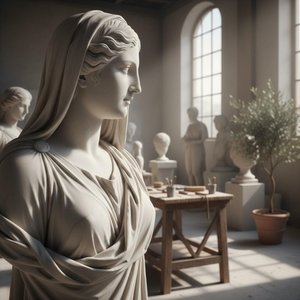
Timeless Elegance: A Complete Guide to the Sublime Beauty and Artistry of Marble Sculpture
Discover the sublime beauty of marble art through an expert exploration of Renaissance and Neoclassical masterpieces. From the delicate textures of Carpeaux to the grandeur of Sansovino, immerse yourself in a guide to timeless elegance and sculptural perfection.

Bronze Age to Modern Masters: 10 Sculptures That Redefined Art | OriginalUniqueArt
Journey through art history with 10 legendary bronze sculptures – from Michelangelo's David to Rodin’s Thinker. Explore the stories, techniques & timeless beauty of these masterpieces. Find museum-quality reproductions & elevate your home decor on OriginalUniqueArt.com.

Bronze Sculptures That Defined Art History | OriginalUniqueArt
Journey through art history with our Top 10 bronze sculptures! Explore masterpieces by Rodin, Michelangelo & more. Discover stories behind iconic statues and find museum-quality reproductions for your home decor at OriginalUniqueArt.com.