
 미리보기
미리보기
 공유하기
공유하기 공유하기
공유하기
 상세 정보
상세 정보

 다운로드
다운로드
 유사 작품
유사 작품 X-레이
X-레이 슬라이드 쇼
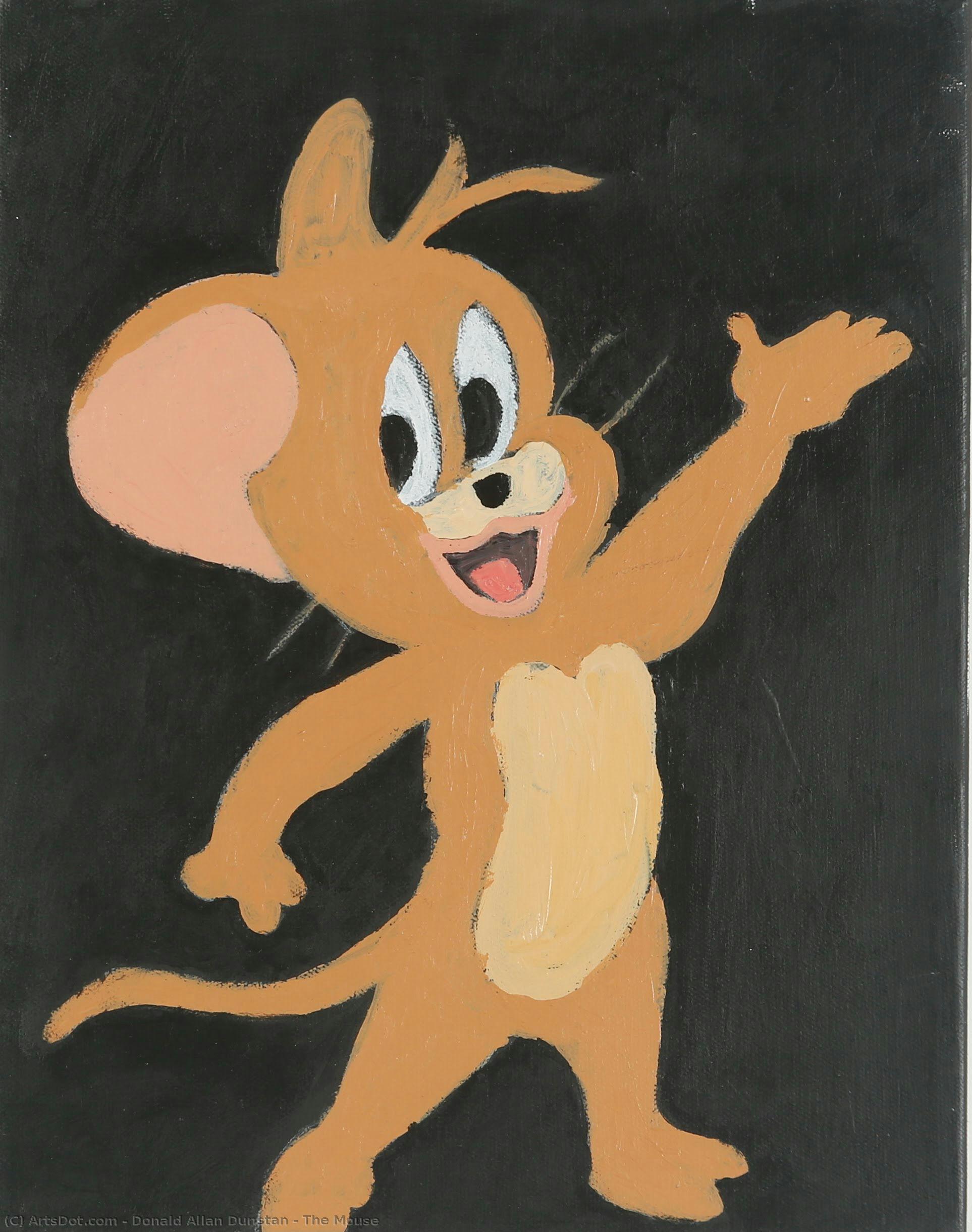
The Mouse

 더 보기
더 보기
지클레 / 아트 프린트
빠른 제작과 다양한 마감 옵션을 제공하는 박물관 품질의 지클레이 또는 캔버스 프린트. ( 수제 페인팅으로 전환하기 이미지로 전환)




































작품의 원본 비율을 유지하는 미리 설정된 크기 중에서 선택하세요.

특정 프레임이나 공간에 맞춰 직접 치수를 입력하실 수 있습니다. 선택하신 사이즈가 원본 이미지의 비율과 일치하지 않을 경우, 작품을 크롭(자르기)하거나 이미지를 대칭 또는 단색 채우기로 확장하여 제작합니다. 제작 시작 전, 최종 확인을 위해 디지털 목업이 전송됩니다.
화면상의 미리보기는 실제 크롭이나 확장 상태를 반영하지 않으므로, 최종 구도는 오직 목업을 통해서만 정확하게 확인하실 수 있습니다.
맞춤 사이즈 제작도 가능하지만, 원본 비율을 유지하기 위해서는 사전 정의된 목록에서 치수를 선택하시는 것을 권장합니다.


 유리 옵션은 110cm 미만 크기에서만 선택 가능합니다.

The Mouse
지클레 / 아트 프린트
복제본 크기
-


최종 결제 금액
$ 80
작가 약력
A Life Forged in Fiji: The Unexpected Path of Donald Allan Dunstan
Donald Allan Dunstan, a name often linked to the vibrant and sometimes controversial world of Mickey Mouse art, was far more than just a painter of iconic characters. Born in Suva, Fiji, in 1926, his journey from island life to becoming one of South Australia’s most transformative premiers is a story steeped in resilience, social justice, and an unexpected passion for pop culture. His early years were marked by displacement; at the age of two, his father took a managerial position with Morris Hedstrom Ltd in Nausori, Fiji, and then, due to health concerns, young Dunstan was sent to live with his maternal grandparents in Murray Bridge, South Australia, at the tender age of seven. This separation from his parents proved formative, instilling a sense of loneliness but also fostering a love for reading and music—seeds that would later blossom into a broader appreciation for art and culture. He returned briefly to Fiji before attending St Peter’s College in Adelaide on scholarship, laying the foundation for his legal studies at the University of Adelaide. This period was crucial; it wasn't merely an academic pursuit but a shaping of character, fueled by witnessing social inequalities that would later define his political career.From Law to Leadership: A Political Awakening
Dunstan’s entry into politics in 1953 as the Member for Norwood marked a turning point. He quickly rose through the ranks, becoming Attorney-General and Minister of Community Welfare and Aboriginal Affairs under Frank Walsh. However, it was his ascension to Premier of South Australia in 1967—and again from 1970 to 1979—that truly cemented his legacy. Dunstan wasn’t a conventional politician; he possessed an undeniable charisma and a willingness to challenge the status quo. He championed progressive reforms, tackling issues like sex discrimination, Aboriginal land rights, consumer protection, and censorship with unwavering determination. His commitment extended to immigration reform, actively working towards dismantling the White Australia Policy. This dedication to social justice wasn’t merely political strategy; it stemmed from deeply held beliefs forged during his childhood experiences and honed through years of legal practice. He was a true reformer, unafraid to push boundaries and advocate for those marginalized by society.The Mouse That Roared: An Artistic Diversion
While celebrated as a pioneering politician, Dunstan harbored a surprising artistic passion that emerged later in life. Following his retirement from politics in 1979, he dedicated himself to painting—specifically, an extraordinary series of works featuring Mickey and Minnie Mouse. This wasn’t a whimsical hobby but a deliberate act of rebellion against the perceived elitism of the art world. He saw in these beloved characters a universal appeal, a playful innocence that transcended social barriers. His “Mouse” series became instantly recognizable for its bold colors, simplified forms, and often subversive undertones. The Mouse, Mickey Mouse, and Minnie Mouse weren’t simply depictions of Disney icons; they were vehicles for social commentary, imbued with a playful yet pointed critique of contemporary society.A Unique Style: Pop Culture Meets Political Vision
Dunstan's artistic style was distinctly his own—a blend of pop art sensibilities and a keen awareness of political symbolism. He wasn’t interested in technical perfection but rather in conveying emotion and provoking thought. His paintings often featured the mice engaged in everyday activities, subtly challenging conventional notions of power, gender roles, and social norms. The simplicity of his compositions belied a deeper complexity, inviting viewers to question their own assumptions and biases.- His use of vibrant colors created an immediate visual impact.
- The repetition of the mouse motif served as a powerful symbol of accessibility and universality.
- Subtle satirical elements added layers of meaning to his work.
Historical Significance: A Legacy Beyond Politics
Donald Allan Dunstan’s impact extends far beyond the realm of politics. His artistic endeavors challenged conventional notions of what constituted “high” art, democratizing the creative process and making it accessible to all. He proved that art could be both playful and profound, capable of sparking dialogue and challenging societal norms. While his political achievements were significant—he is often hailed as South Australia’s greatest social reformer—his artistic legacy offers a unique insight into his multifaceted personality and unwavering commitment to social justice. His paintings remain a testament to his rebellious spirit, his playful intellect, and his enduring belief in the power of art to transform society. He passed away in 1999, leaving behind a body of work that continues to captivate and inspire, reminding us that even the most iconic characters can be used as tools for change.
donald allan dunstan
1926 - 1999 , Fiji
주요 정보
- Artistic Movement Or Style: Pop culture paintings
- Date Of Birth: September 21, 1926
- Date Of Death: February 6, 1999
- Full Name: Donald Allan Dunstan
- Nationality: Australian
- Notable Artworks:
- Mickey Mouse
- Minnie Mouse
- The Mouse
- Place Of Birth: Suva, Fiji

