
 미리보기
미리보기
 공유하기
공유하기 공유하기
공유하기
 상세 정보
상세 정보

 다운로드
다운로드
 유사 작품
유사 작품 X-레이
X-레이 슬라이드 쇼
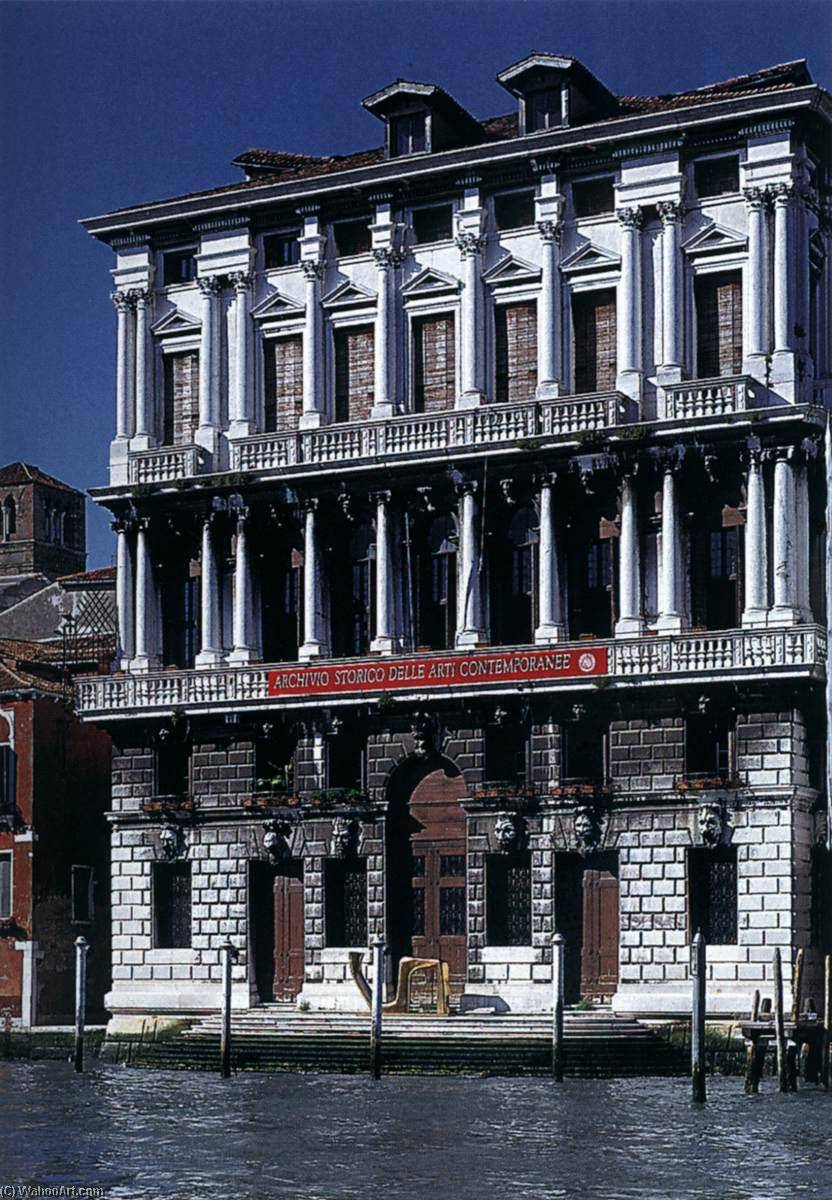
Ca' Corner della Regina Facade


 더 보기
더 보기
지클레 / 아트 프린트
빠른 제작과 다양한 마감 옵션을 제공하는 박물관 품질의 지클레이 또는 캔버스 프린트. ( 손으로 그린 그림 구매 이미지 구매)




































작품의 원본 비율을 유지하는 미리 설정된 크기 중에서 선택하세요.

특정 프레임이나 공간에 맞춰 직접 치수를 입력하실 수 있습니다. 선택하신 사이즈가 원본 이미지의 비율과 일치하지 않을 경우, 작품을 크롭(자르기)하거나 이미지를 대칭 또는 단색 채우기로 확장하여 제작합니다. 제작 시작 전, 최종 확인을 위해 디지털 목업이 전송됩니다.
화면상의 미리보기는 실제 크롭이나 확장 상태를 반영하지 않으므로, 최종 구도는 오직 목업을 통해서만 정확하게 확인하실 수 있습니다.
맞춤 사이즈 제작도 가능하지만, 원본 비율을 유지하기 위해서는 사전 정의된 목록에서 치수를 선택하시는 것을 권장합니다.


 유리 옵션은 110cm 미만 크기에서만 선택 가능합니다.

Ca' Corner della Regina Facade
지클레 / 아트 프린트
복제본 크기
-


최종 결제 금액
$ 80
작가 약력
Domenico Rossi: Architect of Venetian Dreams
Domenico Rossi, a name perhaps less familiar than those of Tintoretto or Titian, nevertheless stands as a pivotal figure in the artistic landscape of 18th-century Venice. Born in Fano in 1657 and tragically passing away in 1737, Rossi’s legacy is primarily etched into the very fabric of the city he called home – through his masterful architectural facades, particularly those adorning some of Venice's most iconic palazzi. He wasn’t a painter of grand canvases; instead, he was a sculptor and architect who transformed the visual experience of Venetian buildings, imbuing them with an unparalleled sense of drama, elegance, and illusion.
Rossi’s early life reveals a strong connection to the artistic traditions of the Marche region. He began his training in Bologna, absorbing the influences of Mannerism before transitioning into the burgeoning Baroque style. This formative period instilled within him a deep understanding of classical principles combined with an innovative approach to ornamentation and spatial design. Crucially, he spent time in Vienna under the patronage of the House of Liechtenstein, honing his skills in creating elaborate decorative schemes for imperial residences – experiences that would profoundly shape his later work in Venice.
The Gesuiti Church and Early Venetian Success
Rossi’s arrival in Venice marked a turning point. He quickly established himself as a sought-after architect, undertaking numerous commissions that showcased his distinctive style. The Chiesa di Santa Maria Assunta (I Gesuiti), completed in 1708, stands as perhaps his most celebrated early work. This magnificent church, located within the bustling Campo dei Gesuiti neighborhood, exemplifies Rossi’s signature approach: a dramatic interplay of light and shadow, intricate sculptural details, and an almost theatrical use of space. The facade is a breathtaking spectacle – a cascade of columns, pilasters, and elaborate cartouches that seem to defy gravity.
Another significant early commission was the renovation of the San Stae facade (1709). This project demonstrated Rossi’s ability to seamlessly integrate new elements with existing structures while maintaining a cohesive aesthetic. The result is a façade brimming with dynamism, featuring soaring columns, intricate carvings, and a sense of monumental grandeur that transformed the appearance of this important Venetian church.
Ca' Corner della Regina: A Masterpiece of Illusion
However, it’s the Ca’ Corner della Regina facade (1713-1715) that arguably represents Rossi’s absolute peak. This monumental work is a testament to his genius – a breathtaking illusionistic masterpiece that seamlessly blends architecture with painting. The facade appears to extend infinitely outwards, creating an astonishing sense of depth and perspective. Rossi employed a sophisticated technique known as *trompe-l'œil*, meticulously crafting the architectural elements to appear three-dimensional, blurring the boundaries between reality and artifice.
The intricate details of the Ca’ Corner facade – the sculpted figures, the elaborate cornices, the seemingly endless columns – are executed with remarkable precision. Rossi’s skill in manipulating light and shadow further enhances the illusion, creating a truly immersive experience for the viewer. The building itself is a reflection of Rossi's artistic vision: an architectural statement that transcends mere functionality and becomes a work of art in its own right.
Legacy and Influence
Domenico Rossi’s impact on Venetian architecture extends far beyond his individual projects. He helped to establish a new standard for facade design, influencing generations of architects who followed. His innovative use of illusionistic techniques paved the way for future developments in Baroque art and set a precedent for the integration of painting and sculpture in architectural decoration.
While he may not be as widely recognized as some of his contemporaries, Domenico Rossi’s contribution to Venetian art is undeniable. He was a master craftsman who transformed the visual landscape of Venice, leaving behind a legacy of beauty, drama, and illusion – a testament to the power of architectural artistry.

domenico rossi
1678 - 1742
주요 정보
- Artistic Movement Or Style: Baroque Architecture
- Artists Or Movements Influenced By This Artist: ['Giovanni Giacomo de Rossi']
- Artists Who Influenced This Artist: ['Baldassarre Longhena']
- Date Of Birth: Sep 28, 1657
- Date Of Death: Mar 8, 1737
- Full Name: Domenico Rossi
- Nationality: Swiss-Italian
- Notable Artworks:
- Ca' Corner facade
- San Stae facade
- Schloss Rastatt
- Place Of Birth: Fano, Italy

