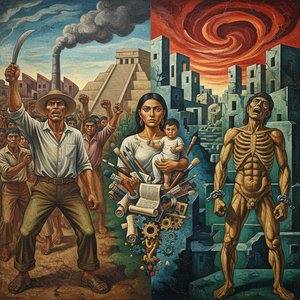
프린트 판매로 전환
 더 보기
더 보기







































 가로 또는 세로 중 어느 한 면이라도 105cm(약 41인치)를 초과하는 작품이나 복제화의 경우, 프레임은 분해된 키트 형태로 배송됩니다. 이는 안전한 배송을 보장하고 운송 중 발생할 수 있는 손상을 방지하기 위함입니다.


A Chronicle of Labor: Diego Rivera’s “The Sugar Mill”
Diego Rivera's "The Sugar Mill," painted in 1923, is more than just a depiction of a sugar plantation; it’s a powerful testament to the human cost and intricate processes inherent in industrializing Mexico. This monumental fresco, measuring 482 x 366 cm, offers a raw and unflinching glimpse into the world of sugar production during a period of significant social and economic transformation. Rivera, deeply committed to portraying the lives of ordinary people – particularly laborers – employed his signature muralist style to create an image brimming with both physical exertion and quiet dignity.
The scene unfolds with remarkable detail, capturing thirteen individuals engaged in the demanding tasks of operating machinery and handling materials. Workers ascend ladders, meticulously transferring sugar crystals into buckets, and carefully maneuvering equipment. The composition isn’t simply a record of work; it's an exploration of collaboration and interdependence. Rivera masterfully utilizes perspective to draw the viewer into the heart of the operation, emphasizing the rhythmic flow of labor that defined this industry.
Technique and Style: A Fusion of Realism and Social Commentary
Rivera’s technique is immediately recognizable – a robust blend of realism and social commentary. Executed as a fresco on a wall surface, the painting employs pigments mixed with water and applied directly to the plaster. This method, favored by Rivera for its durability and ability to create rich, vibrant colors, lends itself perfectly to his narrative style. The brushwork is bold and expressive, conveying not just the visual appearance of the scene but also the physical strain and determination of the workers. Notice the meticulous rendering of textures – the rough wood of the machinery, the glistening sugar crystals, and the worn clothing of the laborers – all contribute to a powerfully immersive experience.
The fresco’s scale is crucial to its impact. Rivera intended these large-scale murals to engage communities directly, serving as visual narratives for public spaces. “The Sugar Mill” exemplifies this ambition, demanding attention and prompting reflection on the social realities of the time.
Historical Context and Symbolism
"The Sugar Mill" was created during a period of intense political and social upheaval in Mexico following the Mexican Revolution (1910-1920). The revolution had overthrown the Porfirio Díaz regime, ushering in an era of reform and nationalization. Rivera’s work reflects this context by directly addressing the plight of workers – often marginalized and exploited – within the burgeoning industrial sector. The image subtly critiques the exploitative nature of capitalist enterprise while simultaneously celebrating the resilience and skill of the laborers.
The inclusion of everyday objects—buckets, spoons, and chairs—ground the scene in a tangible reality, emphasizing the mundane yet vital aspects of daily life for these workers. The sheer number of figures also serves to underscore the scale of the operation and the collective effort required to produce sugar.
Emotional Impact and Artistic Legacy
“The Sugar Mill” is not merely a historical document; it’s an emotionally resonant work that continues to captivate viewers today. Rivera's ability to imbue his subjects with dignity and humanity elevates this depiction of manual labor beyond the purely functional, transforming it into a profound meditation on human effort and social justice. This reproduction offers a unique opportunity to own a piece of art history – a powerful reminder of Mexico’s industrial past and Diego Rivera’s enduring legacy as one of the most important muralists of the 20th century.
질의응답
디에고 리베라의 "The Sugar Mill"의 재료와 제작 연도는 어떻게 되나요?
"The Sugar Mill"은(는) 1923년에 Acrylic On Canvas 기법으로 제작되었습니다.
디에고 리베라의 "The Sugar Mill"에 관한 통계 정보는 어디에서 확인할 수 있나요?
디에고 리베라의 "The Sugar Mill"의 방문 통계 페이지에서는 해당 작품의 월간 방문 수, 작가의 최고 조회 작품과의 비교, 그리고 방문자 유입 경로 등 공개된 방문 통계를 제공합니다.
"The Sugar Mill"이(가) 제작될 당시 디에고 리베라의 나이는 몇 세였나요?
디에고 리베라은(는) 1923년에 "The Sugar Mill"을(를) 제작했을 당시 37세였습니다. 이 나이는 작가의 출생 연도인 1886을(를) 기준으로 계산되었습니다.
이 작품에 대해 더 알아보기
 미리보기
미리보기
 공유하기
공유하기 공유하기
공유하기
 상세 정보
상세 정보 가이드 보기

 다운로드
다운로드
 유사 작품 더 보기
 X-레이
X-레이 슬라이드 쇼 보기
 질의응답
질의응답 통계 정보
통계 정보