

 미리보기
미리보기
 공유하기
공유하기 공유하기
공유하기
 상세 정보
상세 정보

 다운로드
다운로드
 유사 작품
유사 작품 X-레이
X-레이 슬라이드 쇼
 통계 정보
통계 정보Bombing Up
 Contemporary Realism
 41.0 x 51.0 cm
 Usher Gallery
 더 보기
더 보기
수제 유화 복제품
원하는 크기와 액자로 주문 제작되는, 작가들이 직접 캔버스에 손으로 그린 유화 작품입니다. ( 프린트 판매로 전환 디지털 이미지로 전환)




































작품의 원본 비율을 유지하는 미리 설정된 크기 중에서 선택하세요.

특정 프레임이나 공간에 맞도록 직접 크기를 입력할 수 있습니다. 선택하신 크기가 원본 이미지의 비율과 일치하지 않는 경우, 작품을 자르거나 추가적인 손으로 그린 요소를 사용하여 그림을 확장합니다. 제작 시작 전 승인을 위해 디지털 목업을 보내드립니다.
화면 미리 보기는 실제 자르기 또는 확장을 반영하지 않습니다. 최종 구성은 목업을 통해서만 정확하게 확인하실 수 있습니다.
맞춤 크기 제작도 가능하지만, 원본 비율을 유지하기 위해 사전 정의된 목록에서 크기를 선택하시는 것을 권장합니다.
주문 후 OriginalUniqueArt.com 팀에서 상세 안내를 위해 고객님께 이메일을 보내드리며, 미리보기 시안을 제공해 드립니다.


 유리 옵션은 110cm 미만 크기에서만 선택 가능합니다.

Bombing Up
재현 기법
복제본 크기
-


최종 결제 금액
$ 300
작가 약력
David Smith: Pioneer of Geometric Abstraction
David Smith (1956 – present) stands as a towering figure in contemporary sculpture, recognized for his unwavering commitment to geometric abstraction and his profound impact on the artistic landscape of the latter half of the 20th century. Born in Sacramento, California, Smith’s early fascination with mathematics and engineering would profoundly shape his sculptural practice, propelling him toward groundbreaking explorations of form and materiality. His journey began with a formal education at Yale University School of Art, where he honed his skills under influential mentors like Josef Albers and Robert Rauschenberg, absorbing the spirit of Color Field painting and Chance Operations – movements that challenged traditional representational conventions.- Early Influences: Smith’s formative years were marked by exposure to Bauhaus principles and the burgeoning Abstract Expressionist movement, particularly the work of Mark Rothko and Clyfford Still. These artists championed large-scale canvases saturated with color as a vehicle for conveying emotion and spiritual experience, influencing Smith's initial conceptual approach to sculpture.
- The Steel Sculpture Period (1950s – 1960s): Smith’s breakthrough arrived in the mid-1950s when he began experimenting with steel fabrication techniques—a deliberate departure from traditional sculptural materials like bronze and marble. This pivotal decision resulted in a series of monumental sculptures characterized by interlocking geometric forms, often referred to as “stackings.” These works exemplify Constructivism's emphasis on industrial processes and the exploration of spatial relationships through precise calculations.
Key Sculptural Achievements & Notable Works
Smith’s oeuvre boasts an impressive array of celebrated pieces that solidified his reputation as a visionary artist. Among his most iconic creations are “Suspended Cube” (1956), “Ancient Household, (2)” (1945), and “5 ½ (Use Half Sign)” (1956). These sculptures demonstrate Smith’s masterful manipulation of steel—bending, welding, and assembling it into complex structures that defy conventional notions of balance and stability. The deliberate use of color – particularly vibrant hues like crimson and cadmium yellow – adds another layer of visual richness to his compositions. Furthermore, “Brick” (1953), a monumental assemblage incorporating bricks and steel plates, embodies Smith’s exploration of materiality and the dialogue between organic and inorganic elements.- “Suspended Cube”: This sculpture is considered one of Smith's most influential works, demonstrating his ability to transform industrial materials into evocative expressions of form and space.
- “Ancient Household, (2)”: Its textured surface and asymmetrical arrangement contribute to its contemplative mood and invite viewers to consider the interplay between solidity and emptiness.
Conceptual Framework & Artistic Legacy
Smith’s artistic philosophy revolved around a belief that sculpture could transcend mere imitation of nature, instead serving as a conduit for conveying fundamental truths about existence. He embraced Minimalism's austere aesthetic—reducing form to its essential elements—while simultaneously retaining an interest in exploring the psychological dimensions of art. Smith’s work aligns with broader trends within American art history, reflecting the anxieties and aspirations of the Cold War era and challenging viewers to confront questions of perception and representation. His influence extends far beyond his own generation, inspiring subsequent sculptors to push boundaries and reimagine sculptural possibilities. David Smith continues to create compelling artworks that solidify his place as one of the most important artists of our time.Further Exploration
To delve deeper into David Smith’s artistic journey, consider visiting resources such as:- Yale University School of Art Website: https://artgallery.yale.edu/artists/david-smith/

주요 정보
- Artistic Movement Or Style: Geometric Abstraction
- Artists Or Movements Influenced By This Artist: ['Minimalism']
- Artists Who Influenced This Artist:
- Sir Anthony Caro
- Cubism
- Date Of Birth: 1956
- Full Name: David Smith
- Nationality: American
- Notable Artworks:
- Suspended cube
- Ancient household, (2)
- Place Of Birth: New York City, USA
관련 기사 더 보기

The Soul of Color: A Journey into the Emotional Resonance of Lyrical Abstraction
Embark on a cultural journey through Lyrical Abstraction. Explore how masters like Kandinsky used color and motion to translate emotion into visual poetry. Discover the profound beauty of abstract expressionism and learn to curate emotional resonance in your own art collection.

기하학적 추상 미술을 정의한 명작 10가지 | OriginalUniqueArt.com
몬드리안, 말레비치 등 거장들의 기하학적 추상 미술 명작 10선을 만나보세요. 각 작품의 예술사적 의미와 색채, 구성을 탐구하고 OriginalUniqueArt.com에서 고품질 아트 프린트를 소장하세요. 지금 바로 온라인 컬렉션을 확인하세요!

추상표현주의를 정의한 10대 걸작: 예술과 인테리어의 새로운 영감
추상표현주의의 심장을 뛰게 한 10대 걸작을 만나보세요. 폴록, 로스코 등 거장의 작품 비하인드 스토리와 예술적 영감을 OriginalUniqueArt에서! 지금 바로 미술품 컬렉션을 탐험하고, 당신의 공간에 특별한 예술적 감성을 더하세요. OriginalUniqueArt.com

Kandinsky's Masterpieces: 25 Paintings That Define Abstract Art | OriginalUniqueArt
Journey through Wassily Kandinsky's 25 most iconic abstract paintings. Explore his revolutionary use of color, form & spiritual expressionism. Find museum-quality Kandinsky reproductions and elevate your home decor with OriginalUniqueArt.com. Discover all masterpieces on OriginalUniqueArt.com!
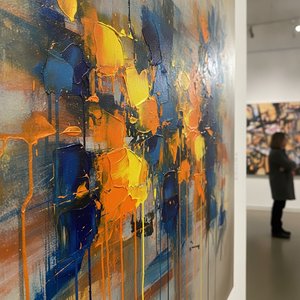
Beyond the Lines: Mastering the High-Impact World of Contemporary Abstraction
Master the high-impact world of contemporary abstraction. Discover how bold colors, textures, and modern movements like Abstract Expressionism can transform your space with premium, high-energy art curated for the design-conscious professional.