
 미리보기
미리보기
 공유하기
공유하기 공유하기
공유하기
 상세 정보
상세 정보

 다운로드
다운로드
 유사 작품
유사 작품 X-레이
X-레이 슬라이드 쇼
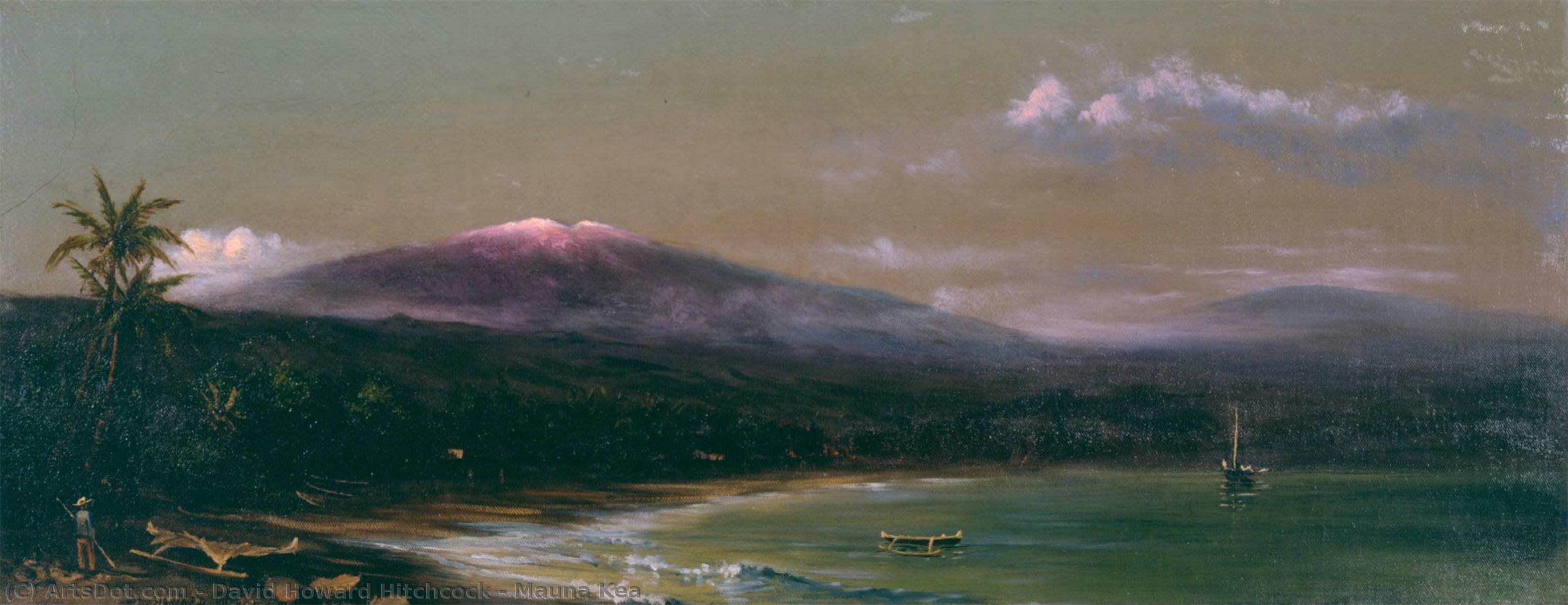
Mauna Kea


 더 보기
더 보기
지클레 / 아트 프린트
빠른 제작과 다양한 마감 옵션을 제공하는 박물관 품질의 지클레이 또는 캔버스 프린트. ( 손으로 그린 그림 구매 이미지 구매)




































작품의 원본 비율을 유지하는 미리 설정된 크기 중에서 선택하세요.

특정 프레임이나 공간에 맞춰 직접 치수를 입력하실 수 있습니다. 선택하신 사이즈가 원본 이미지의 비율과 일치하지 않을 경우, 작품을 크롭(자르기)하거나 이미지를 대칭 또는 단색 채우기로 확장하여 제작합니다. 제작 시작 전, 최종 확인을 위해 디지털 목업이 전송됩니다.
화면상의 미리보기는 실제 크롭이나 확장 상태를 반영하지 않으므로, 최종 구도는 오직 목업을 통해서만 정확하게 확인하실 수 있습니다.
맞춤 사이즈 제작도 가능하지만, 원본 비율을 유지하기 위해서는 사전 정의된 목록에서 치수를 선택하시는 것을 권장합니다.


 유리 옵션은 110cm 미만 크기에서만 선택 가능합니다.

Mauna Kea
지클레 / 아트 프린트
복제본 크기
-


최종 결제 금액
$ 80
작품 상세 설명
작가 약력
David Howard Hitchcock: A Life in Hawaiian Art
Early Life and Family Background
- Born: May 15, 1861, in Hilo, Hawaii.
- His father, also named David Howard Hitchcock (1831–1899), was a lawyer and served in the legislature of the Hawaiian Kingdom. He generally went by D. Howard Hitchcock to distinguish himself from his father.
- His mother was Almeda Eliza Widger (1828–1895).
- Hitchcock’s family had deep roots in Hawaii, with paternal grandparents who were missionaries – Harvey Rexford Hitchcock and Rebecca Howard.
- His sister, Almeda Eliza Hitchcock Moore, became the first woman lawyer in Hawaii.
Education and Artistic Beginnings
- Hitchcock graduated from Punahou School in Honolulu.
- He attended Oberlin College in Ohio, where he was first exposed to formal art exhibitions.
- Upon returning to Hawaii, he began sketching the volcanic landscapes with watercolors.
- A pivotal moment came when French artist Jules Tavernier recognized his talent and encouraged him to pursue serious artistic study.
- He furthered his training at the National Academy of Design in New York City and later at the Académie Julian in Paris (1891-1893), studying under Adolphe Bourguereau and Gabriel Joseph Ferrier.
- His work was accepted at the prestigious Paris Salon in 1893.
Artistic Development and Style
- Hitchcock became a leading member of Hawaii’s “Volcano School,” known for dramatic depictions of Hawaiian volcanic landscapes.
- His early work focused on capturing the raw power and beauty of volcanoes like Kilauea and Mauna Kea.
- He explored various islands, including Kauai (painting Waimea Canyon in 1907) and Maui, documenting their unique geological features.
- His style evolved over time, becoming more impressionistic during the late 1920s.
Major Achievements and Recognition
- He was a founder of the Kilohana Art League in Honolulu, an influential art program at the turn of the century.
- His paintings were exhibited at the Alaska-Yukon-Pacific Exposition in Seattle (1909), where he received an award.
- He held successful solo exhibitions in California, including San Francisco and Carmel-by-the-Sea.
- Hitchcock’s work was included in the Panama-Pacific International Exposition in San Francisco (1915).
- He created murals for the Pan-Pacific Union in Honolulu (1919) and painted views of Hawaii for Inter-Island Steam Navigation Company steamers.
- Retrospective exhibitions were held at the Honolulu Museum of Art (1936) and at the Golden Gate International Exposition (1939) and New York World’s Fair (1939).
Historical Significance and Legacy
- Hitchcock played a crucial role in establishing an artistic identity for Hawaii.
- His paintings provide valuable visual documentation of the Hawaiian landscape during a period of significant change.
- He was also involved in bringing Boy Scouting to Hawaii around 1910, demonstrating his commitment to community service.
- Hitchcock witnessed the attack on Pearl Harbor shortly before his death on January 1, 1943, marking a poignant end to a life dedicated to capturing the beauty and spirit of Hawaii.

david howard hitchcock
1861 - 1943
주요 정보
- Birth Date: May 15, 1861
- Birth Place: Hilo, Hawaii
- Death Date: January 1, 1943
- Influenced By:
- Jules Tavernier
- Adolphe Bourguereau
- Gabriel Joseph Ferrier
- Movement: Volcano School
- Name: David Howard Hitchcock
- Nationality: American
- Notable Works:
- Floor of Kilauea Caldera
- Mauna Kea
- Waimea Canyon paintings

