

 실제 크기로 보기
 보내기
보내기 공유하기
공유하기
 상세 보기
상세 보기 가이드 보기

 이미지 다운로드
 유사 작품 더 보기
 X-레이
X-레이 슬라이드 쇼 보기
 통계 정보
통계 정보Mariana


 상세 보기
상세 보기
지클레 / 아트 프린트
빠른 제작과 다양한 마감 옵션을 선택할 수 있는 박물관 수준의 지클레이 및 캔버스 프린트. ( 수작업 채색 복제본 주문하기 디지털 이미지 판매 채널로 전환)




P118B ₩10

P118H ₩10

P118W ₩10

P438Z ₩10

P508JH ₩12

P508YH ₩12

P805H ₩10

P805Z ₩10

P919BZ ₩10

P919G ₩10

P919XJ ₩10

P959ZH ₩10

P968JZ ₩12

W106C ₩8

W218G ₩10

W218JH ₩8

W218Y ₩10

W307PJ ₩10

W316G ₩10

W316PJ ₩8

W316Y ₩10

W398PJ ₩8

W4111J ₩10

W500HY ₩15

W500JH ₩15

W692G ₩12

W849H ₩8

W940BG ₩15

W953PJ ₩8




작품의 원본 비율을 그대로 유지하는 프리셋 사이즈 중에서 선택해 보세요.

액자나 벽면 크기에 맞춰 필요한 가로와 세로 길이를 입력해 주세요. 프린트는 원본 이미지보다 크게 제작할 수 없으며 오직 자르는 것만 가능하므로, 비율이 다른 사이즈를 선택할 경우 이미지의 일부가 잘려 나갈 수 있습니다. 인쇄 작업에 들어가기 전, 최종 확인을 위해 디지털 목업을 보내드립니다. 이 페이지에 표시된 이미지는 실제 잘리는 영역을 나타내지 않으며, 오직 목업을 통해서만 정확한 확인이 가능합니다.


 유리 옵션은 110cm 미만 크기에서만 선택 가능합니다.

Mariana
지클레 / 아트 프린트
복제본 규격
-


총 결제 금액
₩ 108354
A Window into Victorian Melancholy
In the quiet, shadowed corners of the Victorian imagination, few images resonate with as much profound longing as Dante Gabriel Rossetti’s Mariana. This evocative masterpiece serves as a poignant window into a world defined by solitude and wistful anticipation. Inspired by the lyrical melancholia of Alfred Lord Tennyson's poem of the same name, the painting captures a moment suspended in time. The central figure, Mariana, sits in a state of heavy, passive waiting, her hands clasped in a gesture of quiet desperation as she awaits the return of a lost love. Beside her, a companion stands gazing into the unseen distance, perhaps embodying a flickering hope or a haunting memory that refuses to fade. Through this intimate arrangement of figures, Rossetti invites the viewer to step into a narrative of abandonment and the heavy stillness of an existence caught in the grip of unfulfilled desire.
The painting is a quintessential triumph of the Pre-Raphaelite Brotherhood, a movement that sought to rebel against the sterile academicism of the mid-19th century. Rossetti, a founding pillar of this artistic revolution, rejected conventional shortcuts in favor of an intense, almost hyper-real devotion to detail and color. In Mariana, every texture is rendered with painstaking accuracy, from the heavy, luxurious folds of the women's garments to the rich, dark grain of the wooden paneling that encloses them. The artist employs a vibrant, jewel-toned palette—deep reds and lush greens—that creates a visually arresting composition. This use of light and saturated hue does more than merely decorate the canvas; it breathes life into the emotional atmosphere, drawing the observer into the very heart of Mariana's internal struggle.
Symbolism and the Weight of History
Beyond its surface beauty, Mariana is a deeply symbolic work that reflects the societal anxieties of the Victorian era. The enclosed setting, visible through a window that looks out upon a secluded garden, serves as a powerful metaphor for Mariana's emotional confinement and social isolation. In an age where gender roles were strictly defined, the plight of the woman left behind—trapped in a domestic sphere while her heart wanders elsewhere—was a narrative that resonated deeply with the contemporary public. The objects within the room, such as the sturdy chair and the silent table, are not merely props; they become symbolic representations of her static, unchanging existence, mirroring the stagnation of her spirit.
For the discerning collector or interior designer, this piece offers more than just aesthetic splendor; it provides a profound emotional anchor for any space. The painting’s ability to evoke feelings of nostalgia, regret, and a haunting beauty makes it an extraordinary choice for those looking to infuse a room with character and depth. Whether placed in a study filled with literature or a grand salon designed for contemplation, a high-quality reproduction of Mariana acts as a portal to the past, bringing the soulful intensity of the Pre-Raphaelite movement into the modern home. It is an investment in art that does not merely decorate a wall but tells a story of the enduring human condition.
질의응답
"Mariana"은(는) 무엇을 담고 있으며, 어떤 분위기를 자아내나요?
단테 가브리엘 로세티의 "Mariana"은(는) victorian portraiture, female figures art, romantic painting style, pre-raphaelite beauty, interior scene art, elegant composition, symbolic imagery와(과) Dramatic 분위기가 어우러진 작품입니다.
"Mariana"의 저작권 상태가 현재와 같은 이유는 무엇인가요?
"Mariana"의 저작권 상태 - 퍼블릭 도메인 - 저작권 보호 기간이 만료되었습니다 - 는 작가의 1882년 사망에 따라 결정됩니다.
단테 가브리엘 로세티의 "Mariana"와 유사한 작품은 어디에서 찾을 수 있나요?
단테 가브리엘 로세티의 "Mariana"의 유사한 작품 페이지에서 관련 작품들을 만나보세요.
작가 소개
Dante Gabriel Rossetti (1828 – 1882) Poet, illustrator, painter
Dante Gabriel Rossetti was born in London on May 12, 1828, the second child and eldest son of Italian expatriates. Gabriele Rossetti, a Dante scholar exiled from Naples for writing poetry in support of the Neapolitan Constitution of 1819, instilled within young Gabriel a deep reverence for literature and the arts. Frances Polidori Rossetti, his mother, trained as a governess and nurtured his intellectual curiosity—a formative influence that shaped his lifelong artistic pursuits. From an early age, Rossetti demonstrated exceptional talent in drawing and painting, immersing himself in the literary world of Shakespeare, Dickens, Scott, Byron, and Wordsworth. This exposure to Romantic literature profoundly impacted his aesthetic sensibilities and fueled his desire to capture beauty and emotion on canvas.Early Life and Artistic Foundations
Rossetti’s formal education included studies at King's College London and subsequently at the Royal Academy Schools, where he honed his artistic skills under the tutelage of Ford Madox Brown—a relationship that would prove enduring and influential. He devoured the works of William Blake, Edgar Allan Poe, and Lord Byron, absorbing their poetic visions and stylistic innovations. Blake’s uncompromising critique of academic painting served as a catalyst for Rossetti's own rebellious spirit, prompting him to question established conventions and champion artistic originality. The discovery of Blake’s writings ignited his imagination and instilled in him a fascination with medieval symbolism—a preoccupation that would permeate much of his subsequent oeuvre. His early poems were marked by the influence of Keats and Shelley, reflecting their exploration of beauty, mortality, and imaginative transcendence.The Pre-Raphaelite Brotherhood: A Revolt Against Convention
Rossetti’s artistic trajectory took a decisive turn in 1848 with the formation of the Pre-Raphaelite Brotherhood—a movement he spearheaded alongside William Holman Hunt and John Everett Millais. Dissatisfied with the prevailing aesthetic standards of the Royal Academy, the Brotherhood sought to revive the stylistic qualities of Italian and Flemish art *before* the High Renaissance—rejecting idealized forms and conventional compositions in favor of meticulous observation of nature and a commitment to truthful representation. This radical stance challenged Victorian artistic norms and established Rossetti as a champion of artistic freedom and innovation. The Brotherhood’s manifesto articulated a profound critique of academic painting, arguing that it lacked spiritual depth and emotional intensity—a conviction that resonated deeply with Rossetti's own artistic convictions.Painting Style: Symbolism, Sensuality, and the Female Muse
Rossetti’s artistic style evolved over time, reflecting his deepening engagement with symbolism and emotion. While initially adhering to Pre-Raphaelite realism, he gradually embraced dreamlike imagery and explored themes of love, loss, and spiritual longing—often infused with sensual undertones. His paintings became increasingly evocative of medieval myths and legends, capturing the ethereal beauty of idealized figures and landscapes. He skillfully employed color palettes that conveyed mood and emotion, utilizing rich hues to heighten visual impact and create a sense of otherworldly allure. Notably, Rossetti’s portraits frequently depicted women—often nude or semi-nude—with an arresting gaze and graceful poses—reflecting his fascination with feminine beauty and embodying his aesthetic ideals. Paintings like *Proserpine* exemplify this later style, showcasing his mastery of symbolism and his ability to evoke profound emotional responses.Legacy and Influence: Shaping Aestheticism and Beyond
Dante Gabriel Rossetti’s artistic legacy extends far beyond his own lifetime—establishing him as a pivotal figure in the development of Aestheticism and Symbolism. His unwavering belief in beauty, emotion, and subjective experience challenged Victorian materialism and championed artistic autonomy. He profoundly influenced subsequent generations of artists—including William Morris and Edward Burne-Jones—who adopted his stylistic principles and explored similar thematic concerns. Rossetti’s work continues to inspire admiration for its imaginative vision, technical skill, and emotional depth—affirming his enduring place as one of the most important artists of the Victorian era. He remains a testament to the transformative power of art—demonstrating how it can capture the complexities of human experience and transcend temporal boundaries.
단테 가브리엘 로세티
1828 - 1882 , 영국
작가 정보 요약
- Artistic Movement Or Style: 프라하엘리트 예술 운동
- Artists Who Influenced This Artist:
- 존 키츠
- 윌리엄 블레이크
- Date Of Birth: 5월 12일
- Date Of Death: 4월 9일
- Full Name: Dante Gabriel Rossetti
- Nationality: 영국인
- Notable Artworks:
- 프로세르피네
- 요한 야스카
- Place Of Birth: 런던 영국
관련 기사

Pre-Raphaelite Romanticism: A Guide to Vivid Detail and Medieval Beauty in Victorian Art
Explore the vivid detail and medieval beauty of Pre-Raphaelite Romanticism. Discover the history of masters like Rossetti and Millais through our expert guide to Victorian art, perfect for collectors and professionals seeking authentic, museum-quality reproductions.

단테 가브리엘 로세티의 걸작 25선: 아름다움과 상징으로 물든 예술 세계 | OriginalUniqueArt
단테 가브리엘 로세티의 시대를 초월하는 걸작 25선을 만나보세요. 프레라파엘리트 운동의 정수를 담은 그림 속 아름다움과 상징을 탐험하고, OriginalUniqueArt에서 고품질 미술 작품으로 공간에 예술적인 감성을 더하세요. 지금 바로 컬렉션을 확인하세요!

Sir John Everett Millais: Pre-Raphaelite Rebellion & Victorian Narrative Detail
Explore the revolutionary art of Sir John Everett Millais & the Pre-Raphaelite Brotherhood. Discover their radical realism, symbolic narratives, and lasting impact on Victorian aesthetics. A deep dive into 19th-century masterpieces.

Pre-Raphaelite Romanticism: The Revival of Medieval Beauty and Nature in Victorian Art
Explore the profound beauty of Pre-Raphaelite Romanticism. Discover how visionaries like Rossetti and Millais revived medievalism and nature through meticulous detail and vibrant color in Victorian art history.
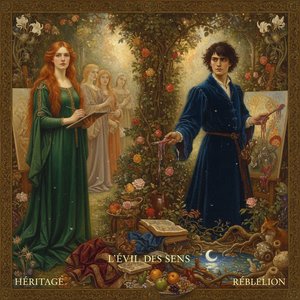
The Pre-Raphaelite Brotherhood: Reclaiming Beauty, Nature, and Truth in Victorian Art History
Explore the revolutionary Pre-Raphaelite Brotherhood. Discover how these visionary artists rejected academic tradition to reclaim beauty, nature, and truth through luminous detail and literary depth in Victorian art history.


