
 프린트 구매하기
 공유하기
공유하기 공유하기
공유하기
 상세 정보
상세 정보

 다운로드
다운로드
 유사 작품
유사 작품 X-레이
X-레이 슬라이드 쇼
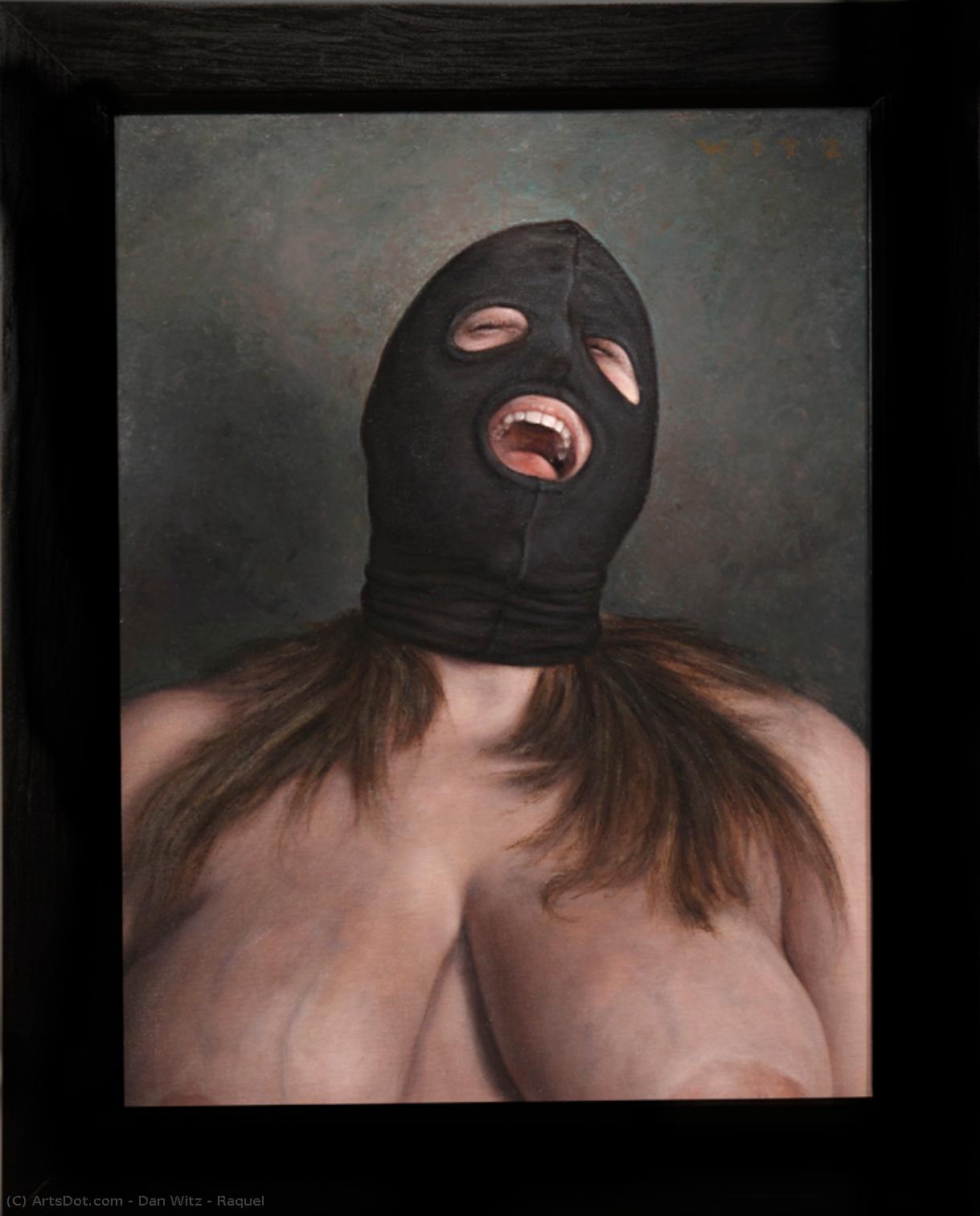
Raquel


 더 보기
더 보기




































작품의 원본 비율을 유지하는 미리 설정된 크기 중에서 선택하세요.

특정 프레임이나 공간에 맞도록 직접 크기를 입력할 수 있습니다. 선택하신 크기가 원본 이미지의 비율과 일치하지 않는 경우, 작품을 자르거나 추가적인 손으로 그린 요소를 사용하여 그림을 확장합니다. 제작 시작 전 승인을 위해 디지털 목업을 보내드립니다.
화면 미리 보기는 실제 자르기 또는 확장을 반영하지 않습니다. 최종 구성은 목업을 통해서만 정확하게 확인하실 수 있습니다.
맞춤 크기 제작도 가능하지만, 원본 비율을 유지하기 위해 사전 정의된 목록에서 크기를 선택하시는 것을 권장합니다.
주문 후 OriginalUniqueArt.com 팀에서 상세 안내를 위해 고객님께 이메일을 보내드리며, 미리보기 시안을 제공해 드립니다.


 유리 옵션은 110cm 미만 크기에서만 선택 가능합니다.

Raquel
재현 기법
복제본 크기
-


최종 결제 금액
-
작가 약력
Dan Witz: A Pioneer of Urban Realism
Dan Witz (born 1957) stands as a pivotal figure in the evolution of street art and contemporary realism, a Brooklyn-based artist whose career has spanned nearly five decades. Emerging from Chicago’s vibrant artistic scene in the late 1970s, he swiftly established himself as one of the movement's earliest and most compelling voices. Witz didn’t simply paint on walls; he engaged with public space, creating impactful interventions that blurred the lines between fine art and urban experience. His work is characterized by a startlingly realistic depiction of figures – often caught in moments of intense action or raw emotion – rendered with an almost photographic precision that simultaneously captivates and unsettles the viewer. This commitment to hyperrealism, combined with his willingness to operate outside traditional gallery spaces, cemented his place as a true pioneer.Early Years and Artistic Foundations
Witz’s artistic journey began in Chicago, where he honed his skills at Cooper Union in New York City during the early 1980s. This period proved crucial, exposing him to the burgeoning street art scene while simultaneously grounding him in traditional painting techniques. Influenced by the energy of Punk culture and a desire to challenge established artistic norms, Witz initially began creating works that directly confronted social issues. His early pieces often featured stark imagery reflecting the realities of urban life – poverty, crime, and social unrest. This engagement with the gritty underbelly of New York City would become a recurring theme throughout his career. He received significant recognition early on, including grants from the National Endowment for the Arts and fellowships from the New York Foundation for the Arts, demonstrating an immediate appreciation for his unique vision.The Rise of the ‘Mosh Pit’ Series
Witz's most recognizable body of work is undoubtedly the “Mosh Pit” series, which began gaining prominence in the late 1990s and continues to define his artistic identity. These intensely detailed paintings depict scenes of chaotic, almost violent, human interaction – tightly packed crowds surging forward with a palpable sense of energy and urgency. The figures are rendered with an astonishing level of realism, capturing every expression, gesture, and physical detail. The series isn’t simply about depicting a mosh pit; it's about exploring themes of collective identity, social pressure, and the primal instincts that drive human behavior. Witz himself has described these paintings as visual representations of “the energy of a crowd,” offering a glimpse into the often-overlooked dynamics of urban spaces. The use of dramatic lighting and dynamic composition further amplifies the intensity of these scenes, drawing the viewer directly into the heart of the action.Street Art and Public Engagement
Crucially, Witz’s work transcends the boundaries of traditional painting. He actively sought opportunities to display his art in public spaces, challenging conventional notions of where art should be exhibited. This commitment to street art led him to create large-scale installations – often wheatpasted images – that appeared unexpectedly throughout New York City and beyond. These interventions were not merely decorative; they were deliberate acts of engagement with the urban environment, prompting viewers to reconsider their surroundings and question the relationship between art and society. His work has been featured in prominent street art blogs like Wooster Collective, solidifying his position as a key figure within the movement. Notably, he collaborated with Banksy on the film *Exit Through the Gift Shop*, further elevating his profile and demonstrating his influence on contemporary visual culture.Legacy and Recognition
Dan Witz’s impact extends far beyond the realm of street art. A comprehensive monograph, “Dan Witz: In Plain View,” published in 2010, served as a critical examination of his career to date, showcasing over thirty years of artwork – both legal and illegal. His work has been exhibited internationally in galleries such as Jonathan LeVine Gallery, Carmichael Gallery, and White Walls, demonstrating its appeal across diverse artistic communities. His ongoing commitment to exploring the complexities of human interaction through hyperrealistic imagery ensures that Dan Witz remains a vital and relevant voice in contemporary art, continuing to challenge viewers with his powerful and evocative paintings. His work is not just seen; it’s experienced – a testament to the enduring power of street art to provoke thought and inspire dialogue.
Dan Witz
1957 - , United States of America
주요 정보
- Artistic Movement Or Style: Street art, Realism, Hyperrealism
- Date Of Birth: 1957
- Full Name: Dan Witz
- Nationality: American
- Notable Artworks:
- Hooded Girl With Ball Gag
- Raquel
- Mosh Pit paintings
- Place Of Birth: Chicago, USA

