

 실제 크기로 보기
 보내기
보내기 공유하기
공유하기
 상세 보기
상세 보기 가이드 보기

 이미지 다운로드
 유사 작품 더 보기
 X-레이
X-레이 슬라이드 쇼 보기
 Q&A
Q&A 통계 정보
통계 정보Returning Late from a Spring Outing


 상세 보기
상세 보기
웹 미리보기 화면을 훨씬 뛰어넘는 인쇄용 파일을 만나보세요. 저희가 판매하는 모든 디지털 이미지는 스톡 데이터베이스 내의 고해상도 마스터 파일(일반적으로 가로 5,000~15,000픽셀)을 기반으로 합니다. 따라서 대형 인쇄나 정밀한 크롭 작업 시에도 세밀한 디테일을 자신 있게 구현할 수 있습니다.
저희 스튜디오를 거치는 모든 파일은 정교한 손길을 거칩니다. 디지털 전문가가 원작과 대조하여 색상을 점검하고 필요 시 보정하며, 전문 리터칭 도구를 사용하여 선명도와 디테일을 높입니다. 이 과정에서 작가의 붓 터치와 화풍을 충실히 유지하는 것을 원칙으로 합니다. 그 결과, 단순한 스캔본에 필터를 입힌 듯한 느낌이 아닌, 마치 실제 회화 작품을 보는 듯한 이미지를 구현해냅니다.
최종 완료 전 확인 단계가 있습니다. 전문가가 검토하실 수 있도록 72시간 이내에 이메일로 이미지를 보내드립니다. 결과물이 만족스럽지 않으신가요? 수정이나 보완을 요청하시거나, 품질이 기대에 미치지 못할 경우 환불을 요청하실 수 있습니다.
출판사, 디자인 스튜디오, 갤러리 및 인쇄소가 신뢰하는 바로 그 품질입니다.
디지털 이미지
개인 소장 및 전시, 인쇄, 창작 프로젝트를 위한 고해상도 파일을 다운로드하세요. ( 프린트 판매로 전환 수작업 채색 복제본 주문하기)
모든 디지털 이미지 주문 시 제공되는 혜택
전문적인 디지털 이미지 전송 보장
OriginalUniqueArt.com를 선택하시면 단순히 이미지를 받는 것을 넘어, 정밀한 보정 과정을 거쳐 완성된 전문적인 디지털 예술 작품을 만나보실 수 있습니다. 모든 작품에는 만족 보장 서비스가 함께 제공되며, 주문 시 다음과 같은 사항들이 자동으로 포함됩니다:

빠른 이메일 수령
주문 후 72시간 이내에 고해상도 디지털 이미지 파일이 이메일로 발송되며, 즉시 사용하실 수 있습니다.

AI 기술로 최적화된 디지털 파일
귀하의 작품은 고급 AI 기술과 정교한 수동 편집 과정을 거쳐 전문적으로 최적화되며, 이를 통해 디테일과 선명도, 색상의 정확도를 극대화합니다.

평생 무료 재전송 서비스
파일을 실수로 삭제하거나 분실하셨나요? 걱정 마세요. 언제든 무료로 다시 보내드립니다.

추가 수입 비용 없음 - 언제나
관세나 부가세, 배송비 부담 없이 작품을 즉시 소장하세요 - 디지털 다운로드는 언제나 면세 혜택이 적용됩니다.

정확한 색상 보장
전문적인 도구와 색상 관리 시스템을 통해 디지털 이미지가 원본의 색상을 최대한 정확하게 구현하도록 보장합니다.

100일 만족 보장제
구매하신 디지털 이미지에 만족하지 못하실 경우, 100일 이내에 별도의 조건 없이 수정 또는 100% 환불을 진행해 드립니다.

100% 환불 보장
만족스럽지 않으신가요? 디지털 파일을 받으신 후 100일 이내에 조건 없이 전액 환불해 드립니다.

대량 주문 할인
이미지 3매 구매 시 10% 할인 - 5매 구매 시 15% 할인 - 10매 이상 구매 시 20% 할인. 크리에이티브 프로젝트, 갤러리, 에이전시에 매우 유용합니다.
A Moment of Serene Reflection: Returning Late from a Spring Outing by Dai Jin
Dai Jin’s “Returning Late from a Spring Outing,” painted in 1644, offers a profound glimpse into the heart of Chinese literati aesthetics – a world where landscape painting transcended mere representation to become a vehicle for spiritual contemplation. This exquisite silk hand-painting, measuring 167 x 83 cm, captures a quintessential Shanshui scene, a hallmark of the Song Dynasty’s influence on Chinese art, and embodies the spirit of the Ma-Xia style, also known as the Zhe School, which flourished during Dai Jin's lifetime. The artwork isn't simply a depiction of mountains and water; it is an invitation to experience tranquility, harmony, and a deep connection with the natural world – core tenets of Confucian philosophy.
Masterful Technique: The Language of Ink and Color
- Brushwork and Composition: Dai Jin’s loose, expressive brushstrokes are central to the painting's power. They create a dynamic sense of atmospheric perspective, drawing the viewer into the scene with a fluidity that mimics the movement of water and wind. The vertical format emphasizes height and depth, reinforcing the grandeur of the mountainous landscape.
- Ink Wash Technique (Sumi): The painting’s foundation lies in the meticulous layering of ink washes – *sumi*. This technique, perfected over centuries, allows for a subtle manipulation of tonal values, building up volume and creating an illusion of three-dimensionality. Notice how the artist uses varying densities of ink to define the contours of rocks, trees, and distant peaks.
- Color Palette: The muted color palette – browns, grays, ochre, with delicate washes of blue and green – contributes significantly to the painting’s contemplative mood. These colors evoke the subtle shifts in light and shadow found within a natural landscape, enhancing the sense of realism while maintaining an ethereal quality.
Symbolism and Context: A Window into Ming Dynasty Thought
Painted in 1644, during Dai Jin’s career, this artwork reflects the artistic currents of the early Ming dynasty. Dai Jin was a pivotal figure in reviving the Ma-Xia style, which prioritized capturing the essence of nature over strict adherence to traditional representation. The pavilions depicted within the scene symbolize human dwellings nestled within the vastness of the landscape – a reminder of humanity’s place within the natural order. The mountains themselves represent strength, permanence, and spiritual aspiration, echoing Confucian ideals of virtue and longevity. Dai Jin's work was often influenced by political considerations, as evidenced by his early career attempts to gain favor with the emperor, though he ultimately developed a distinctive style that prioritized artistic integrity.
Emotional Resonance: A Legacy of Tranquility
“Returning Late from a Spring Outing” possesses an enduring emotional resonance. The diffused lighting and serene composition evoke a sense of quiet contemplation, inviting the viewer to escape the pressures of daily life and find solace in the beauty of nature. This painting is more than just a visual representation; it’s a portal to a timeless landscape, reflecting the profound connection between humanity and the natural world – a connection that continues to inspire awe and wonder centuries later. This hand-painted reproduction captures not only Dai Jin's artistic skill but also the very spirit of this iconic work.
질의응답
Dai Jin의 "Returning Late from a Spring Outing" 작품에 권장되는 인쇄 설정은 무엇인가요?
"Returning Late from a Spring Outing" 작품의 권장 인쇄 설정은 Large 크기와 Tall 방향입니다.
Dai Jin의 "Returning Late from a Spring Outing"은 강렬한 대비를 사용하나요, 아니면 부드러운 조화를 이루고 있나요?
Dai Jin의 "Returning Late from a Spring Outing"의 색채 분석은 Serene한 대비와 Unified Palette한 조화를 보여줍니다.
Dai Jin의 "Returning Late from a Spring Outing"의 채도와 강도는 어떠한가요?
Dai Jin의 "Returning Late from a Spring Outing"의 색채는 Balanced Soft의 채도와 Balanced의 강도를 보여줍니다.
아티스트 프로필
early life and career
dai jin, a renowned chinese artist, was born in 1388 and passed away in 1462. he was a leading figure in the early ming revival of the ma-xia style, also known as the zhe school, which emerged from the landscape painting traditions of the southern song. as a young man, dai jin traveled to the capital, nanjing, with his father, who worked in an official capacity. although he failed to establish himself in the capital, he returned to qiantang and resumed his study of painting, likely under the guidance of a local zhejiang artisan.rise to prominence
dai jin's reputation grew significantly around 1425, when he was recommended to the xuande emperor. he traveled to beijing in hopes of securing an academy appointment. however, his plans were thwarted by established painters, particularly xie huan, who claimed to detect anti-government bias in dai's works. one notable example is dai jin's painting, seven worthies passing the barrier (c. 1425-35), which was based on an old tale recounting the flight of seven men from a tumultuous state. this work, along with another piece depicting a fisherman in a red coat, led to dai jin's downfall.notable works and legacy
* dai jin's landscapes, showcasing the four seasons, were initially well-received by the xuande emperor. * seven worthies passing the barrier (c. 1425-35), a painting that led to dai jin's persecution.- view dai jin's artworks on OriginalUniqueArt.com
- learn more about dai jin on wikipedia
- explore the zhe school and its influence on chinese landscape painting on the museum destroyed by fire (united states)
conclusion
despite facing challenges and persecution, dai jin's contributions to the zhe school and chinese landscape painting remain significant. his works continue to be celebrated for their unique style and innovative techniques. important: to learn more about dai jin and his artworks, visit dai jin's page on OriginalUniqueArt.com.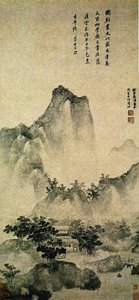
Dai Jin
1388 - 1462 , China
핵심 정보
- Full Name: Dai Jin
- Nationality: Chinese
- Date Of Birth: 1388
- Date Of Death: 1462
- Place Of Birth: Quzhou, China
- Notable Artworks: ['Bamboo paintings']
- Artistic Movement Or Style: Ink bamboo painting
- Artists Who Influenced This Artist: ['Wang Fu']