

 실제 크기로 보기
 보내기
보내기 공유하기
공유하기
 상세 보기
상세 보기 가이드 보기

 이미지 다운로드
 유사 작품 더 보기
 X-레이
X-레이 슬라이드 쇼 보기
 통계 정보
통계 정보Nine discourses on Commodus
 Oil On Canvas
- WallArt
- Abstract Expressionism
 1963
1963 134.0 x 204.0 cm
 구겐하임 미술관 빌바오
 상세 보기
상세 보기
지클레 / 아트 프린트
빠른 제작과 다양한 마감 옵션을 선택할 수 있는 박물관 수준의 지클레이 및 캔버스 프린트. ( 수작업 채색 복제본 주문하기 디지털 이미지 판매 채널로 전환)




P118B $10

P118H $10

P118W $10

P438Z $10

P508JH $12

P508YH $12

P805H $10

P805Z $10

P919BZ $10

P919G $10

P919XJ $10

P959ZH $10

P968JZ $12

W106C $8

W218G $10

W218JH $8

W218Y $10

W307PJ $10

W316G $10

W316PJ $8

W316Y $10

W398PJ $8

W4111J $10

W500HY $15

W500JH $15

W692G $12

W849H $8

W940BG $15

W953PJ $8




작품의 원본 비율을 그대로 유지하는 프리셋 사이즈 중에서 선택해 보세요.

특정 프레임이나 공간에 맞춰 직접 치수를 입력하실 수 있습니다. 선택하신 사이즈가 원본 이미지의 비율과 일치하지 않을 경우, 작품을 크롭(자르기)하거나 이미지를 대칭 또는 단색 채우기로 확장하여 제작합니다. 제작 시작 전, 최종 확인을 위해 디지털 목업이 전송됩니다.
화면상의 미리보기는 실제 크롭이나 확장 상태를 반영하지 않으므로, 최종 구도는 오직 목업을 통해서만 정확하게 확인하실 수 있습니다.
맞춤 사이즈 제작도 가능하지만, 원본 비율을 유지하기 위해서는 사전 정의된 목록에서 치수를 선택하시는 것을 권장합니다.


 유리 옵션은 110cm 미만 크기에서만 선택 가능합니다.

Nine discourses on Commodus
지클레 / 아트 프린트
복제본 규격
-


총 결제 금액
$ 80
Nine Discourses on Commodus: A Descent into Roman Excess
Cy Twombly’s “Nine Discourses on Commodus,” painted in 1963, isn't merely a depiction of a historical event; it’s an immersive plunge into the psychological and political turmoil that consumed the late Roman Empire. This monumental work, measuring a substantial 204 x 134 cm, resides within the Guggenheim Museum Bilbao, offering viewers a visceral experience far beyond simple representation. The painting's genesis lies in Twombly’s fascination with the reign of Emperor Commodus Aurelius Antoninus, a figure notorious for his cruelty, extravagance, and ultimately, his assassination. Rather than presenting a straightforward narrative, Twombly constructs an atmosphere—a suffocating blend of anxiety, violence, and impending doom – using a deliberately fragmented and unsettling visual language. The foundation of the composition is a pale grey field, acting as a neutral backdrop against which swirling masses of pigment explode in shades of crimson, ochre, and black. These aren’t carefully blended colors; they are applied with a raw, almost violent energy, creating a sense of chaotic movement and instability. The technique itself is crucial: Twombly employed a layering process, building up the paint in thick impasto strokes, punctuated by scribbles, dashes, and even what appear to be deliberate “mistakes.” This physicality—the tangible evidence of his hand at work—adds another layer of intensity to the piece, inviting viewers to confront the act of creation alongside the subject matter. The painting’s historical context is inextricably linked to the broader anxieties of the mid-1960s – a period marked by the Cold War, the Cuban Missile Crisis, and the assassination of John F. Kennedy. Twombly, deeply influenced by Charles Olson's concept of “Projective Involvement,” sought to create works that actively engaged with contemporary experience, translating the turmoil of his time into visual form.The Language of Scribble: Style and Technique
Twombly’s distinctive style is instantly recognizable—a potent blend of calligraphic gesture and abstract expressionism. He deliberately rejected traditional representational techniques, opting instead for a system of “scribbles,” marks, and symbols that operate on a deeply personal level. These aren't random gestures; they are meticulously controlled, almost architectural in their arrangement. The recurring numerical sequences—often appearing as clusters of digits—are not merely decorative elements but rather structural components of the composition, guiding the viewer’s eye through the swirling chaos. The influence of Paul Klee is evident in Twombly's use of simplified forms and geometric patterns, while the gestural intensity of Franz Kline provides a counterpoint to the more controlled scribbles. However, Twombly transcends these influences, forging his own unique visual vocabulary—one characterized by a raw emotionality and an unsettling sense of unease. The layering of paint, achieved through multiple applications and scraping back, creates a complex surface texture that is both visually arresting and physically engaging. The deliberate imperfections – the drips, smudges, and uneven application – are not flaws but rather integral to the painting’s expressive power, reflecting the instability and violence at its core.Symbolism and Historical Allusion
“Nine Discourses on Commodus” isn't a literal depiction of the events surrounding Commodus’ reign; it’s an allegorical exploration of themes such as tyranny, excess, and decay. The title itself refers to nine distinct “discourses,” or arguments, that explore different facets of Commodus’ character and his downfall. The swirling masses of color can be interpreted as representing the chaos and instability of his rule, while the crimson hues evoke blood and violence. The numerical sequences, often referencing architectural grids and geometric patterns, suggest a sense of order imposed upon chaos—a futile attempt to control an uncontrollable situation. Furthermore, the painting draws parallels between Commodus’ excesses and the anxieties of the 1960s – a period marked by political instability, social unrest, and the threat of nuclear war. The figure of Commodus himself embodies the dangers of unchecked power and the destructive consequences of moral decay. It's important to note that Twombly frequently drew upon classical mythology and literature in his work, imbuing his paintings with layers of historical allusion and symbolic meaning.Emotional Resonance and Legacy
Despite its unsettling subject matter, “Nine Discourses on Commodus” possesses a profound emotional resonance. The painting’s raw energy and visceral intensity evoke a sense of unease and anxiety—a reflection of the turbulent times in which it was created. It's not a comfortable or easily digestible work; it demands engagement, prompting viewers to confront uncomfortable truths about human nature and the fragility of civilization. Initially met with critical derision – largely due to its unconventional style and perceived detachment from the prevailing trends of Pop Art and Minimalism – “Nine Discourses on Commodus” has since been recognized as a pivotal work in the history of postwar painting. It stands as a testament to Twombly’s unique vision and his willingness to challenge conventional artistic norms. Today, it is celebrated for its expressive power, its complex symbolism, and its enduring relevance—a haunting reminder of the dangers of excess and the cyclical nature of history. Reproductions capture only a fraction of the painting's depth; experiencing it in person within the Guggenheim Bilbao is an essential encounter with one of the 20th century’s most enigmatic artists.작가 소개
삶의 선과 색으로 새겨진 여정
에드윈 파커 트롬블리 주니어, 세상에 사이 트롬블리로 알려진 그는 20세기와 21세기의 미술계를 뒤흔든 독보적인 존재였다. 미국 화가이자 조각가, 사진작가로서 그의 작품은 명확한 범주로 정의하기 어려웠다. 1928년 4월 25일 버지니아 주 렉싱턴에서 태어난 그는 고전 교육을 기반으로 대륙을 넘나드는 끊임없는 탐구 정신으로 예술 여정을 시작했다. 워싱턴앤리 대학에서 피에르 다우라의 지도를 받았고, 뉴욕 아트 스튜던트 리그와 블랙 마운틴 칼리지에서의 경험은 로버트 라우셕버그, 존 케이지, 머스 커닝엄과 같은 중요한 인물들과의 만남을 통해 실험 정신과 학제 간 탐구를 촉진했다. 이러한 만남들은 그의 예술적 비전을 심오하게 형성하는 환경을 조성했다. 그러나 1952년 버지니아 미술관의 지원금으로 라우셕버그와 함께 이탈리아와 북아프리카로 떠난 여정이 진정으로 결정적인 전환점이 되었다. 고대 유적, 생동감 넘치는 문화, 역사의 무게 속에서 트롬블리는 수십 년 동안 그의 미학을 정의할 영감의 원천을 발견했다.수수께끼 같은 스타일의 진화
트롬블리의 예술적 스타일은 처음부터 완성된 것이 아니었다. 그는 일련의 탐구와 정제를 통해 자신만의 독특한 스타일을 구축해 나갔다. 그의 초기 작품, 예를 들어 *북아프리카 스케치북* (1953)은 추상적인 형태와 시적인 암시를 결합한 그의 독창성을 엿볼 수 있게 한다. 이 스케치북들은 단순한 여행 일기가 아니었다. 그것은 장소의 본질을 탐구하는 연구였으며, 빛, 질감, 기억을 증류시킨 것이었다. 1960년대에 이르러 트롬블리의 스타일은 광활한 캔버스 위에 그려진 낙서 같은 선, 제스처적인 흔적, 파편화된 단어라는 독특한 어휘를 중심으로 응축되기 시작했다. *페라고스토* 시리즈 (1961)와 *이탈리아인들* (1961)은 이 시대를 대표하는 작품이다. 이 그림들은 서예와 혼돈 사이의 경계에 존재하는 듯하며, 고대 비문과 즉흥적인 낙서의 이미지를 동시에 불러일으킨다. 그는 현실을 모방하는 데 관심이 없었다. 오히려 느낌, 기억, 시간의 흐름을 포착하고자 했다. 이러한 접근 방식은 전통적인 회화 개념에 도전하고, 표현주의적이고 감정적으로 공명하는 새로운 형태의 표현으로 나아갔다. 콜드 스트림* (1966)은 소용돌이치는 선과 대담한 글씨가 어우러진 그의 독특한 스타일을 보여주는 강력한 예시이다.영향과 예술적 계보
트롬블리는 강렬한 독립성을 유지했지만, 그의 작품은 진공 상태에서 창조되지 않았다. 그는 장 뒤뷔페와 알베르토 자코메티의 원초적인 에너지부터 스테판 말라르메, 라이너 마리아 릴케, 존 키츠의 시적 감수성에 이르기까지 다양한 출처로부터 영감을 얻었다. 고전 신화와 역사 또한 중요한 역할을 했으며, 그에게 탐구할 풍부한 주제와 상징을 제공했다. 그의 그림은 종종 고대 서사에 암시하며, 이야기와 전설의 조각들을 미묘하게 엮어낸다. 트롬블리의 후대에 대한 영향력은 부인할 수 없다. 그는 장미셸 바스키아, 안젤름 키퍼, 프란체스코 클레멘테, 줄리안 슈나벨과 같이 실험 정신과 감정적 강도를 포용하는 화가들을 위한 길을 닦았다. 전통적인 경계를 허물고 새로운 표현 방식을 탐구하려는 그의 의지는 현상 유지에 도전하고자 하는 예술가들에게 깊은 공감을 불러일으켰다. 그는 회화가 단순한 재현 그 이상이 될 수 있음을 증명했다. 그것은 복잡한 감정, 아이디어, 경험을 전달하는 도구가 될 수 있었다.주요 업적과 지속적인 유산
트롬블리는 그의 경력 동안 2001년 베니스 비엔날레에서 수상한 황금사자상을 비롯하여 수많은 찬사를 받았다. 또한 2010년에는 레지옹 도뇌르 기사 작위를 받았다. 그의 작품은 휴스턴의 메닐 컬렉션, 런던 테이트 모던, 뉴욕 현대 미술관을 포함한 전 세계 주요 박물관 컬렉션에 소장되어 있다. 특히 중요한 업적 중 하나는 파리 루브르 박물관 천장에 설치된 작품을 의뢰받은 것이다. 이는 그의 국제적인 인정과 예술적 위상을 보여주는 증거이다. 템페라의 세 연구* (1998-99)는 아트 갤러리 오브 뉴 사우스 웨일즈에 소장되어 있으며, 그의 후기 스타일을 보여주는 대표적인 예시이다. 섬세하면서도 강력한 대규모 작품들이다. 트롬블리의 수수께끼 같은 스타일은 오늘날에도 미술 애호가와 학자들의 관심을 끌고 있다. 그의 그림은 단순한 감상의 대상이 아니라 다른 세계로 가는 포털과 같다. 선이 춤추고, 단어가 속삭이며, 감정이 형태를 갖는 세계이다. 그는 2011년 7월 5일 로마에서 오랜 투병 끝에 세상을 떠났지만, 그의 유산은 앞으로도 여러 세대에 걸쳐 예술가들에게 영감을 주고 도전할 것이다. 산타 마리아 인 발리첼라의 명판은 미술 세계에 대한 그의 심오한 기여를 기념하는 영구적인 기념물이다.트롬블리의 세계 탐험
사이 트롬블리의 작품은 인간 경험의 복잡성을 숙고하도록 초대한다. 기억, 역사, 감정의 영역으로 깊이 파고들도록 말이다. 그의 그림은 단순한 물건이 아니라 다른 세계로 가는 포털과 같다. 선이 춤추고, 단어가 속삭이며, 감정이 형태를 갖는 세계이다. *제목 없는 (모란 꽃 그림)* 의 생동감 넘치는 에너지든, *프로테우스*의 자극적인 추상성이든, 각 작품은 예술가의 내면 풍경을 독특하게 엿볼 수 있게 한다. 그의 영향력은 회화뿐만 아니라 조각과 사진에도 미친다. 트롬블리의 천재성을 진정으로 감상하려면 그의 선의 유동성, 색상의 풍부함, 시적인 비전에 몸을 맡겨야 한다.- OriginalUniqueArt에서 사이 트롬블리의 작품을 탐험하십시오.
- Wikipedia에서 사이 트롬블리에 대해 자세히 알아보십시오.
- 트롬블리의 의뢰 작품이 소장되어 있는 루브르 박물관 컬렉션을 발견하십시오: Musée du Louvre.

사이 트월블리
1928 - 2011 , 미국
작가 정보 요약
- Artistic Movement Or Style: 추상 표현주의, 포스트모던
- Artists Or Movements Influenced By This Artist:
- 장 미셸 바스키아
- 안젤름 키퍼
- Artists Who Influenced This Artist:
- 피에르 도라
- 장 뒤뷔페
- 알베르토 자코메티
- Date Of Birth: 1928년 4월 25일
- Date Of Death: 2011년 7월 5일
- Full Name: 에드윈 파커 트롬블리 주니어
- Nationality: 미국인
- Notable Artworks:
- 세 개의 테메레 연구
- 아폴로와 화가
- 차가운 흐름
- 프로테우스
- 제목 없음 (모란꽃 그림)
- Place Of Birth (City And Country): 렉싱턴, 미국
관련 기사
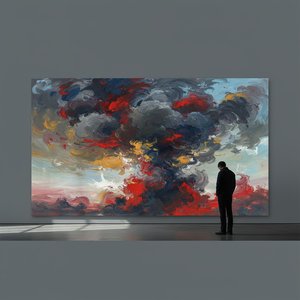
Beyond Representation: Exploring the Emotional Landscape of Abstract Expressionism
Explore the profound emotional world of Abstract Expressionism with OriginalUniqueArt. Discover key artists like Pollock & Rothko, learn about collecting, and find museum-quality reproductions to inspire your space.

기하학적 추상 미술을 정의한 명작 10가지 | OriginalUniqueArt.com
몬드리안, 말레비치 등 거장들의 기하학적 추상 미술 명작 10선을 만나보세요. 각 작품의 예술사적 의미와 색채, 구성을 탐구하고 OriginalUniqueArt.com에서 고품질 아트 프린트를 소장하세요. 지금 바로 온라인 컬렉션을 확인하세요!

Kandinsky's Masterpieces: 25 Paintings That Define Abstract Art | OriginalUniqueArt
Journey through Wassily Kandinsky's 25 most iconic abstract paintings. Explore his revolutionary use of color, form & spiritual expressionism. Find museum-quality Kandinsky reproductions and elevate your home decor with OriginalUniqueArt.com. Discover all masterpieces on OriginalUniqueArt.com!
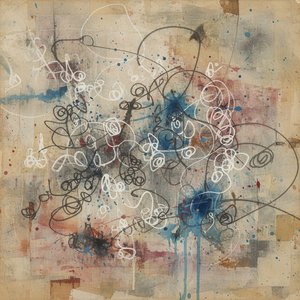
Cy Twombly: Scribbles of Emotion – Deconstructing Post-War Expressionism Through Calligraphy & Abstraction
Explore the captivating world of Cy Twombly with OriginalUniqueArt. Discover the emotional depth & artistic significance behind his abstract calligraphy. Expert insights for collectors.

추상표현주의를 정의한 10대 걸작: 예술과 인테리어의 새로운 영감
추상표현주의의 심장을 뛰게 한 10대 걸작을 만나보세요. 폴록, 로스코 등 거장의 작품 비하인드 스토리와 예술적 영감을 OriginalUniqueArt에서! 지금 바로 미술품 컬렉션을 탐험하고, 당신의 공간에 특별한 예술적 감성을 더하세요. OriginalUniqueArt.com