

 실제 크기로 보기
 보내기
보내기 공유하기
공유하기
 상세 보기
상세 보기 가이드 보기

 이미지 다운로드
 유사 작품 더 보기
 X-레이
X-레이 슬라이드 쇼 보기
 통계 정보
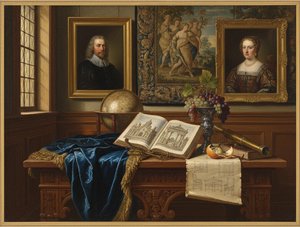
통계 정보A Drawing School


 상세 보기
상세 보기
핸드메이드 유화 복제화
작가가 직접 캔버스에 손으로 그린 유화 작품으로, 원하는 크기와 액자로 맞춤 제작해 드립니다. ( 프린트 판매로 전환 디지털 이미지 판매 채널로 전환)




P118B ₩10

P118H ₩10

P118W ₩10

P438Z ₩10

P508JH ₩12

P508YH ₩12

P805H ₩10

P805Z ₩10

P919BZ ₩10

P919G ₩10

P919XJ ₩10

P959ZH ₩10

P968JZ ₩12

W106C ₩8

W218G ₩10

W218JH ₩8

W218Y ₩10

W307PJ ₩10

W316G ₩10

W316PJ ₩8

W316Y ₩10

W398PJ ₩8

W4111J ₩10

W500HY ₩15

W500JH ₩15

W692G ₩12

W849H ₩8

W940BG ₩15

W953PJ ₩8




작품의 원본 비율을 그대로 유지하는 프리셋 사이즈 중에서 선택해 보세요.

액자나 벽면 크기에 맞춰 필요한 가로와 세로 길이를 입력해 주세요. 본 작품은 수작업으로 제작되므로, 요청하신 비율에 따라 작가가 그림의 가장자리를 조금 더 넓게 그리거나 일부를 조정하여 작업할 수 있습니다. 작업 시작 전, 최종 확인을 위해 디지털 목업 이미지를 보내드립니다. 이 페이지에 표시된 이미지는 실제 결과물과 다를 수 있으며, 오직 목업 이미지만이 정확한 결과물을 보여줍니다.
주문 완료 후 OriginalUniqueArt.com 팀에서 상세 안내를 위해 고객님께 이메일을 보내드리며, 미리보기 시안을 함께 제공해 드립니다.


 유리 옵션은 110cm 미만 크기에서만 선택 가능합니다.

A Drawing School
재현 매체
복제본 규격
-


총 결제 금액
₩ 889593
작가 소개
Crispijn van de Passe: A Master of Dutch Printmaking
Crispijn van de Passe, born in Arnemuiden, Netherlands around 1564 and passing away in Utrecht in 1637, stands as a pivotal figure in the history of Flemish and Dutch printmaking. More than just an engraver, he was a publisher, a family patriarch, and a driving force behind the flourishing print trade of Antwerp during the late 16th and early 17th centuries. His legacy isn’t defined by individual masterpieces alone, but rather by his systematic approach to reproducing works of art – portraits, book illustrations, decorative plates, and even architectural designs – with remarkable accuracy and detail, establishing a standard for quality that influenced generations of printmakers.
Van de Passe's early life remains somewhat shrouded in mystery. He was part of a large artistic family centered around his father, Crispijn I van de Passe, who had established a successful engraving workshop in Antwerp. This familial connection provided him with invaluable training and access to a network of artists and patrons. However, Crispijn van de Passe the Elder quickly distinguished himself through his meticulous technique and organizational skills. He didn’t simply copy existing images; he developed a sophisticated system for transferring designs – often based on paintings by renowned Flemish masters – onto copper plates using a process involving multiple stages of etching and engraving. This method, which involved creating a series of intermediate prints, allowed him to achieve an astonishing level of precision and tonal subtlety rarely seen in contemporary engravings.
The Van de Passe Family Enterprise
Crispijn van de Passe’s influence extends far beyond his individual output; he essentially built a printmaking dynasty. His wife, Magdalena van de Passe, was not merely a domestic figure but a skilled engraver in her own right, contributing significantly to the family's business and specializing particularly in landscapes and portraits. Their children – Simon, Crispijn II, Willem, and Martha – all followed in their father’s footsteps, each mastering different aspects of the printmaking process: engraving, etching, and publishing. This collaborative environment fostered a remarkable exchange of knowledge and techniques within the family workshop.
The Van de Passe family's success was largely due to their ability to cater to the growing demand for printed images during this period. Books were becoming increasingly accessible, and illustrated editions – particularly those featuring portraits of prominent figures – were highly sought after by wealthy collectors and institutions. The family’s systematic approach to reproduction ensured that these books could be produced quickly and efficiently, while maintaining a high level of visual quality. They also specialized in producing “family prints,” meticulously detailed engravings depicting members of noble families, which became incredibly popular as commemorative portraits.
Technique and Style
Crispijn van de Passe’s engravings are characterized by their remarkable realism and attention to detail. He was a master of capturing texture – the folds of clothing, the sheen of metal, the delicate details of hair – with astonishing accuracy. His use of light and shadow created a sense of depth and volume, bringing his subjects to life on the printed page. Unlike some of his contemporaries who favored a more stylized approach, Van de Passe’s engravings were remarkably faithful to the original paintings they depicted.
A key element of his technique was his use of multiple plates. He would create several separate plates, each engraved with a different part of the image, and then combine them using a process called “pochoir” – essentially a stencil technique – to achieve complex tonal effects and intricate details. This method allowed him to reproduce subtle gradations of color and shading that would have been impossible to achieve with a single plate. His work is often described as ‘mechanical’ due to the precision involved, but it's important to remember this was achieved through immense skill and artistic judgment.
Legacy and Influence
Crispijn van de Passe’s impact on the development of printmaking in the Netherlands is undeniable. He established a model for systematic reproduction that influenced countless engravers who followed him. His meticulous technique, combined with his entrepreneurial spirit, helped to transform Antwerp into a major center of print production. Furthermore, his family's legacy continued long after his death, with his descendants maintaining the workshop and producing prints until the mid-18th century.
His work continues to be studied and admired today for its technical brilliance and artistic merit. Pieces like “Fortitude” and “Frontispiece,” showcasing his ability to capture both portraiture and decorative elements, remain prime examples of his skill. Crispijn van de Passe’s contribution to the dissemination of art through print helped shape the visual culture of Europe during a period of immense artistic innovation and change.

Crispijn Van De Passe
1564 - 1637 , Netherlands
작가 정보 요약
- Full Name: Crispijn van de Passe
- Nationality: Dutch
- Date Of Birth: 1564
- Date Of Death: 1637
- Place Of Birth: Arnemuiden, Netherlands
- Notable Artworks:
- Fortitude
- Frontispiece
- Discordia
- Artistic Movement Or Style: Flemish Prints
- Artists Or Movements Influenced By This Artist: ['Van de Passe Family']
관련 기사

About Us
Discover our story! We bring world-class art into your life through expert curation, personalized creations, and free previews. Trusted by individuals and businesses since 2000.

Willem van de Velde the Elder: Master of Maritime Painting & Chronicler of the Dutch Golden Age
Discover the captivating maritime paintings of Willem van de Velde the Elder, a master chronicler of the Dutch Golden Age. Explore his unparalleled realism and lasting influence on naval art history.

고야의 걸작 25선: 스페인의 영혼을 담은 명화 컬렉션 | OriginalUniqueArt
고야의 걸작 25선을 만나보세요. 스페인 화가 Francisco Goya의 낭만주의 회화, 어두운 색조와 강렬한 감성이 담긴 명화를 OriginalUniqueArt에서 감상하세요. 고품질 유화 복제본으로 예술 작품을 소장하고 홈 데코를 완성해보세요! 지금 바로 컬렉션을 탐험하세요.

렘브란트 반 레인 명작 25선: 빛과 그림자의 거장, 예술의 정수를 만나다
렘브란트 반 레인 명작 25선을 만나보세요. 빛과 그림자의 거장이 그린 역사화, 초상화 속 예술의 정수를 감상하고, 네덜란드 황금시대 바로크 미술의 깊이를 느껴보세요. OriginalUniqueArt.com에서 고품질 복제화를 컬렉션하세요.
Masterpieces of the 17th Century: Art, History & Decor Inspiration | OriginalUniqueArt
Journey through 17th century art with masterpieces by Rembrandt, Vermeer & Caravaggio. Explore Baroque paintings, Dutch Golden Age techniques & timeless beauty. Find museum-quality reproductions and elevate your home decor on OriginalUniqueArt.com.