
 미리보기
미리보기
 공유하기
공유하기 공유하기
공유하기
 상세 정보
상세 정보 가이드 보기

 다운로드
다운로드
 유사 작품 더 보기
 X-레이
X-레이 슬라이드 쇼 보기
 질의응답
질의응답 통계 정보
통계 정보Pietà

- 48.0 x 33.0 cm


 더 보기
더 보기
지클레 / 아트 프린트
빠른 제작과 다양한 마감 옵션을 제공하는 박물관 수준의 지클레이 및 캔버스 프린트. ( 수작업 채색 복제본 주문하기 디지털 이미지로 전환)




P118B ₩10

P118H ₩10

P118W ₩10

P438Z ₩10

P508JH ₩12

P508YH ₩12

P805H ₩10

P805Z ₩10

P919BZ ₩10

P919G ₩10

P919XJ ₩10

P959ZH ₩10

P968JZ ₩12

W106C ₩8

W218G ₩10

W218JH ₩8

W218Y ₩10

W307PJ ₩10

W316G ₩10

W316PJ ₩8

W316Y ₩10

W398PJ ₩8

W4111J ₩10

W500HY ₩15

W500JH ₩15

W692G ₩12

W849H ₩8

W940BG ₩15

W953PJ ₩8




작품의 원본 비율을 그대로 유지하는 프리셋 사이즈 중에서 선택해 보세요.

액자나 벽면 크기에 맞춰 필요한 가로와 세로 길이를 입력해 주세요. 프린트는 원본 이미지보다 크게 제작할 수 없으며 오직 자르는 것만 가능하므로, 비율이 다른 사이즈를 선택할 경우 이미지의 일부가 잘려 나갈 수 있습니다. 인쇄 작업에 들어가기 전, 최종 확인을 위해 디지털 목업을 보내드립니다. 이 페이지에 표시된 이미지는 실제 잘리는 영역을 나타내지 않으며, 오직 목업을 통해서만 정확한 확인이 가능합니다.


 유리 옵션은 110cm 미만 크기에서만 선택 가능합니다.

Pietà
지클레 / 아트 프린트
복제본 크기
-


최종 결제 금액
₩ 108665
The Pietà by Cosmè Tura: A Renaissance Echo of Grief and Grace
Within the hushed reverence of the Museo Correr in Venice resides a painting that transcends mere representation, becoming instead an embodiment of profound sorrow and enduring faith – Cosmè Tura’s 1460 “Pietà.” More than simply a depiction of Mary cradling her son's lifeless form, this work is a cornerstone of Early Renaissance art, a testament to the artist’s mastery of technique and his ability to infuse religious subject matter with an intensely human quality. The painting immediately draws the viewer into its somber world, dominated by muted earth tones – ochres, browns, and deep blues – that evoke both the solemnity of mourning and the timelessness of faith.
Tura’s skill lies not just in his technical proficiency but also in his nuanced understanding of composition. The arrangement is meticulously balanced, creating a sense of stability amidst the overwhelming grief. Mary's posture is one of quiet dignity, her head bowed in sorrow yet her hands gently supporting the weight of Christ’s body. The folds of her garment cascade gracefully around her, adding depth and texture to the scene while simultaneously emphasizing her role as the compassionate mother. The artist masterfully employs chiaroscuro – the dramatic contrast between light and shadow – to sculpt the figures, lending them a remarkable sense of volume and realism. Notice how the light catches on Christ’s face, highlighting his youthful beauty even in death, and how it subtly illuminates Mary's features, revealing her profound sadness.
A Window into Renaissance Symbolism
The “Pietà” is deeply rooted in the symbolic language of its time. The choice of depicting Mary cradling Christ’s body immediately connects it to the central mystery of Christian faith – the sacrifice and redemption offered through Jesus' death. Beyond this core symbolism, Tura incorporates elements that speak to the broader cultural context of 15th-century Italy. The landscape glimpsed in the background, reminiscent of Venetian architecture, subtly anchors the scene within a recognizable earthly realm, reminding viewers of the human cost of divine sacrifice. The veil draped over Mary’s face is not merely an act of modesty but also a visual representation of mourning and grief – a powerful symbol of the universal experience of loss.
Furthermore, the painting's realism, particularly in the depiction of Christ’s body, was revolutionary for its time. Tura’s anatomical accuracy—evident in the musculature and veins visible beneath his skin—demonstrates a keen interest in observing and representing the human form with unprecedented detail. This commitment to naturalism reflects the Renaissance fascination with classical antiquity and its emphasis on human beauty and proportion. The influence of earlier Gothic art is also evident, particularly in the pyramidal composition and the emotional intensity of the scene, but Tura elevates these elements through his masterful use of light, color, and form.
A Legacy of Beauty and Emotion
The “Pietà” by Cosmè Tura stands as a poignant reminder of the enduring power of art to evoke profound emotions. It’s not simply a representation of a biblical scene; it's an exploration of grief, faith, and the timeless bond between mother and son. Its influence can be seen in countless subsequent works of art, from Michelangelo’s own “Pietà” to later depictions of Mary mourning her son. The painting’s emotional resonance continues to captivate viewers centuries after its creation, solidifying its place as a masterpiece of the Early Renaissance.
Today, high-quality reproductions of this iconic work are available through OriginalUniqueArt.com, allowing art enthusiasts to bring a piece of this historical and emotional treasure into their homes or offices. Each reproduction meticulously recreates Tura’s masterful technique and evocative atmosphere, ensuring that the beauty and power of the “Pietà” are preserved for generations to come.
Technical Details & Dimensions
- Title: Pietà
- Artist: Cosmè Tura
- Date: 1460
- Medium: Tempera on Panel
- Size: 48 x 33 cm (approximately)
- Location: Museo Correr, Venice, Italy
Further Exploration
To delve deeper into the life and work of Cosmè Tura, we encourage you to explore these resources: Google Arts & Culture offers a detailed overview of the painting and its historical context. You can also find valuable information on Cosmè Tura’s biography at Wikipedia, as well as related works by the artist at OriginalUniqueArt.com and OriginalUniqueArt.com.
질의응답
코스메 투라의 "Pietà"은 강렬한 대비를 사용하나요, 아니면 부드러운 조화를 이루고 있나요?
"Pietà"에서는 Bold 대비와 Balanced Harmony 조화가 어우러져 있습니다.
"Pietà"의 Tall 형식은 어디에 전시하는 것이 가장 좋을까요?
Tall 형태의 "Pietà" 복제 작품은 Living Room에 배치하시기에 좋습니다.
코스메 투라의 "Pietà"은(는) Early Renaissance 내에서 어떤 분위기를 자아내나요?
Early Renaissance 사조 안에서, "Pietà"은(는) Melancholic한 어조로 기록되어 있습니다.
작가 정보
페라라의 선구자: 코스메 투라의 삶과 예술
이탈리아의 활기 넘치는 공국 도시 페라라에서 1430년경 태어난 코스메 투라는 구두 제작자였던 도메니코의 아들로 매우 겸손한 환경에서 성장했습니다. 그러나 그는 훗날 초기 르네상스 시대에서 가장 독특하고 영향력 있는 화가 중 한 명으로 우뚝 섰습니다. 그의 초기 교육에 관한 세부 사항은 여전히 베일에 싸여 있지만, 미술사학자들은 그가 저명한 피에로 델라 프란체스카와 연결된 신비로운 인물인 갈라소 갈라시 밑에서 도제로 수학했을 가능성을 제기합니다. 이러한 초기 경험은 투라의 예술적 감수성이 발달하는 토대가 되었을 것이나, 그의 창조적 불꽃을 진정으로 지핀 것은 1ระ52년에서 1456년 사이 베네치아와 파도바를 여행했던 시기였습니다. 특히 파도바에서 그는 고전 고대에 대한 연구와 선원근법 및 견고한 형태감 같은 신흥 르네상스 기법이 꽃피우던 예술 혁신의 중심지, 프란체스코 스콰르초네의 작업장을 접하게 되었습니다. 투라는 이러한 영향들을 단순히 흡수하는 데 그치지 않고, 날카로운 선과 화려한 장식성, 그리고 거의 집요할 정도의 세밀한 묘사가 특징인 자신만의 독창적인 스타일로 승화시켰습니다.궁정 화가와 그의 혁신적인 양식
투라의 경력은 에스테 가문의 보르소 도 에스테 공작과 이후 에르콜레 1세 도 에스테 치하에서 찬란하게 꽃피웠습니다. 그는 단순한 화가를 넘어, 프레스코화와 패널 페인팅뿐만 아니라 토너먼트용 디자인, 장식 가구, 심지어 의복에 이르기까지 다양한 분야를 아우르는 다재다능한 예술가였습니다. 이러한 다각적인 역할은 에스테 가문 내에서 얼마나 폭넓은 예술적 기술이 중시되었는지를 보여주며, 투라에게는 재료와 기법을 실험할 충분한 기회를 제공했습니다. 특히 그의 혁신적인 유화 사용법은 매우 돋보이는데, 그는 유채 물감의 특성을 숙련되게 다루어 금속 갑옷의 번뜩이는 광택부터 고급 직물의 섬세한 주름에 이르기까지 놀라울 정도로 다양한 질감을 구현해 냈습니다. 이러한 기술적 탁월함은 프라 안젤리코의 평온한 영성, 피에로 델라 프란체스카의 기하학적 정밀함, 안드레아 만테냐의 극적인 단축법과 고전적 참조, 그리고 플랑드르 화가들의 세밀한 사실주의라는 다양한 영향과 결합되었습니다. 그러나 투라는 단순히 거장들을 모방하지 않았습니다. 그는 이 모든 요소를 융합하여 표현력 있는 선과 복잡한 장식, 그리고 매혹적인 역동성을 특징으로 하는 독보적인 페라라 양식을 구축했습니다. 이 시기의 주목할 만한 작품으로는 형태와 상징을 섬세하게 묘사한 1460년작 뮤즈 (디테일), 1450년경의 초기작 젊은 남인의 초상, 그리고 1475년에 완성된 후기작 독서하는 산 안토니오가 있으며, 그의 피에타 (1474)는 템페라 화법의 정수를 보여주는 또 다른 증거입니다.페라라에서 일궈낸 유산
코스메 투라의 영향력은 에스테 가문의 궁정을 훨씬 넘어 확장되었습니다. 그는 15세기 후반 번성하며 이후 세대의 이탈리아 화가들에게 상당한 영향을 미친 '페라라 학파'의 창시자로 정당하게 평가받습니다. 때로는 기이하고 심지어 다소 불안정한 느낌을 준다고 묘사되기도 하는 그의 양식은 당대인들을 매료시켰으며, 오늘날의 미술사학자들에게도 여전히 흥미로운 탐구 대상입니다. 선의 표현력 넘치는 에너지, 장식 요소들의 환상적인 특성, 그리고 예술적 관습의 경계를 허물고자 했던 그의 의지는 동시대의 다른 화가들과 그를 차별화했습니다. 그는 1495년 투라가 사망한 이후에도 페라라 양식을 발전시킨 조반니 안드레아 기라르도니와 같은 예술가들에게 깊은 영감을 주었습니다. 오늘날 그의 작품들은 전 세계의 박물관과 컬렉션에서 찾아볼 수 있지만, 상당수는 여전히 페라라 자체에 집중되어 있습니다. 특히 두오모 박물관과 스키파노아 궁전이 그러한데, 후자의 경우 투라의 손길이 선명하게 남아 있는 웅장한 프레스코화들을 자랑합니다.영향력과 영원한 가치
코스메 투라의 예술적 성취를 이해하기 위해서는 그의 비전을 형성한 복잡한 영향력의 그물을 인식하는 것이 매우 중요합니다. 프라 안젤리코에 대한 그의 경의는 종교 작품에서 나타나는 경건한 강렬함 속에 뚜렷이 드러나며, 피에로 델라 프란체스카의 원근법과 기하학적 형태에 대한 숙련도는 그의 구도에 구조적 토대를 제공했습니다. 또한 안드레아 만테냐의 예술에서 발견되는 극적인 힘과 고전적 암시 역시 투라에게 깊은 울림을 주어, 공간과 해부학을 묘사하는 혁신적인 접근 방식을 탐구하도록 이끌었습니다. 나아가 플랑드르 화가들과의 접촉은 그가 유화를 매체로 채택하도록 독려하여 더욱 세밀한 묘사와 질감의 미묘함을 가능케 했을 것입니다. 비록 신비에 싸여 있지만, 갈라소 갈라시로부터 받았을지도 모를 멘토링은 예술적 원칙에 대한 초기 기초를 마련해 주었을 것입니다. 코스스 투라의 유산은 단순히 그의 회화가 지닌 아름다움과 독창성에만 있는 것이 아니라, 이탈리아 르네상스 미술의 발전에 기여한 점에 있습니다. 그는 다양한 영향력을 하나의 응집력 있고 매혹적인 양식으로 통합하는 놀라운 능력을 보여주었으며, 페라라를 예술적 혁신의 중요한 중심지로 확립하고 회화사에 지워지지 않을 깊은 발자취를 남겼습니다.
코스메 투라
1430 - 1495 , 이탈리아
관련 콘텐츠
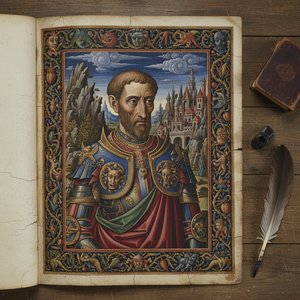
Cosmè Tura: Rediscovering the Ferrarese Master & His Distinctive Style
Discover Cosmè Tura (1430-1495), founder of the Ferrara School. Explore his unique style, key artworks & lasting influence. Expert insights for collectors.

Drama and Light: A Definitive Guide to the Italian Baroque Masterpieces and the Revolution of Chiaroscuro
Explore the dramatic world of Italian Baroque art. Discover how masters like Caravaggio used chiaroscuro and tenebrism to revolutionize painting through light, shadow, and profound realism. A definitive guide for history lovers and art collectors.

프라 안젤리코의 걸작 25선: 천상의 아름다움을 담은 명화 컬렉션 | OriginalUniqueArt
프라 안젤리코의 천상의 아름다움을 담은 25개의 명작을 만나보세요. 르네상스 시대 종교화, 금박 기법, 섬세한 색채가 빛나는 예술 작품들을 OriginalUniqueArt에서 감상하고 특별한 인테리어로 완성하세요. 지금 바로 컬렉션을 탐험하세요!
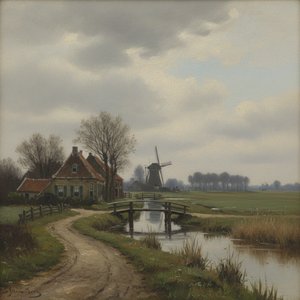
Jacob Henricus Maris: A Master of Dutch Atmospheric Realism & the Intimate Landscape
Explore the captivating world of Jacob Henricus Maris, a leading figure of the Dutch Hague School. Discover his atmospheric landscapes, signature brushstrokes & lasting influence on 19th-century art. Learn more at OriginalUniqueArt.
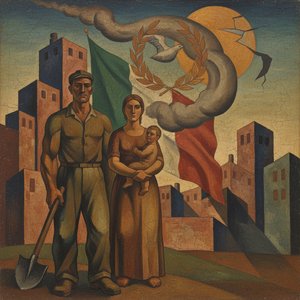
Mario Sironi: A Poetic of Modern Italian Identity Through Symbolism & Social Commentary
Explore the profound works of Mario Sironi, a key figure in Italian Modernism. Discover his evolution from Futurism to Metaphysical painting and his powerful social commentary. Learn about his legacy at OriginalUniqueArt.
