

 실제 크기로 보기
 보내기
보내기 공유하기
공유하기
 상세 보기
상세 보기 가이드 보기

 이미지 다운로드
 유사 작품 더 보기
 X-레이
X-레이 슬라이드 쇼 보기
 통계 정보
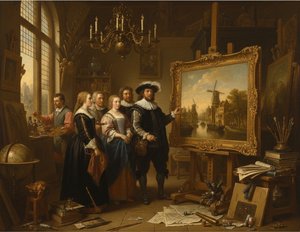
통계 정보The Duet
 Acrylic On Canvas
- WallArt
- Dutch Golden Age
 1663
1663 45.0 x 41.0 cm
 국립 미술관
 상세 보기
상세 보기
핸드메이드 유화 복제화
작가가 직접 캔버스에 손으로 그린 유화 작품으로, 원하는 크기와 액자로 맞춤 제작해 드립니다. ( 프린트 판매로 전환 디지털 이미지 판매 채널로 전환)




P118B $10

P118H $10

P118W $10

P438Z $10

P508JH $12

P508YH $12

P805H $10

P805Z $10

P919BZ $10

P919G $10

P919XJ $10

P959ZH $10

P968JZ $12

W106C $8

W218G $10

W218JH $8

W218Y $10

W307PJ $10

W316G $10

W316PJ $8

W316Y $10

W398PJ $8

W4111J $10

W500HY $15

W500JH $15

W692G $12

W849H $8

W940BG $15

W953PJ $8




작품의 원본 비율을 그대로 유지하는 프리셋 사이즈 중에서 선택해 보세요.

특정 프레임이나 공간에 맞춰 원하는 크기를 직접 입력하실 수 있습니다. 선택하신 크기가 원본 이미지의 비율과 일치하지 않을 경우, 작품을 자르거나 추가적인 수작업 요소를 더해 그림을 확장하여 제작합니다. 제작 시작 전, 최종 확인을 위해 디지털 목업을 보내드립니다.
화면상의 미리 보기는 실제 크롭(자르기)이나 확장된 상태를 완벽히 반영하지 않을 수 있습니다. 최종 구도는 오직 목업을 통해서만 정확하게 확인하실 수 있습니다.
맞춤 크기 제작도 가능하지만, 원본의 비율을 그대로 유지하기 위해서는 미리 정의된 목록에서 크기를 선택하시는 것을 권장합니다.
주문 완료 후 OriginalUniqueArt.com 팀에서 상세 안내를 위해 고객님께 이메일을 보내드리며, 미리보기 시안을 함께 제공해 드립니다.


 유리 옵션은 110cm 미만 크기에서만 선택 가능합니다.

The Duet
재현 매체
복제본 규격
-


총 결제 금액
$ 300
The Duet: A Portrait of Intimacy in 17th-Century Holland
Cornelis Pietersz Bega’s “The Duet,” painted in Haarlem around 1663, is more than just a depiction of a couple enjoying an evening together; it's a poignant window into the domestic life and burgeoning social dynamics of 17th-century Dutch society. The painting captures a moment of quiet contentment – a man playing the lute while his companion sits beside him, bathed in the soft glow of candlelight. Yet, beneath this seemingly simple scene lies a complex tapestry of symbolism and artistic technique, reflecting Bega’s skill as a genre painter and his deep understanding of the era's visual language. The composition is remarkably balanced, drawing the eye to the central figures while subtly incorporating details that hint at their relationship and the atmosphere of the room. Notice how the lute player’s posture suggests both engagement and gentle authority, while the woman’s relaxed demeanor conveys a sense of ease and shared pleasure.A Masterclass in Dutch Genre Painting
Bega's work firmly places “The Duet” within the rich tradition of Dutch genre painting – a movement that flourished during the Golden Age, characterized by its focus on everyday scenes of human life. Unlike grand historical or religious paintings, genre works aimed to capture the realities of ordinary people and their interactions. Bega’s style is distinctly influenced by Adriaen van Ostade, with whom he studied, but he possesses a unique sensitivity to light and color. He masterfully employs chiaroscuro – the dramatic contrast between light and shadow – to create depth and intimacy within the scene. The muted palette of browns, ochres, and creams evokes a sense of warmth and domesticity, while strategically placed highlights draw attention to key elements like the lute and the couple’s faces. The brushwork is loose and expressive, contributing to the painting's overall feeling of immediacy and realism.Symbolism Woven into Domestic Life
Beyond its immediate depiction, “The Duet” is laden with symbolic meaning. The lute itself represents harmony, pleasure, and courtship – a common motif in Dutch art during this period. Its presence underscores the romantic nature of the scene. The three vases scattered around the room are not merely decorative; they likely symbolize abundance, prosperity, and the couple’s comfortable lifestyle. The bottle on the left suggests hospitality and conviviality, inviting the viewer into their private world. Even the arrangement of objects – the worn rug, the simple furniture – speaks to a life of modest comfort and shared experience. The figures' clothing is also significant; they are dressed in relatively plain attire, reflecting the values of the time—simplicity and practicality alongside an appreciation for beauty and refinement.A Glimpse into a Short-Lived Artist’s Life
Cornelis Pietersz Bega (1630-1664) was a tragically short-lived artist, his life cut short by the plague at the age of 34. His career spanned only a decade, yet he produced a remarkable body of work that offers invaluable insights into Dutch domestic life during the mid-17th century. Born into an artistic family – his father was a sculptor and goldsmith, and his mother’s lineage included the renowned painter Cornelis van Haarlem – Bega inherited a strong foundation in craftsmanship and an appreciation for visual representation. His work is often compared to that of Adriaen van Ostade, another master of Dutch genre painting who captured the lives of peasants and laborers. Despite his brief career, Bega’s paintings are highly valued today for their realism, emotional depth, and ability to transport viewers back in time to a bygone era.Recreating the Intimacy: A High-Quality Reproduction
Today, “The Duet” is available as a meticulously crafted hand-painted reproduction by OriginalUniqueArt.com, preserving the essence of Bega’s original masterpiece. This faithful recreation captures not only the visual details but also the painting's inherent atmosphere of warmth and intimacy. The use of archival quality materials ensures that this reproduction will endure for generations to come, making it a stunning addition to any home or office – a timeless reminder of the beauty and complexity of everyday life in 17th-century Holland. The dimensions are 45 x 41 cm, offering an ideal size for display on walls throughout your living space.작가 소개
네덜란드 풍속화에 몰입한 삶
네덜란드 황금기의 찬란한 태피스트리 속에서 부드러운 울림을 남기는 이름, 코르넬리스 피테르스즈 베가(Cornelis Pietersz Bega)는 17세기 네덜란드의 친밀한 순간들을 포착하는 데 짧은 생애를 바친 예술가였습니다. 1630년경 하를렘에서 태어난(일부 기록에는 1631년 또는 1632년으로 전해짐) 베가는 예술적 열망이 깊게 뿌리 내린 가문에서 성장했습니다. 그의 아버지 피테르 얀스즈 베긴(Pieter Jansz. Begijn)은 숙련된 조각가이자 금세공사로서 가정 내에 장인 정신의 토대를 마련해 주었습니다. 하지만 어린 코르넬리스의 유산에 특히 흥미로운 층위를 더한 것은 그의 어머니 쪽 혈통이었습니다. 그의 어머니 마리아는 하를렘의 저명한 화가 코르넬리스 판 하를렘(Cornelis van Haarlem)의 사생아였습니다. 이러한 가족적 연결 고리는 의심할 여지 없이 그가 시각 예술에 대한 조기 안목을 기르는 데 도움을 주었으며, 아마도 전문 화가로서의 길을 걷기 시작하며 '베가'라는 이름을 채택하게 된 데에도 영향을 미쳤을 것입니다. 그가 태어난 세상은 예술적 혁신이 넘쳐나던 시기로, 네덜란드 화가들이 풍속화를 재정의하고 전례 없는 수준의 사실주의와 정서적 깊이를 성취해가던 시대였습니다.도제 교육과 예술적 발전
베가의 본격적인 훈련은 농민의 삶과 일상적인 장면을 묘사하는 거장으로 명성 높은 아드리안 반 오스타데(Adriaen van Ostade)의 지도 아래 시작되었습니다. 반 오스타데의 영향은 베가의 초기 작품에서 즉각적으로 드러납니다. 두 예술가 모두 평범한 사람들의 삶, 즉 그들의 노동과 여가, 그리고 소박한 환경 속에서의 상호작용을 묘사하는 데 깊은 매료를 공유했습니다. 그러나 스승에게 깊은 은혜를 입었음에도 불구하고 베가는 단순한 모방가에 머물지 않았습니다. 그는 점차 정교한 구도 감각과 인물 묘사에 대한 미묘한 이해를 특징으로 하는 독자적인 스타일을 발전시켜 나갔습니다. 반 오스타데가 종종 자신의 장면에 특정한 교훈적 어조를 담았던 것과 달리, 베가는 삶이 펼쳐지는 그대로를 과도한 판단 없이 제시하는 관찰자적 접근 방식을 취하는 경향이 있었습니다. 이러한 관점의 미묘한 변화는 그로 하여금 놀라울 정도로 친밀하고 공감할 수 있는 작품을 창조하게 했습니다. 반 오스타데의 직접적인 영향 외에도, 베가의 예술적 발전은 창의적인 에너지가 넘치고 수많은 재능 있는 화가들의 고향이었던 하를렘의 폭넓은 예술적 기류에 의해 의심할 여지 없이 형성되었습니다.선술집을 넘어: 확장된 예술적 지평 베가는 네덜란드 황금기에 엄청난 인기를 누렸던 풍속화, 즉 일상생활의 묘사를 전문으로 삼았습니다. 그의 캔버스는 대화나 게임에 몰두하거나 단순히 휴식을 즐기는 인물들로 가득 찬 활기찬 선술집 장면을 자주 보여주었습니다. 이러한 작품들은 17세기 네덜란드의 사회적 구조를 들여다볼 수 있는 귀중한 단초를 제공하며, 당시의 의복, 관습, 그리고 여가 활동에 대한 세부적인 정보를 드러냅니다. 그러나 베가의 예술적 호기심은 이러한 전형적인 주제를 넘어 확장되었습니다. 그는 매혹적인 작품인 ‘연금술사(The Alchemist)’에서 볼 수 있듯이 작업 중인 연금술사나 우주의 신비를 들여다보는 점성술사와 같은 보다 이색적인 주제들도 탐구했습니다. 이러한 덜 흔한 모티프들은 실험적인 의지와 당대의 지적 흐름에 대한 그의 매료를 보여줍니다. 그의 팔레트는 대개 풍부한 갈색, 회색, 황토색과 같은 따뜻한 대지색을 선호하여, 관람객을 장면의 심장부로 끌어들이는 친밀함과 사실주의적 분위기를 조성했습니다. 빛과 그림자의 숙련된 사용은 깊이감과 즉각성을 더욱 강화하여, 그의 피사체들에 놀라운 명료함으로 생명력을 불어넣었습니다.
유럽 여정과 비극적인 결말
1653년부터 1654년까지 베가는 동료 화가들인 디르크 헬름브레커(Dirk Helmbreker), 빈센트 판 데르 빈네(Vincent van der Vinne), 길람 뒤부아(Guillam Dubois)와 함께 독일, 스위스, 프랑스를 아우르는 야심 찬 ‘그랜드 투어’에 나섰습니다. 이 여정은 판 데르 빈네의 일기에 세밀하게 기록되어, 그들이 여행 중에 마주친 예술적 풍경에 대한 매혹적인 기록을 제공합니다. 다양한 예술 양식과 문화적 영향에 노출된 경험은 의심할 여지 없이 베가의 지평을 넓혔으며 그의 진화하는 예술적 비전에 기여했습니다. 하를렘으로 돌아온 후, 그는 1654년 성 루카 길드(Guild of St. Luke)에 입회하며 전문 화가로서의 지위를 확고히 하는 중요한 이정표를 세웠습니다. 그러나 슬프게도 베가의 유망한 경력은 비극적으로 단절되었습니다. 그는 1664년, 약 서른두서 서른세 살이라는 젊은 나이에 당시 유럽을 휩쓸었던 페스트로 인해 사망한 것으로 보입니다. 그는 할아버지인 코르넬리스 판 하를렘과 함께 가족 묘지에 안치되었는데, 이는 그들의 세대를 하나로 묶어준 영속적인 예술적 유산에 대한 가슴 아픈 증거로 남아 있습니다.유산과 지속적인 인상
비록 동시대의 다른 화가들만큼 널리 알려지지는 않았지만, 코르넬리스 피테르스즈 베가는 네덜란드 황금기 회화 역사에서 중요한 위치를 차지하고 있습니다. 그의 작품은 활기찬 구도, 농민 생활에 대한 사실적인 묘사, 그리고 친밀한 분위기로 높이 평가받습니다. 그는 일상의 순간들이 가진 본질을 포착하여 평범한 장면을 매혹적인 서사로 변모시키는 놀라운 능력을 지니고 있었습니다. 베가의 회화는 17세기 네덜란드 사회에 대한 귀중한 통찰을 제공하며, 거대한 역사적 또는 종교적 캔버스에는 거의 등장하지 않았던 이들의 삶을 들여다볼 수 있는 창을 열어줍니다. 그의 유산은 오늘날에도 그의 예술이 지닌 지속적인 매력과 관람객을 지나간 시대로 이동시켜 네덜란드 황금기의 풍경, 소리, 그리고 정신을 경험하게 하는 능력을 통해 공명하고 있습니다. 그의 공헌은 획기적인 혁신에 있는 것이 아니라, 사랑받는 장르를 숙련되게 수행해냄으로써 이 중대한 시기의 네덜란드 삶과 예술적 표현에 대한 우리의 이해를 풍요롭게 하는 데 있습니다.
코르넬리스 피테르스즈 베가
1630 - 1664
작가 정보 요약
- Artistic Movement Or Style: 네덜란드 황금기 회화
- Artists Who Influenced This Artist: ['아드리안 반 오스타데']
- Date Of Birth: 1630
- Date Of Death: 1664
- Full Name: 코르넬리스 피테르스즈 베가
- Nationality: 네덜란드
- Notable Artworks:
- 연금술사
- 선술집 풍경
- Place Of Birth: 네덜란드 하를럼
관련 기사

Golden Light & Dutch Skies: The Timeless Magic of Dutch Golden Age Landscapes
Discover the breathtaking beauty of Dutch Golden Age landscapes. Explore the mastery of light, chiaroscuro, and 17th-century realism through an expert art history lens, celebrating the enduring legacy of the Dutch Masters for discerning collectors and art lovers.
Illuminating Innovation: Exploring the Dutch Golden Age of Painting
Explore the Dutch Golden Age of painting with OriginalUniqueArt. Discover Rembrandt, Vermeer & other Masters. Learn about key characteristics, iconic artworks, and lasting influence. Expert insights for collectors & enthusiasts.

네덜란드 황금 시대 예술의 정수를 담은 10대 걸작 탐구
렘브란트, 베르메르의 걸작부터 할스의 인물화까지! 네덜란드 황금시대 미술의 10대 명품을 만나보세요. 예술적 깊이와 아름다움을 담은 작품들을 OriginalUniqueArt에서 감상하고, 고품질 아트 프린트로 당신의 공간에 특별함을 더하세요. 지금 바로 OriginalUniqueArt.com에서 모든 걸작을 발견하세요!

Mastering Light & Shadow: A Journey Through the Dutch Golden Age's Luminous Legacy
Embark on a cultural journey through the Dutch Golden Age. Explore the masterful interplay of light and shadow in 17th-century masterpieces, from Rembrandt to Vermeer, and discover how this era of profound realism continues to inspire fine art collectors today.

Golden Age Reflections: Dutch Baroque Painting & Cultural Innovation
Explore the Dutch Golden Age of painting! Discover key artists like Vermeer & ter Borch, their innovative techniques, and the rich cultural context behind these Baroque masterpieces. Learn about collecting & appreciating this iconic art period.