
 미리보기
미리보기
 프린트 구매
 공유하기
공유하기 공유하기
공유하기
 상세 정보
상세 정보

 다운로드
다운로드
 유사 작품
유사 작품 X-레이
X-레이 슬라이드 쇼
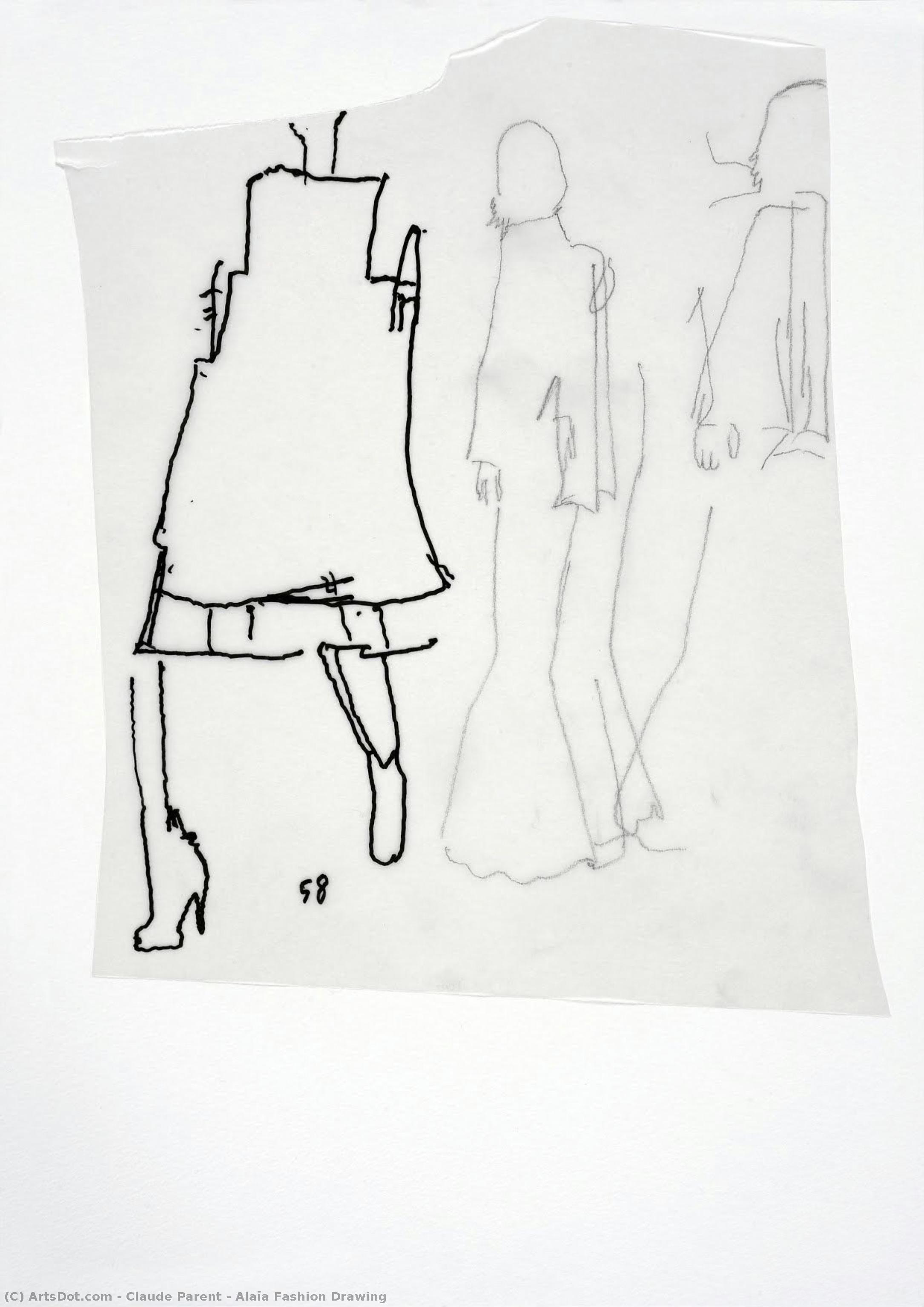
Alaïa Fashion Drawing


 더 보기
더 보기




P118B $10

P118H $10

P118W $10

P438Z $10

P508JH $12

P508YH $12

P805H $10

P805Z $10

P919BZ $10

P919G $10

P919XJ $10

P959ZH $10

P968JZ $12

W106C $8

W218G $10

W218JH $8

W218Y $10

W307PJ $10

W316G $10

W316PJ $8

W316Y $10

W398PJ $8

W4111J $10

W500HY $15

W500JH $15

W692G $12

W849H $8

W940BG $15

W953PJ $8




작품의 원본 비율을 유지하는 미리 설정된 크기 중에서 선택하세요.

특정 프레임이나 공간에 맞도록 직접 크기를 입력할 수 있습니다. 선택하신 크기가 원본 이미지의 비율과 일치하지 않는 경우, 작품을 자르거나 추가적인 손으로 그린 요소를 사용하여 그림을 확장합니다. 제작 시작 전 승인을 위해 디지털 목업을 보내드립니다.
화면 미리 보기는 실제 자르기 또는 확장을 반영하지 않습니다. 최종 구성은 목업을 통해서만 정확하게 확인하실 수 있습니다.
맞춤 크기 제작도 가능하지만, 원본 비율을 유지하기 위해 사전 정의된 목록에서 크기를 선택하시는 것을 권장합니다.
주문 후 OriginalUniqueArt.com 팀에서 상세 안내를 위해 고객님께 이메일을 보내드리며, 미리보기 시안을 제공해 드립니다.


 유리 옵션은 110cm 미만 크기에서만 선택 가능합니다.

Alaïa Fashion Drawing
재현 기법
복제본 크기
-


최종 결제 금액
$ 300
작품 상세 설명
Claude Parent: Alaïa Fashion Drawing – A Minimalist Echo of Avant-Garde Vision
Claude Parent’s “Alaïa Fashion Drawing,” created in 2016, isn't merely a depiction of a dress; it’s a crystallized embodiment of the artist’s radical philosophy—the ‘Oblique Function.’ Born in Neuilly-sur-Seine, France, in 1923 and passing away in 2016, Parent fundamentally challenged Modernist architectural dogma, rejecting straight lines and static forms for a dynamic space responsive to human movement. This drawing serves as a tangible manifestation of that conceptual breakthrough, offering a glimpse into his singular artistic sensibility.- Subject Matter: The artwork centers on the design of a dress by Alaïa, a celebrated French fashion house known for its sculptural silhouettes and innovative use of materials. However, Parent’s focus transcends mere representation; he seeks to capture the essence of form itself—the interplay between shape and movement.
- Style: The drawing exemplifies schematic or technical drawing, characteristic of early-stage design work. It eschews detailed rendering in favor of a deliberately reductive approach, prioritizing line work to convey volume and spatial relationships. This minimalist aesthetic aligns perfectly with Parent’s broader philosophical stance against superfluous ornamentation.
- Technique: Executed in ink on off-white paper, the drawing utilizes freehand sketching with continuous lines—a technique that lends it a slightly sketchy quality suggestive of spontaneous creation. The artist employs a deliberate absence of shading or texture, emphasizing clarity and precision while simultaneously conveying an impression of dynamism through subtle variations in line thickness.
Composition & Spatial Dynamics: Embracing the Oblique Function
The composition is strikingly simple yet profoundly impactful. Two primary elements dominate the frame: a larger depiction of the dress on the left side and three stylized figures representing models wearing it on the right. This arrangement isn’t accidental; Parent consciously positions these elements to illustrate how clothing interacts with the human body—a core concept underpinning his ‘Oblique Function.’ The oblique function posits that architecture should disrupt conventional spatial perceptions, creating unexpected shifts and tilts that mimic the movement of the human form.- Perspective & Depth: Minimal perspective contributes to the drawing’s flattened dimensionality, mirroring Parent's rejection of traditional representational conventions. However, overlapping lines and variations in line thickness subtly suggest depth—a deliberate illusion designed to convey a sense of spatial complexity despite the simplified visual language.
- Line Work as Spatial Indicator: The artist utilizes line work not just to define shapes but also to delineate boundaries and create implied movement. Thick lines anchor the dress’s form, while thinner lines weave through the figures, subtly hinting at their positioning within the space—a technique that embodies Parent's fascination with disrupting established spatial hierarchies.
Color Palette & Emotional Resonance: Monochrome Elegance
The drawing’s color palette is deliberately restrained, relying solely on black ink against a pale off-white background. This monochrome aesthetic underscores Parent’s belief that beauty resides in simplicity and purity—a principle he applied consistently throughout his architectural practice and artistic endeavors. The stark contrast between the dark lines and light paper enhances visual impact and reinforces the drawing's emotional resonance.- Symbolism: The absence of color isn’t merely stylistic; it symbolizes Parent’s desire to liberate form from decorative constraints—a rejection of sentimentality in favor of intellectual rigor. It reflects his conviction that architecture should prioritize structural integrity and conceptual clarity above all else.
- Mood & Atmosphere: The drawing evokes a sense of calm contemplation and understated elegance—qualities that align with Parent’s artistic vision as a whole. It communicates an appreciation for precision, balance, and the transformative potential of spatial design.
Historical Context & Influences: Challenging Modernism's Boundaries
Claude Parent’s “Alaïa Fashion Drawing” emerged from a pivotal moment in architectural history—the mid-1950s, when he spearheaded the avant-garde Espace group alongside André Bloc and Félix del Marle. This group actively questioned the dominance of Modernist ideals, advocating for architecture that embraced dynamism and responsiveness to human movement. Parent’s influence extended beyond his own work; he mentored Ionel Schein and inspired figures like Jean Nouvel, shaping the trajectory of architectural thought in France and internationally. The drawing stands as a testament to his unwavering commitment to pushing boundaries and redefining perceptions of space—a legacy that continues to resonate within contemporary artistic discourse.Concluding Remarks: A Fragment of Oblique Genius
“Alaïa Fashion Drawing” isn’t simply an illustration; it's a distilled expression of Claude Parent’s philosophical convictions—a miniature manifesto embodying his revolutionary vision for architecture and art alike. Its minimalist aesthetic, coupled with its masterful use of line work and spatial dynamics, encapsulates the essence of his groundbreaking concept of the ‘Oblique Function,’ securing its place as a seminal artwork reflecting the spirit of an era dedicated to questioning established norms and embracing radical innovation.작가 약력
사선의 이단아: 클로드 파랑의 혁명적 비전
1923년 프랑스 뇌유 쉬르 센에서 태어나 2016년 생을 마감한 클로드 파랑은 단순한 건축가 그 이상이었습니다. 그는 모더니즘 건축 사상의 근간에 근본적인 의문을 제기하며 도전장을 내민 철학적 선동가였습니다. 그는 직각과 정적인 형태가 지배하던 시대에 과감히 맞서, 움직이는 인간의 신체에 반응하는 역동적인 건축을 꿈꿨습니다. 이러한 그의 비전은 '사선 기능(Obint Function)'이라는 혁신적인 개념을 통해 구체화되었습니다. 파랑의 여정은 1949년부터 1955년까지 이오넬 샤인 밑에서 보낸 도제 기간을 통해 기술적 토대를 다지는 것으로 시작되었습니다. 그러나 이 시기는 동시에 기존 규범으로부터의 해방을 갈망하게 만든 계기가 되기도 했습니다. 이러한 열망은 그를 1951년 아방가르드 그룹인 '에스파스(Espace)'로 이끌었고, 예술가 앙드레 블록, 펠릭스 델 마를과 함께하며 공간과 형태에 대한 급진적인 새로운 아이디어들을 접하게 했습니다. 이 초기 경험은 건축적 반란을 향한 그의 궤적을 결정짓는 중추적인 역할을 했습니다.사선 기능의 탄생
1950년대 중반에 이르러 파랑은 자신만의 독창적인 길을 개척하기 시작했습니다. 모더니즘 건축을 정의하던 경직된 직교 체계를 거부하고, 그는 정적인 안정성보다 움직임과 역동성을 우선시하는 원리인 '사선 기능'을 발전시천시켰습니다. 이는 단순한 미학적 선택이 아니라, 인간이 공간과 어떻게 상호작용하는가에 대한 철학적 선언이었습니다. 파랑은 건축물이 신체에 강요되는 것이 아니라, 오히려 인간의 자연스러운 움직임을 수용하고 장려해야 한다고 믿었습니다. 그는 기울어지고 뒤틀린 볼륨을 구상하여 바닥과 벽이라는 전통적인 개념을 무너뜨리는 불연속적인 공간을 창조해냈으며, 이를 통해 사용자에게 일종의 방향 감각 상실을 유도하고 건축을 경험하는 새로운 방식을 제안했습니다. 이러한 급진적인 접근은 고립된 상태에서 탄생한 것이 아니라, 철학자 폴 비릴리오와의 지적 파트너십과 깊게 맞물려 있었습니다. 두 사람은 1963년 '아키텍처 프린시프(Architecture Principe)' 그룹을 결성하여 속도, 기술, 그리고 움직임이 건축 공간에 미치는 영향을 탐구했으며, 이 협업은 파랑의 가장 상징적인 작품들을 탄생시키는 밑거름이 되었습니다.기념비적 프로젝트와 도발적인 협업
비릴리오와의 협업은 그들의 가장 찬란한 업적인 네베르의 '생 베르나데트 뒤 방레이 성당(1966)'에서 정점에 달했습니다. 사선 기능을 구현한 경이로운 기념비인 이 콘크리트 성당은 극적으로 기울어진 바닥과 기존 종교 건축의 틀을 깨는 파격적인 형태를 보여줍니다. 이곳은 단순한 건물이 아니라 하나의 경험 그 자체입니다. 즉, 관찰자를 혼란에 빠뜨리고 깊은 명상을 유도하도록 설계된 공간인 것입니다. 이러한 기념비적 프로젝트 외에도 파랑은 자신의 원리를 다른 작업에도 일관되게 적용했습니다. '메종 드루슈(1963)'는 주거 디자인에 사선 기능을 적용한 초기 사례로 꼽히며, 노출 콘크리트로 지어진 '상스 슈퍼마켓(1970)' 프로젝트는 이러한 아이디어를 상업 공간으로 번안해내는 그의 능력을 증명했습니다. 파랑의 다재다능함은 건축의 경계를 넘어 확장되었습니다. 그는 1970년 베네치아 비엔날레의 프랑스관 큐레이터를 맡아 전시 공간을 사선적 공간으로 탈바엇시키며 예술가들이 이 이색적인 환경과 교감하도록 유도했습니다. 심지어 패션 일러스트레이션 분야에 도전하여 아즈제네 알라이아를 위한 강렬한 디자인을 선보이기도 했는데, 이는 그의 뛰어난 적응력과 예술적 스펙트럼을 잘 보여주는 대목입니다.파괴적 혁신의 영원한 유산
1968년 비릴리오와의 파트너십은 해체되었지만, 파랑은 커리어 전반에 걸쳐 사선 기능을 끊임없이 정교화하고 실행에 옮겼습니다. 그는 확립된 규범에 도전하는 지치지 않는 옹호자로 남았으며, 지적으로 자극적이면서도 경험적으로 몰입할 수 있는 공간을 창조해냈습니다. 그의 작업은 해체주의의 발전에도 깊은 영향을 미쳤으며, 기존의 제약에서 벗어나고자 하는 현대 건축가와 디자이너들에게 여전히 깊은 울림을 주고 있습니다. 파랑의 유산은 단순히 그가 남긴 건축물에만 국한되지 않습니다. 그것은 건축적 담론의 경계를 확장시킨 그의 이론적 기여와 도발적인 선언적 드로잉, 그리고 현상 유지(status quo)에 끊임없이 의문을 제기했던 확고한 의지 속에 살아 숨 쉬고 있습니다. 그는 건축이 단순한 피난처를 넘어 사유의 촉매제가 될 수 있으며, 지각에 대한 도전이자 인간 존재의 역동성을 반영하는 거울이 될 수 있음을 증명해 보였습니다. 그의 작업은 우리 주변의 세계를 이해하는 방식을 형성하는 건축의 힘을 보여주는 영원한 증거로 남아 있습니다.클로드 파랑의 작품 세계 탐구
- 알라이아 패션 드로잉: 우아한 라인과 대담한 대비가 돋빛나는 미니멀리즘 패션 드로잉을 만나보세요. 알라이아의 실루엣을 반영한 독창적인 그래픽 디자인입니다.
- 생 베르나데트 뒤 방레이 성당 (1966): 사선 기능과 그것이 공간 경험에 미치는 영향을 구현한 기념비적 프로젝트로, 극적으로 기울어진 바닥을 가진 콘크리트 성당입니다.
- 메종 드루슈 (1963): 파랑의 사선 원리를 적용한 초기 주거 사례로, 가정적 공간에 대한 그의 혁신적인 접근 방식을 보여줍니다.

클로드 파랑
1923 - 2016 , 프랑스
주요 정보
- Artistic Movement Or Style: 사선 건축 (Oblique Architecture)
- Artists Or Movements Influenced By This Artist:
- 해체주의
- 폴 비릴리오
- Artists Who Influenced This Artist:
- 이오넬 샤인
- 앙드레 블록
- 펠릭스 델 마를
- Date Of Birth: 1923-02-26
- Date Of Death: 2016-02-27
- Full Name: 클로드 파랑 (Claude Parent)
- Nationality: 프랑스
- Notable Artworks:
- 생 베르나데트 뒤 방레이 성당
- 드루슈 저택
- 알라이아 패션 드로잉
- Place Of Birth: 프랑스, 뇌이 쉬르 센
관련 기사 더 보기
The Subtlety of Form: Exploring Emotional Resonance in Minimalist Art
Explore the emotional depth of minimalist art with OriginalUniqueArt. Discover key artists like Agnes Martin & Donald Judd, investment potential, and how to collect this influential movement. Expert insights for discerning collectors.
Draped Narratives: Fashion as Symbol & Subject in Historical Art
Explore the fascinating history of fashion as a symbol of power & status in art! Discover masterpieces from Gainsborough to Tissot and learn how clothing shaped societal narratives. Find museum-quality reproductions at OriginalUniqueArt.

Chromatic Resonance: Integrating Saturated Abstract Art into Interior Design – A Guide to Balance, Accentuation & Harmony
Discover how to seamlessly integrate saturated abstract art into your interior design projects. Expert guidance on color palettes, scaling, placement & creating harmonious spaces. Elevate your designs with confidence.
Geometric Design in Art: A Historical Survey & Contemporary Appeal for Collectors
Explore the enduring legacy of geometric abstraction! Discover key artists, historical movements & investment insights for discerning art collectors. Expert guidance from OriginalUniqueArt.

Mariano Fortuny: A Fusion of Art, Fashion & Design – Exploring a Venetian Innovator's Legacy
Explore the captivating world of Mariano Fortuny – artist, designer & innovator. Discover his revolutionary textiles, iconic Delphos gown, and lasting influence on art, fashion & interiors. A collector's guide to a Venetian master.

