프린트 판매로 전환
 더 보기
더 보기







































 가로 또는 세로 중 어느 한 면이라도 105cm(약 41인치)를 초과하는 작품이나 복제화의 경우, 프레임은 분해된 키트 형태로 배송됩니다. 이는 안전한 배송을 보장하고 운송 중 발생할 수 있는 손상을 방지하기 위함입니다.


A Symphony of Light and Reflection: Water Lilies 21 by Claude Monet
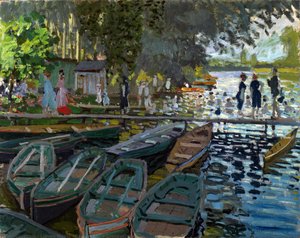
Claude Monet’s “Water Lilies 21” is more than just a depiction of a tranquil pond; it's an immersive experience, a meditation on the ephemeral beauty of nature captured with unparalleled sensitivity. This exquisite work embodies the very essence of Impressionism – a movement born from a desire to record not fixed reality, but the fleeting effects of light and atmosphere. Painted in his beloved Giverny garden, Monet sought to translate the sensory experience of being present within this idyllic landscape onto canvas. The painting’s subject matter—water lilies floating on a shimmering surface—is deceptively simple, yet it becomes profoundly complex through Monet's masterful manipulation of color and texture.
Impressionistic Technique: Capturing Fleeting Moments
- Broken Color: Monet’s technique relies heavily on “broken color,” a method where small, unmixed strokes of pure pigment are applied side-by-side. This creates a vibrant, shimmering effect as the viewer's eye blends the colors together, mimicking the way light reflects off water and foliage.
- En Plein Air: As with many of his most celebrated works, “Water Lilies 21” was created *en plein air* – directly from nature. This allowed Monet to observe and translate the nuances of light and shadow in real-time, resulting in a remarkably accurate and evocative representation of the scene.
- Loose Brushwork: The painting’s loose, almost haphazard brushstrokes contribute significantly to its Impressionistic character. They convey movement, fluidity, and the transient nature of the subject matter.
Symbolism and the Garden of Giverny
Monet's garden at Giverny was a carefully constructed environment, designed to provide him with endless inspiration. The water lilies themselves held symbolic significance, representing purity, tranquility, and the cyclical nature of life. The surrounding trees – weeping willows, irises, and poplars – were strategically placed to create dramatic effects of light and shadow, further enhancing the painting’s visual impact. The composition echoes the Japanese aesthetic principles of asymmetry and negative space, a hallmark of Monet's artistic sensibility.
Historical Context: The Rise of Impressionism
"Water Lilies 21" was created during a pivotal moment in art history – the rise of Impressionism. Emerging in the mid-19th century, this revolutionary movement challenged the established academic traditions of painting, rejecting detailed realism in favor of capturing subjective impressions and emotions. Monet’s work is considered one of the most important examples of this style, profoundly influencing generations of artists to come. The painting reflects a broader shift towards valuing personal experience and observation over rigid artistic conventions.
Emotional Impact: A Window into Serenity
Looking at “Water Lilies 21,” one is immediately drawn into the scene’s serene atmosphere. Monet's masterful use of color and light evokes a sense of calm, tranquility, and wonder. The painting invites contemplation and offers a momentary escape from the stresses of daily life. It’s a testament to Monet’s ability to capture not just what he saw, but also how he *felt* about it – a profound connection with the beauty and mystery of the natural world.
질의응답
클로드 모네의 "Water-Lilies 21"은 강렬한 대비를 사용하나요, 아니면 부드러운 조화를 이루고 있나요?
클로드 모네의 "Water-Lilies 21"의 색채 분석은 Serene한 대비와 Discordant Palette한 조화를 보여줍니다.
"Water-Lilies 21"의 조회수는 어떻게 되나요?
클로드 모네의 "Water-Lilies 21"의 방문 통계 페이지에서는 해당 작품의 월간 방문 수, 작가의 최고 조회 작품과의 비교, 그리고 방문자 유입 경로 등 공개된 방문 통계를 제공합니다.
클로드 모네의 "Water-Lilies 21"의 분위기는 어떠한가요?
"Water-Lilies 21"은(는) Ethereal 분위기를 자아냅니다.
이 작품에 대해 더 알아보기
 미리보기
미리보기
 공유하기
공유하기 공유하기
공유하기
 상세 정보
상세 정보 가이드 보기

 다운로드
다운로드
 유사 작품 더 보기
 X-레이
X-레이 슬라이드 쇼 보기
 질의응답
질의응답 통계 정보
통계 정보