프린트 판매로 전환
 더 보기
더 보기







































 가로 또는 세로 중 어느 한 면이라도 105cm(약 41인치)를 초과하는 작품이나 복제화의 경우, 프레임은 분해된 키트 형태로 배송됩니다. 이는 안전한 배송을 보장하고 운송 중 발생할 수 있는 손상을 방지하기 위함입니다.


The Impressionistic Dance of Light: Claude Monet’s *The Marina at Argenteuil*
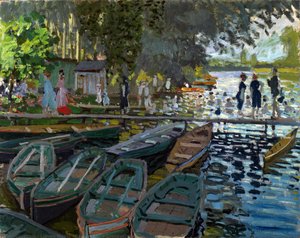
Claude Monet's *The Marina at Argenteuil*, painted in 1872, isn’t merely a depiction of a riverside scene; it’s a vibrant embodiment of the burgeoning Impressionist movement and a testament to Monet’s revolutionary approach to capturing fleeting moments. More than just a picturesque harbor view, this painting is an invitation into a world where light and color reign supreme, dissolving form and inviting the viewer to participate in the very act of perception. Situated near Paris, Argenteuil offered Monet and his contemporaries a crucial space for experimentation – a place far removed from the rigid constraints of academic art, allowing them to pursue their own unique vision of reality. The painting’s genesis lies within this spirit of innovation, reflecting a shift away from meticulously detailed representations towards an emphasis on capturing the ephemeral qualities of light and atmosphere.A Scene of Modernity: Life Along the Seine
*The Marina at Argenteuil* transports us to a bustling harbor scene, alive with activity and imbued with a sense of everyday life. The composition is deceptively simple – a collection of boats bobbing on the water, interspersed with figures engaged in various pursuits. We see people strolling along the shore, perhaps enjoying a leisurely afternoon; others are seated near the water’s edge, seemingly lost in contemplation or conversation. A solitary horse grazes nearby, adding an element of rustic charm to the urban backdrop. This wasn't a grand historical scene, but rather a snapshot of contemporary life – a deliberate choice by Monet that aligned with the Impressionists’ interest in portraying modern subjects and experiences. The inclusion of the horse, a common sight in rural areas surrounding Paris, subtly anchors the scene within a broader landscape context.Breaking Down Light: Monet's Revolutionary Technique
Monet’s genius lies not just in what he depicts but *how* he depicts it. He employs his signature technique of “broken color,” utilizing short, distinct brushstrokes to build up the image layer by layer. This isn’t a smooth, blended application; instead, individual strokes of pure color are juxtaposed, allowing the viewer's eye to blend them together and create an illusion of shimmering light and movement. The sky itself is rendered with rapid, feathery strokes, conveying the dynamism of the atmosphere – the subtle shifts in hue as clouds drift across the horizon. This technique, born from his studies with Eugène Boudin who championed *plein air* painting, was a radical departure from traditional oil painting methods, prioritizing the immediate impression of light and color over precise detail. The effect is remarkably vibrant and alive, capturing the essence of a summer’s day on the Seine.The Language of Color: Reflecting Light and Emotion
Monet's masterful use of color is central to the painting’s emotional impact. He doesn’t simply represent the colors he sees; he uses them to evoke sensations – the cool blues and greens of the water, the warm yellows and oranges of the sunlight reflecting off the boats, the hazy greys of the distant sky. The reflections on the water are particularly noteworthy, demonstrating Monet's keen observation of how light interacts with surfaces. These shimmering patches of color aren’t merely decorative; they contribute to a sense of depth and movement, drawing the viewer into the scene. The overall palette is bright and optimistic, reflecting the joy and vitality of the subject matter – a celebration of modern life and the beauty of nature.A Legacy of Impressionism: Inspiration for Generations
*The Marina at Argenteuil* stands as a pivotal work in the history of art, solidifying Monet’s position as a leading figure in the Impressionist movement. It exemplifies the movement's core principles – capturing fleeting moments, emphasizing light and color, and rejecting traditional academic conventions. The painting continues to resonate with viewers today because it taps into something fundamental about human experience: our ability to perceive beauty in the everyday world. It’s a reminder that art isn’t simply about representing reality; it's about conveying an *impression* – a feeling, a mood, a moment of time captured on canvas. Reproductions of this masterpiece offer a unique opportunity to bring this vibrant scene into your home and experience the magic of Monet’s vision firsthand.질의응답
클로드 모네의 "The Marina at Argenteuil"과(와) 비슷한 느낌의 작품을 어떻게 찾을 수 있나요?
클로드 모네의 "The Marina at Argenteuil"과(와) 유사한 작품들은 해당 작품의 유사한 작품들 페이지에서 모아 보실 수 있습니다.
클로드 모네의 "The Marina at Argenteuil"의 색채 구성은 어떻게 이루어져 있나요?
클로드 모네의 "The Marina at Argenteuil"의 색채 분석은 설명한 대비와 부조화스러운 색채 구성한 조화를 보여줍니다.
클로드 모네의 "The Marina at Argenteuil"의 형식에는 어떤 배치가 어울릴까요?
가로형 형태의 "The Marina at Argenteuil" 복제 작품은 거실 공간에 배치하시기에 좋습니다.
이 작품에 대해 더 알아보기
 미리보기
미리보기
 공유하기
공유하기 공유하기
공유하기
 상세 정보
상세 정보 가이드 보기

 다운로드
다운로드
 유사 작품 더 보기
 X-레이
X-레이 슬라이드 쇼 보기
 질의응답
질의응답 통계 정보
통계 정보