프린트 판매로 전환
 더 보기
더 보기







































 가로 또는 세로 중 어느 한 면이라도 105cm(약 41인치)를 초과하는 작품이나 복제화의 경우, 프레임은 분해된 키트 형태로 배송됩니다. 이는 안전한 배송을 보장하고 운송 중 발생할 수 있는 손상을 방지하기 위함입니다.


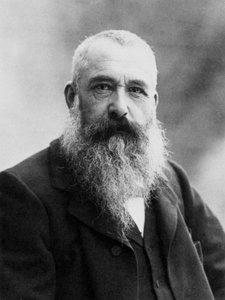
Claude Monet: The Impressionist Pioneer
Claude Monet (1840-1926) stands as an undisputed titan of Impressionism, a movement that irrevocably transformed the landscape of European art and fundamentally altered how artists perceived and represented the world around them. Born Oscar Claude Monet in Paris, France, his artistic journey began amidst the burgeoning intellectual ferment of the Belle Époque—a period characterized by optimism, technological advancement, and a fervent embrace of new ideas. Influenced profoundly by Eugène Boudin’s advocacy for plein air painting – capturing scenes directly from nature – Monet swiftly abandoned academic conventions favoring instead a revolutionary approach that prioritized fleeting impressions of light and color. This decision wasn't merely stylistic; it represented a profound philosophical shift toward experiencing the world as it truly appeared, rather than imposing preconceived notions upon it.- Early Influences: Boudin’s encouragement to paint outdoors instilled in Monet a lifelong dedication to observing and documenting natural phenomena with unprecedented accuracy.
- Academic Training: Despite his father's reservations about pursuing art professionally, Monet briefly studied at the Académie Suisse and under Charles Gleyre, encountering fellow artists like Auguste Renoir who would become collaborators and friends.
The Grand Canal Series: Venice Revisited
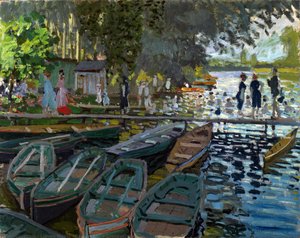
Monet’s second visit to Venice in 1908 cemented his reputation as an artist capable of capturing the sublime beauty of urban landscapes. Driven by a desire to explore how light interacted with architectural forms, he embarked on a prolific series of paintings depicting the iconic Grand Canal—a waterway teeming with gondolas and reflecting the hazy glow of Venetian skies. Unlike traditional painters who sought to render precise details and perspective, Monet prioritized conveying atmosphere and emotion through subtle gradations of color and brushstrokes. His technique involved layering thin glazes of paint onto canvas, allowing light to penetrate through successive layers and creating shimmering effects that captured the ephemeral quality of Venetian daylight.- Technique: Monet’s masterful use of glazing—applying translucent layers of pigment—was instrumental in achieving his signature luminous style.
- Composition: He skillfully arranged gondolas and boats within the frame, emphasizing the interplay between light and shadow to heighten the dramatic impact of each scene.
Symbolism Beyond Representation
Monet’s artistic vision extended far beyond mere visual depiction; he sought to imbue his paintings with symbolic resonance—reflecting the philosophical currents of his time and conveying deeper truths about human experience. The Grand Canal series, for instance, served as a meditation on beauty, tranquility, and the passage of time—themes that resonated deeply with Impressionist artists who rejected sentimentalism in favor of capturing authentic emotion. Monet’s fascination with light—considered by him to be the primary agent of perception—mirrored the broader intellectual preoccupation with scientific inquiry and the challenge to traditional epistemological assumptions. His canvases became embodiments of a worldview rooted in observation, intuition, and an unwavering belief in the transformative power of art.- Light as Inspiration: Monet viewed light not merely as illumination but as an active force shaping our sensory experience—a concept central to Impressionist thought.
- Emotional Resonance: His paintings evoked feelings of serenity, wonder, and contemplation—reflecting the artists’ desire to communicate profound truths about human existence.
Legacy and Influence
Claude Monet's legacy transcends his artistic achievements; he established Impressionism as a dominant aesthetic force that continues to inspire artists worldwide. His pioneering approach to plein air painting revolutionized artistic practice, paving the way for subsequent movements such as Fauvism and Expressionism—all of which embraced bold color palettes and emotive brushstrokes in defiance of academic conventions. Monet’s unwavering commitment to capturing the fleeting beauty of nature cemented his place among the most influential artists of the 19th century—a testament to the enduring power of artistic vision and its capacity to reshape our understanding of the world.질의응답
"The Grand Canal 3"을(를) 완성한 예술가와 화풍은 무엇인가요?
"The Grand Canal 3"은(는) 클로드 모네가 Impressionism 양식으로 제작한 작품입니다. 작가와 미술 사조를 통해 해당 작품의 예술적 전통을 확인할 수 있습니다.
클로드 모네의 "The Grand Canal 3"의 전반적인 분위기는 어떠한가요?
클로드 모네의 "The Grand Canal 3"의 전반적인 분위기는 Serene입니다. 이 분위기는 작품이 자아내는 전반적인 공기를 잘 나타냅니다.
"The Grand Canal 3"을(를) 만든 작가는 누구인가요?
"The Grand Canal 3"의 작가는 클로드 모네입니다.
이 작품에 대해 더 알아보기
 미리보기
미리보기
 공유하기
공유하기 공유하기
공유하기
 상세 정보
상세 정보 가이드 보기

 다운로드
다운로드
 유사 작품 더 보기
 X-레이
X-레이 슬라이드 쇼 보기
 질의응답
질의응답 통계 정보
통계 정보